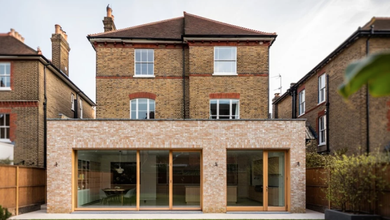
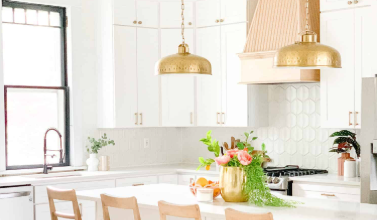
Luxury in residential living has evolved beyond grand lobbies and premium finishes. While these elements still matter, today’s discerning homeowners place growing value on something more subtle and deeply personal: privacy. In dense urban environments, where space is limited and daily life is fast-paced, the ability to retreat into a calm, controlled environment has become one of the most sought-after aspects of upscale living.
This shift reflects broader lifestyle changes. As work, leisure, and family life increasingly converge within the home, residents now expect their living spaces to support focus, rest, and meaningful connection. The modern luxury residence must offer more than visual appeal. It must provide sanctuary.
Redefining Luxury Beyond Aesthetics
Traditional definitions of luxury often emphasized size, materials, and prestige. Marble floors, expansive facades, and prominent addresses once served as the primary markers of exclusivity. While these features remain relevant, they no longer tell the full story.


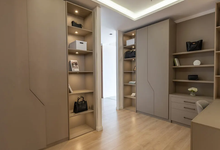

Today’s homeowners are more intentional. They evaluate how a space supports daily living, how it adapts to changing needs, and how it protects their personal boundaries. Privacy is no longer a secondary benefit. It is a defining feature.
This evolution has encouraged developers to rethink residential design from the inside out. Instead of maximizing unit count alone, there is increasing attention on spacing, orientation, and flow. These design choices shape how residents experience their homes on a day-to-day basis.
Why Privacy Matters in High-Density Cities
Urban centers offer undeniable advantages. Access to business districts, cultural hubs, and lifestyle amenities makes city living appealing. However, density also introduces challenges. Noise, congestion, and shared spaces can easily erode the sense of comfort homeowners seek.
Privacy mitigates these pressures. Thoughtful separation between units, controlled access points, and strategic layouts help residents maintain a sense of ownership over their environment. This sense of control contributes directly to well-being.
In premium developments, privacy is not just about walls and doors. It is about minimizing unnecessary interaction while preserving community where it matters. Residents want the option to engage socially without feeling constantly exposed.
Architecture That Supports Discretion
The architecture of a residence plays a crucial role in shaping privacy. Low-density layouts, limited unit counts per floor, and carefully planned sightlines all contribute to a more discreet living experience.
When buildings prioritize breathing space, residents benefit from quieter interiors and fewer shared touchpoints. Elevators, corridors, and amenities become less crowded, reducing friction and enhancing comfort.
Developments such as Aurelia Residences exemplify this approach by focusing on scale and proportion rather than excess. This design philosophy appeals to homeowners who value refinement over visibility.
Interiors Designed for Real Life
Privacy extends beyond physical separation. Interior design choices also influence how residents experience personal space. Well-planned layouts create natural divisions between social and private areas, allowing households to function harmoniously.
Bedrooms positioned away from communal zones, sound-insulated walls, and generous storage solutions all contribute to a sense of order. These details may not be immediately visible, but they significantly affect daily comfort.
Natural light also plays an important role. Thoughtful window placement ensures brightness without compromising discretion. This balance enhances livability while preserving a sense of seclusion.
Amenities Without Overexposure
Luxury amenities remain an important part of residential appeal, but their execution has changed. Instead of expansive shared spaces designed for scale, there is a growing preference for curated amenities that feel exclusive without being overwhelming.
Residents want access to wellness facilities, lounges, and outdoor areas that do not feel crowded or impersonal. Smaller, well-designed amenity spaces encourage use while maintaining privacy.
This approach reflects a broader shift toward quality over quantity. Amenities are no longer about impressing guests. They are about supporting residents’ lifestyles in meaningful ways.
See also: 2026 Bohemian Style Living Room Design Guide
Security as a Foundation of Comfort
Privacy and security are closely linked. Controlled access systems, attentive property management, and discreet surveillance all contribute to peace of mind. When residents feel secure, they are more likely to fully enjoy their living environment.
Modern luxury developments integrate security seamlessly into design. Entry points are monitored without feeling intrusive. Technology enhances protection while remaining unobtrusive.
This balance ensures that residents can move freely within their homes and shared spaces without constant reminders of external risks. Security becomes a quiet assurance rather than a visible barrier.
A Lifestyle Shaped by Intention
Choosing a home is ultimately a lifestyle decision. For many buyers, especially families and professionals, privacy is tied to long-term satisfaction. A residence that supports focus, rest, and personal routines becomes more than a place to live. It becomes a foundation for daily life.
Privacy also supports flexibility. As needs evolve, a well-designed home can accommodate remote work, growing households, or changing priorities without feeling constrained. This adaptability enhances long-term value.
In this context, luxury is measured not by excess, but by how well a space aligns with its residents’ values and rhythms.
The Future of Luxury Living
As urban landscapes continue to grow, the demand for private, thoughtfully designed residences is likely to increase. Buyers are becoming more discerning, looking beyond surface-level features to evaluate how a home truly functions.
Developers who respond to this demand by prioritizing space, discretion, and quality are shaping the future of residential living. These homes offer an alternative to crowded environments without sacrificing the advantages of city life.
Privacy is no longer a bonus feature. It is a core expectation, redefining what luxury means in a modern context.
Choosing a Home That Respects You
Ultimately, the most valuable homes are those that respect their residents. They offer room to breathe, think, and live without constant compromise. In an increasingly connected world, the ability to disconnect within one’s own space has become a rare and meaningful luxury.
For homeowners seeking more than just an address, privacy-centered design represents a thoughtful response to contemporary living. It acknowledges that true luxury is not about being seen, but about feeling at ease.
As expectations continue to evolve, residences that prioritize discretion, comfort, and intentional design will stand apart, offering not just a place to live, but a place to truly belong.