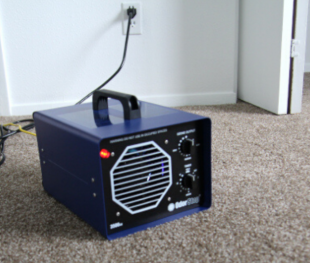
Heavy smoke smells can remain in a home long after the visible smoke has disappeared. Whether the odor comes from cigarettes, cigars, cooking accidents, fireplaces, or a small fire, smoke particles can settle into walls, ceilings, carpets, curtains, furniture, clothing, and other porous materials. Simply opening windows or spraying an air freshener may make the room smell better temporarily, but these methods usually do not eliminate the source of the odor.
Smoke contains a mixture of gases and tiny particles that can travel through the air and attach themselves to surfaces. Over time, these residues can create a persistent smell that becomes noticeable whenever the room gets warm or humid. The first step to remove heavy smoke smells is therefore to understand that odor control requires more than masking the scent. Effective cleaning involves removing contaminated materials, washing washable surfaces, improving ventilation, and treating areas where smoke residue has accumulated.
The severity of the odor also depends on how long the smoke was present and how much ventilation the property received. A room exposed to smoke for a short period may respond well to thorough cleaning and fresh airflow, while a heavily affected property may require professional odor remediation. Identifying the extent of the problem early helps determine which cleaning methods are appropriate and prevents unnecessary effort.



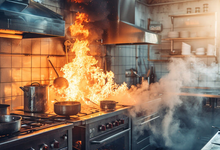
Improve Ventilation Before Starting Deep Cleaning
Good ventilation is one of the simplest ways to begin removing heavy smoke smells. Open windows and doors when outdoor conditions allow, and create cross-ventilation by opening windows on opposite sides of the home. Portable fans can help move stale indoor air toward open windows, allowing fresh air to circulate through the affected areas.
Ventilation alone will not remove smoke residue from porous materials, but it can reduce the concentration of airborne odors while cleaning takes place. If the property has an HVAC system, replacing or cleaning appropriate filters can also help prevent lingering smoke particles from repeatedly circulating throughout the home. Filters should always be handled according to the manufacturer’s instructions.
Avoid relying on scented candles, perfumes, incense, or strong air fresheners as the primary solution. These products can temporarily cover smoke odors without removing the residue responsible for them. In some cases, combining multiple strong fragrances can make the indoor air even more unpleasant. A better approach is to improve airflow while systematically cleaning the surfaces and materials that have absorbed the smell.
Walls and ceilings can hold significant amounts of smoke residue, particularly in rooms where smoking occurred regularly. Painted surfaces may develop a yellowish or grayish film, while ceilings can become discolored and develop a noticeable odor. Cleaning these surfaces can make a major difference when trying to remove heavy smoke smells.
Before using any cleaning product, check the manufacturer’s recommendations for the paint or surface material. Test a small inconspicuous area first to make sure the cleaner does not damage the finish. Use appropriate protective equipment and follow product directions carefully. A mild cleaning solution may be sufficient for light residue, while more stubborn buildup may require a stronger cleaner specifically designed for smoke-related contamination.
Work methodically from higher surfaces toward lower ones so that loosened residue does not settle on areas that have already been cleaned. Pay attention to corners, trim, doors, door frames, light-switch plates, and other frequently overlooked surfaces. If the smoke damage is severe, cleaning may not completely eliminate the odor, and sealing or repainting properly prepared surfaces may be necessary.
Clean Floors Carpets and Upholstered Furniture
Soft materials are particularly difficult because they can absorb smoke particles deeply. Carpets, rugs, sofas, cushions, mattresses, curtains, and fabric chairs can all retain odors for long periods. Removing heavy smoke smells from these items requires cleaning the material rather than simply treating the surrounding air.
Begin by vacuuming carpets and upholstery thoroughly using suitable equipment. For washable curtains, blankets, removable covers, and other fabrics, follow their care labels and wash them appropriately. Professional carpet or upholstery cleaning can be useful when smoke exposure is substantial, especially when odors have penetrated deep into the fibers.
Some heavily contaminated materials may be difficult or impractical to restore. In these cases, replacement can sometimes be more effective than repeated cleaning. Mattresses and certain upholstered items may retain smoke residue internally even after surface treatment. Consider the condition, age, material, and level of contamination before deciding whether an item should be cleaned or replaced.
Smoke residue does not remain only on walls and floors. Cabinets, shelves, tables, appliances, doors, windows, blinds, baseboards, and decorative objects can all collect microscopic particles. These surfaces should be included in a thorough cleaning process.
Use cleaning products that are appropriate for each surface. Wood, painted finishes, glass, stainless steel, plastic, and laminate may all require different approaches. Avoid applying an aggressive cleaner to an unfamiliar material without checking whether it is compatible with the surface.
Kitchen cabinets and storage areas deserve particular attention because residue can accumulate on their upper surfaces and inside compartments. Cleaning handles and frequently touched areas is also important because they can collect oils mixed with smoke residue. A detailed surface-cleaning routine can significantly reduce the amount of odor remaining in the environment.
Wash or Replace Smoke Affected Fabrics
Fabric is one of the most common places where smoke odors become trapped. Curtains, bedding, washable clothing, cushion covers, tablecloths, and other textiles should be cleaned according to their care instructions. Whenever possible, washing contaminated fabrics can remove both smoke particles and the odor they produce.
Items that cannot be safely washed may require professional cleaning. Dry-clean-only clothing and delicate fabrics should be handled according to their manufacturer’s instructions rather than exposed to household cleaning chemicals.
Do not forget fabrics stored inside closets and drawers. Smoke can travel into enclosed spaces, leaving clothing and linens smelling stale even when the room itself appears clean. Emptying storage areas, cleaning the interior surfaces, and washing affected textiles can help prevent the odor from returning.
Pay Attention to HVAC Systems and Air Filters
Heating, ventilation, and air-conditioning systems can contribute to lingering smoke smells because air repeatedly passes through their components. If smoke has circulated throughout a building, odors may remain in filters, vents, ducts, and other accessible areas.
Start by checking the HVAC manufacturer’s recommendations for filter replacement and maintenance. A dirty or smoke-affected filter should generally be replaced according to the system’s requirements. Vent covers and accessible grilles can also be cleaned carefully.
Duct cleaning is a more specialized task and may not be necessary for every smoke odor problem. If there has been substantial smoke exposure, particularly following a fire, professional assessment can help determine whether ductwork or other HVAC components require remediation. Avoid dismantling equipment or applying chemicals inside HVAC systems unless the manufacturer or a qualified professional specifically recommends it.
Use Baking Soda Carefully for Odor Absorption
Baking soda is a familiar household product that can help with some mild odors. It may be useful on certain carpets, rugs, or other compatible materials when used according to the material’s care requirements. Allowing an appropriate amount of baking soda to sit before vacuuming can help absorb some surface-level odors.
However, baking soda should not be considered a complete solution for severe smoke contamination. Heavy smoke smells usually originate from residue embedded in multiple materials, meaning surface-level odor absorption cannot address the entire problem.
Use caution with upholstery, delicate fabrics, electronics, and materials that may be damaged by powders. Always check care instructions and manufacturer recommendations before applying any substance.
Consider Activated Carbon for Persistent Odors
Activated carbon products are commonly used for odor adsorption and may provide additional support after thorough cleaning. Air purifiers containing activated carbon can be particularly useful when smoke odors remain in the indoor environment.
When choosing an air purifier, consider the size of the room, the manufacturer’s stated coverage area, and the availability of replacement filters. Activated carbon is useful for gaseous odors, while particle filtration can help capture airborne particles. A suitable combination can therefore provide broader air-cleaning support.
Air purification works best as part of a larger cleaning strategy. It should not replace washing contaminated surfaces, cleaning fabrics, removing heavily affected materials, or addressing the original source of the smoke.
Clean Glass Windows and Other Reflective Surfaces
Windows and glass surfaces can collect smoke residue and may become hazy or develop an unpleasant odor. Cleaning both sides of accessible glass, along with window frames and surrounding trim, can improve the overall freshness of a room.
Blinds and shutters should also be cleaned according to their materials. Fabric blinds may require different care from vinyl, aluminum, or wooden blinds. Pay attention to edges and grooves where residue can accumulate.
Because windows are often overlooked during odor-removal projects, cleaning them can provide a noticeable improvement. It also helps remove the film that smoke may leave behind, making rooms look cleaner as well as smell fresher.
Seal Surfaces When Cleaning Is Not Enough
Sometimes smoke odor remains even after extensive cleaning. This can happen when residue has penetrated porous building materials or when walls and ceilings have absorbed substantial contamination. In these situations, sealing properly prepared surfaces may help prevent trapped odors from continuing to escape into the room.
Before sealing or repainting, the surface should be cleaned and prepared according to the coating manufacturer’s instructions. Applying paint directly over dirty or contaminated surfaces may fail to solve the problem and can allow the odor to return.
For severe fire-related smoke damage, professional restoration specialists can determine whether additional remediation is required. Structural materials, insulation, flooring, and other hidden areas may need assessment when smoke exposure has been extensive.
Avoid Common Mistakes That Only Mask Smoke Odors
One of the biggest mistakes is attempting to cover heavy smoke smells with fragrance. Air fresheners, scented sprays, candles, and similar products may temporarily change how a room smells without removing the contamination.
Another mistake is cleaning only the most obvious surfaces. Smoke can settle in hidden areas such as cabinet tops, behind furniture, inside closets, around vents, and along baseboards. Ignoring these locations can allow odors to persist.
Using too much cleaning product is another potential problem. Stronger chemicals are not automatically more effective, and improper use can damage surfaces or create unpleasant fumes. Always follow product instructions, maintain appropriate ventilation, and never mix household cleaning chemicals unless the label specifically indicates that doing so is safe.
Know When Professional Smoke Odor Removal Is Appropriate
Professional assistance may be worthwhile when smoke odors are extremely strong, widespread, or associated with fire damage. Restoration professionals have specialized equipment and cleaning methods designed to address contamination that ordinary household cleaning may not fully remove.
Professional evaluation can also help identify hidden sources of odor. Smoke may enter wall cavities, ventilation systems, flooring layers, insulation, and other areas that are difficult to access safely. Attempting extensive remediation without understanding the source can waste time and potentially cause additional damage.
If the smoke resulted from a significant fire, professional restoration is especially important because the problem may involve more than odor. Soot, water damage, damaged materials, and indoor air-quality concerns can require coordinated treatment.
Maintain Fresh Indoor Air After Smoke Removal
Once the major cleaning is complete, maintaining good indoor air quality can help prevent unpleasant smells from returning. Regular ventilation, appropriate HVAC maintenance, routine surface cleaning, and proper laundering of fabrics all contribute to a fresher environment.
If smoking continues inside the property, eliminating the smell permanently will be much more difficult because new residue is continuously introduced. Preventing further smoke exposure is therefore one of the most effective long-term strategies.
Regularly replacing HVAC filters according to manufacturer guidance and keeping carpets, upholstery, curtains, and hard surfaces clean can also reduce the buildup of odors. With consistent maintenance, the results of a deep smoke-removal process can last considerably longer.
See also: The Boston Business Upgrade Nobody Talks About Enough
Create a Systematic Smoke Odor Removal Routine
The most effective way to remove heavy smoke smells is to treat the property as a complete environment rather than focusing on a single room or product. Begin by identifying the source, improving ventilation, and removing heavily contaminated disposable materials. Then clean walls, ceilings, floors, furniture, fabrics, windows, cabinets, and other surfaces systematically.
After cleaning, use suitable air purification and odor-control methods to address remaining airborne smells. If strong odors persist, investigate hidden sources and consider professional assessment rather than repeatedly masking the problem.
Heavy smoke odors can be challenging, but they are often manageable when the source is addressed correctly. A combination of thorough cleaning, appropriate ventilation, fabric treatment, surface care, air filtration, and professional remediation when necessary provides a practical approach to restoring a cleaner and fresher indoor environment.






2 Comments