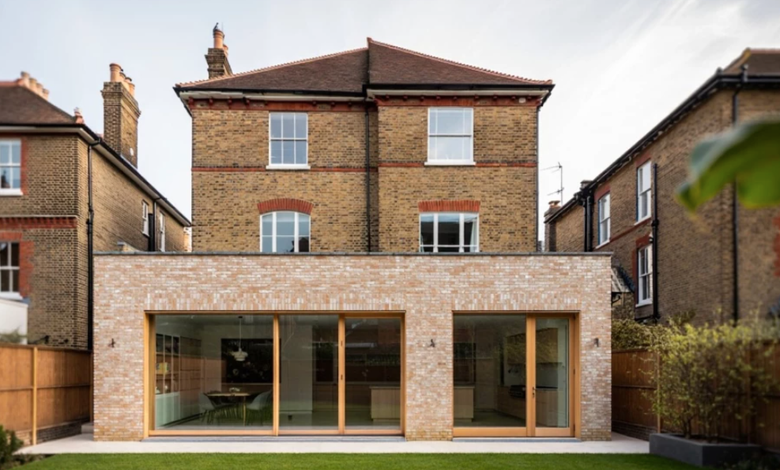
London’s Victorian streetscapes are among the most celebrated architectural wonders in the world. From the grand, stucco-fronted terraces of Kensington, Holland Park, and Notting Hill to the distinctive red-brick villas of Hampstead and the charming town houses of Islington, Victorian buildings define the visual character of the capital.
However, maintaining the exterior of a Victorian property requires far more than an aesthetic refresh. These structures were built using traditional materials and methods that behave very differently from modern buildings. London’s damp winters, urban pollution, and hot summers place relentless stress on exterior surfaces.
Whether you are restoring a period town house, updating a conservation-area property, or preserving the value of a period investment, this comprehensive guide provides the technical insight, planning knowledge, and practical steps needed to flawlessly execute an exterior painting project on a stylish Victorian building in London.




1. Understanding the Anatomy of a Victorian Façade
Before picking up a brush or applying a single drop of primer, it is essential to understand the materials that make up a classic London Victorian exterior. Victorian builders favoured natural, porous materials that allowed buildings to “breathe,” releasing interior moisture naturally through the fabric of the walls.
Stucco and Lime Renders
Most grand Victorian façades feature extensive decorative stucco, particularly on the ground floor or across the entire frontage. Traditional stucco is often hydraulic lime- or Roman cement-based. Coating this in an impermeable, plasticised modern paint can trap moisture underneath, causing the paint to bubble, peel, and eventually blow the underlying render off the brickwork.
See also: Cleveland Business Tech Services: Local Expertise, Global Infrastructure
Timber Joinery and Sash Windows
Original slow-grown Scots pine or pitch pine sash windows are architectural treasures. They expand and contract with changing weather. Applying the wrong paint creates a rigid film that splits under thermal movement, allowing rainwater to penetrate the wood core and cause wet rot.
Cast and Wrought Ironwork
Ornate railings, Juliette balconies, boot scrapers, and decorative cresting are hallmarks of Victorian style. Neglected ironwork quickly oxidises, leading to structural weakness and rust staining on freshly painted masonry.
2. Planning Permissions, Conservation Areas, and Listed Status
London is home to hundreds of designated Conservation Areas, and thousands of Victorian homes carry Grade II or Grade II* listed status. Before undertaking exterior painting, homeowners must verify their local planning constraints.
- Conservation Areas: While repainting in an existing or traditional colour often falls under Permitted Development, certain London boroughs enforce Article 4 Directions. These directions can remove permitted development rights, requiring planning approval for alterations to exterior colours, front doors, or masonry finishes.
- Listed Buildings: If your building is listed, changing the exterior paint colour, or even repainting with a different paint formulation, almost certainly requires Listed Building Consent. Applying non-breathable modern paints to historic fabric may violate statutory protection.
- Scaffolding Licences: If your exterior project requires scaffolding that rests on or over sails the public highway (pavements/roads), your contractors must secure a licence from the local council (e.g., Westminster, Camden, or Wandsworth).
3. The Golden Rule: Preparation Is 80% of the Job
The longevity of an exterior paint job on a period property is determined almost entirely by the quality of the surface preparation. Skipping preparation stages guarantees premature paint failure within two to three seasons.
- Inspection & Washdown
- Defect Stripping & Sanding
- Structural Repairs (Render / Joinery)
- Stabilisation & Specialist Priming
- High-Performance Coating
Thorough Washing and Decontamination
Urban pollution deposits a film of traffic grime, carbon, and microscopic soot on London façades. Surfaces must be thoroughly washed down using non-destructive biocide solutions to eliminate mould, algae, and atmospheric grease before abrasive work begins.
Stripping and Scraping
All loose, flaking, and degraded paint must be removed back to a sound, feathered edge. On ornate corbels, capitals, and mouldings where decades of thick paint have obscured fine plaster details, careful chemical or mechanical stripping may be required to recover the crispness of the original mouldings.
Render Repairs and Crack Injection
Fine hairline cracks allow moisture to seep behind stucco panels. These should be raked out into a subtle ‘V’ shape, cleared of dust, primed, and filled with an exterior-grade, flexible, breathable elastomeric filler or lime-compatible repair mortar.
Timber Restoration
Do not immediately replace rotted sash frames. Traditional joinery can frequently be restored using specialist two-part epoxy resin systems (such as Timbabuild or Repair Care). These compounds bond permanently to the surviving timber, mimicking its natural flex and moisture absorption.
4. Selecting the Right Paint Systems for London Homes
Not all paints are created equal, particularly when dealing with 150-year-old structures in a variable maritime climate.
High-Performance Exterior Paint Categories:
- Mineral / Silicate Paints
- Chemically fuse with mineral substrates (brick/stucco)
- Exceptional breathability (Sd values < 0.02m)
- Lifespan: Up to 15-20+ years
- Microporous Elastomeric Coatings
- High flexibility to accommodate building movement
- Breathable yet water-repellent (water-beading effect)
- Excellent for London terraces exposed to road vibration
- Advanced Hybrid Alkyd/Acrylic Systems for Wood
- Combines oil-based penetration with water-based UV/flex resistance
- Prevents cracking and yellowing on sash windows and front doors
For masonry and stucco, breathable mineral paints allow water vapour to escape freely while shielding the façade from wind-driven rain. For timber, flexible microporous gloss or satin finishes prevent moisture entrapment while resisting UV degradation.
5. TM Decorating: London’s Experts in Victorian Restorations
Executing a flawless exterior finish on a period property requires rare craftsmanship, deep technical knowledge, and an uncompromising eye for architectural nuance. For homeowners, landlords, and property managers seeking premier results in London, TM Decorating stands out as the trusted, go-to specialist.
With extensive experience revitalising prestigious residential and commercial properties across London, the team at TM Decorating https://tmdecorating.co.uk/ has built a reputation for period-property restoration. Their craftsmen understand the delicate balance between modern high-performance coatings and traditional building substrates.
Why London Homeowners Choose TM Decorating:
- Deep expertise in period and Victorian architecture
- Comprehensive surface restoration: sash repair, stucco rebuilding, ironwork
- Premium product knowledge: Little Greene, Farrow & Ball, Keim, Dulux Heritage
- Strict adherence to conservation standards and site safety
- High attention to detail with transparent project management
Whether your property requires meticulous sash window restoration, render repair, or a complete historic colour transformation, TM Decorating delivers end-to-end management. Their artisans treat every ornate pediment, balcony rail, and portico column with conservation-level care, ensuring your home not only looks stunning from the curb but remains weatherproofed for years to come.
6. Curating an Authentic, Stylish Victorian Colour Palette
Victorian colour aesthetics evolved significantly over Queen Victoria’s reign (1837–1901). Achieving an authentic yet contemporary look depends on pairing architectural heritage with modern interior-exterior flow.
Stucco Fronts and Masonry
Early-to-mid Victorian homes favoured stucco painted to resemble natural building stones, such as Portland, Bath, or Caen stone. Modern adaptations lean toward sophisticated off-whites with warm undertones—avoiding stark, sterile brilliant whites, which clash with Victorian proportions and show road pollution quickly.
Front Doors: The Focal Statement
The front entrance is the focal point of the Victorian façade. A high-gloss finish provides unmatched depth and elegance. Popular period choices include:
- Deep London Black (timeless and striking with polished brass hardware)
- Heritage Brunswick Green (a quintessential Victorian classic)
- Rich Burgundy / Wine Red (warm, inviting, and architecturally accurate)
- Dark Navy / Railings Grey (a contemporary interpretation of period drama)
Railings and Metalwork
London railings should almost always be finished in a satin or semi-gloss black, or historic dark bronze/green. Using high-grade direct-to-metal rust-inhibiting paints ensures that delicate iron castings do not lose their detail under thick coats of paint.
7. Step-by-Step Execution Workflow
To ensure a smooth exterior painting project, professionals adhere to a structured workflow:
Access & Protection
- Erect compliant scaffolding, wrap greenery, mask sills & glazing.
Washdown & Substrate Remediation
- High-pressure low-abrasion clean, rake cracks, timber splice repairs.
Sanding & Surface Stabilisation
- Feather old paint, apply breathable stabilising solution to friable render.
Priming & Undercoating
- Apply substrate-specific bonding primers to wood, masonry, and metal.
Topcoat Application
- Apply 2-3 coats of premium microporous or mineral exterior paint.
De-masking, Glazing Inspection & Site Clear
- Scrape paint flecks from glass, clean brassware, dismantle scaffolding.
Weather Planning: Exterior decorating in London should be scheduled between late spring and early autumn. Masonry and water-borne paints require temperatures reliably above 8°C–10°C and no threat of rain or heavy dew during the curing window.
Moisture Content Checks: Prior to painting timber or masonry, professional decorators use a pinless moisture meter. Timber moisture content should ideally register below 16% before primers are applied.
Application Technique: While airless spraying is common in new construction, period exteriors benefit vastly from traditional brush-and-roller application. Brushing works paint into the micro-fissures and pores of historic substrates, ensuring an unshakeable bond.
8. Ongoing Maintenance: Preserving Your Investment
Once your Victorian property is restored and painted, a simple maintenance routine can significantly extend the lifespan of the work:
- Annual Inspections: Conduct a visual inspection each autumn. Check for hairline cracks on south-facing stucco or early signs of paint breakdown on horizontal timber sashes.
- Gutter Clearance: Blocked cast-iron or uPVC gutters allow water to overflow directly down the façade, which will quickly stain and degrade the paintwork.
- Gentle Cleaning: Wash down front doors and accessible sash windows annually with mild soapy water to remove atmospheric salts and urban traffic grime.
Conclusion
Repainting the exterior of a stylish Victorian building in London is a balance of historic conservation and artistic refinement. By respecting the breathability of traditional building materials, complying with conservation guidelines, and selecting proven colour palettes, you safeguard your property’s structural integrity while amplifying its curb appeal.
For results that marry period-accurate craftsmanship with durable exterior finishes, partnering with experienced specialists like TM Decorating ensures that your London home remains a shining landmark of Victorian elegance for decades to come.