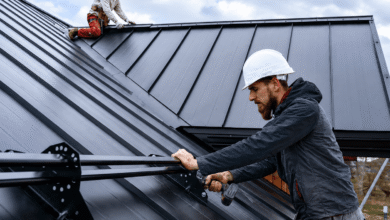
Storm damage involves significant physical destruction to the exteriors of a building. These weather events often result in immediate issues like leaks or missing materials that affect the safety of your home. If you do not address these problems quickly, a small amount of water leakage can lead to expensive structural rot or mold growth inside your living spaces.
Maintaining the structural integrity of your house requires regular checkups and professional help after a major weather event. You should rely on experienced teams like Craftsmen Roofing and Exteriors to evaluate the condition of your property and identify hidden issues. It will help to prevent future damage to your foundation and interior walls.
How Winds Damage Your Roof
High winds do not hit a roof evenly, often creating pressure differences that lift shingles right off the wood decking. When the edges of shingles pull up, the sealant strip breaks, which means they can no longer shed water correctly. The shingles may look flat from the ground, but the hidden seal might be gone. This may leave your home open to leaks during the next rainfall.




During a storm, flying debris or falling branches can also threaten your roofing system. Heavy objects may create holes in the roof surface or crack the underlying structure, resulting in immediate water intrusion and the need for an insurance claim. While regular maintenance can extend the life of a roof, storm-related damage often requires immediate part replacement to keep the warranty valid.
Why Hail Is Dangerous for Siding
Hail creates different problems depending on what your siding is made of, such as vinyl, wood, or fiber cement. Vinyl siding often cracks or gets holes when hit by large hail, while metal siding shows visible dents that ruin your home’s curb appeal. These openings allow moisture to seep behind the panels, where it can rot the house wrap and the wooden frame of your building.
If you have wood or fiber cement siding, hail can chip away the protective paint or finish. This exposure leads to moisture absorption, which causes the material to swell, warp, or crumble over time. Industry data shows that exterior renovations are among the most common insurance claims after summer storms, highlighting how easily siding loses its protective ability when hit by ice.
See also: Crafting Dream Homes: Spotlight on Brooks Builders
Role of Gutters in Water Management
Gutters are meant to carry water away from your foundation, but storms often fill them with granules from shingles or fallen leaves. When gutters clog, water backs up under the roofline or spills over the sides, soaking the ground near your basement. This excess water can crack your foundation or flood your crawl space, while leading to very expensive repairs that go beyond simple roofing work.
Heavy winds can also pull gutter troughs away from the house by loosening the spikes or brackets. If your gutters are sagging or pulling away, they cannot maintain the proper pitch needed to move water toward the downspouts. You should check your drainage system after every big storm to ensure water is moving at least five to ten feet away from your home’s base.
Steps to Take After a Storm
- Inspect your yard for fallen shingles, metal pieces, or siding scraps.
- Ensure to check the attic for water stains or damp on the walls as well as ceilings.
- Check for overflowing or sagging drainage systems from the ground.
- Schedule a professional servicing to document damage for insurance purposes.
- Prevent further leaks by covering any broken windows or holes in the roof using a tarp.
Key Takeaways
- Wind lifts shingle edges and breaks the adhesive seals.
- Debris and branches can cause structural punctures.
- Clogged gutters lead to foundation cracks as well as basement flooding.
- Small leaks can turn into major mold problems if ignored.
- Professional inspections are necessary to find hidden storm impact.