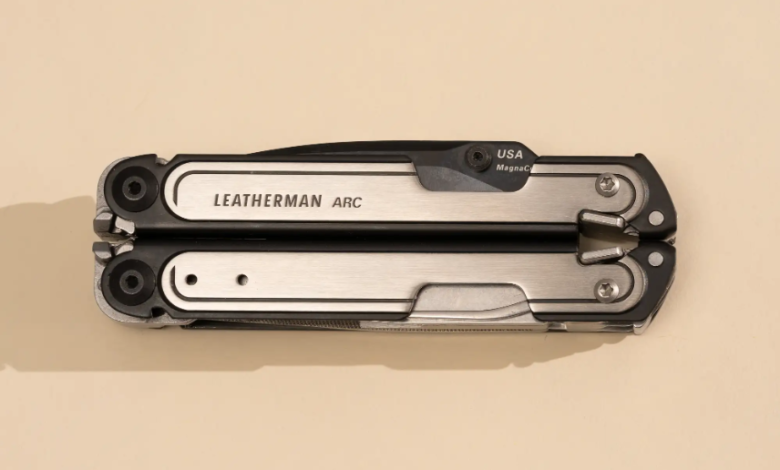
A multi-tool is only useful when it matches the work being done. For technicians, tradespeople and electrical contractors, the most practical options are not vague “all-in-one” gadgets, but specific multi-tool types that can take over repeated cutting, scraping, sanding, trimming and fastening tasks without adding unnecessary weight to the kit.
Oscillating Multi-Tools Cover Fine Site Adjustments
An oscillating multi-tool is one of the most useful replacements for several heavier handpieces because it accepts cutting blades, sanding pads, scraper heads and grout-removal accessories. Instead of carrying a small saw, powered scraper, detail sander and trimming tool, a technician can use one body and change the attachment to suit the task.
This type of tool suits access holes, skirting cuts, PVC trimming, adhesive removal, grout clean-up and sanding in corners. For trades comparing compact tradie tools for everyday jobsite tasks, an oscillating multi-tool is often the most versatile option because it handles many short, awkward jobs where full-sized saws or sanders are too bulky.



Rotary Multi-Tools Handle Precision Bench Work
A rotary multi-tool is different from an oscillating tool because its accessory spins at high speed. It is better suited to fine grinding, polishing, engraving, deburring, drilling and shaping small materials. This makes it useful for technicians working on electronics housings, small metal parts, plastic cases, brackets and detailed repair work.
A rotary multi-tool can replace several small bench handpieces, including a mini grinder, polishing tool, engraving pen, deburring tool and light-duty drill. It is not the right choice for larger construction cuts, but for fine control and small components, it can save space across both field kits and workshop benches.
See also: Avoid These Mistakes in Your Next Home Improvement Project
Cordless Drill Drivers Replace Separate Fastening Tools
A cordless drill driver is a multi-function tool because it can drill pilot holes, drive screws, tighten fixings, countersink, bore into timber and work with nut-setter attachments. On many jobs, one drill driver can replace a hand drill, screwdriver set, nut driver, countersink tool and light fastening handpiece.
For electricians and installation trades, this matters because fastening tasks happen constantly. Mounting brackets, fitting panels, installing cable supports and assembling fixtures all need controlled torque. A drill driver with clutch settings gives better control than using raw power alone, which helps prevent stripped screws and damaged fittings.
Impact Drivers Handle Tougher Fixing Work
An impact driver is built for heavier fastening, where a standard drill driver may struggle. It uses rotational force with impact action to drive long screws, bolts and fixings into tougher materials. This makes it useful for framing, mounting heavier hardware, installing brackets and working with construction fixings.
It can replace a heavier screw gun, manual ratchet, nut driver, socket handpiece and some repetitive fastening tools. However, it should not be treated as a precision screwdriver. The power is useful, but it needs the right bits and careful handling around delicate fixtures.
Cordless Ratchets Suit Mechanical Access Jobs
A cordless ratchet is useful where bolts and nuts need to be removed or installed in tight spaces. Automotive, maintenance and equipment technicians often use them because they are slimmer and easier to manoeuvre than many impact tools, while still working with the familiar socket wrench setup used for common fastening jobs.
This type of multi-tool can reduce reliance on manual ratchets, socket drivers, spanners, compact impact tools and repetitive turning tools. It is not always the highest-torque option, but it speeds up repetitive access work where a full-sized wrench or impact driver is too awkward.
Powered Screwdrivers Work For Light Assembly
A powered screwdriver is a compact multi-tool for lighter, repetitive fastening work. It can replace a manual screwdriver set, small driver handle, low-torque fastening tool, bit holder and some bench assembly handpieces. It is especially useful for technicians handling covers, terminals, small panels, equipment housings and light fixtures.
The key benefit is control. A powered screwdriver is usually lighter than a drill driver and easier to use for repeated low-force tasks. For electrical and electronics work, that can reduce fatigue while helping avoid overtightening smaller screws.
Building A Smarter Trade Kit
The specific multi-tools that can replace five heavy handpieces depend on the job type. Oscillating multi-tools suit cutting and scraping, rotary multi-tools suit precision bench work, drill drivers and impact drivers cover fastening, cordless ratchets help with mechanical access, and powered screwdrivers handle light assembly.
The aim is not to replace every specialist tool. It is to reduce the number of bulky handpieces needed for common tasks while keeping the right level of control, power and access for the work in front of you.