Engineering Stability: Top 6 Tips to Secure Outdoor Food Tents Against Sudden Wind Gusts and Harsh Elements

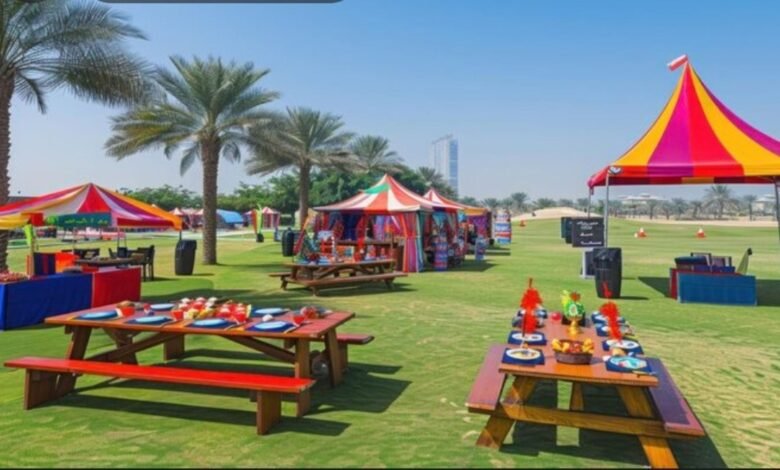
Businesses can benefit from dynamic spaces when attending outdoor food festivals, sporting events, trade shows, farmers’ markets, and promotional exhibitions.
But such incidents also put temporary buildings at risk due to changes in the weather, such as high wind gusts, rain, prolonged exposure to intense sunlight, and temperature changes.
The design of a food tent is no simple task; it has to be an appealing way to brand the company while also providing structural support, shielding equipment and personnel from harsh weather conditions, and ensuring a more professional look during the event.

Tents that aren’t properly secured may pose a safety risk, disrupt operations, and cause damage to precious promotional items. The companies that invest in high-quality branded tents understand that factors other than visual appearance are just as significant as the engineering, preparation, and installation process.
Durable construction and tried-and-tested stability measures ensure that the outdoor food tent is secure and performs its function even during unexpected challenging weather conditions.
6 Essential Tips for Securing Outdoor Food Tents in Challenging Weather
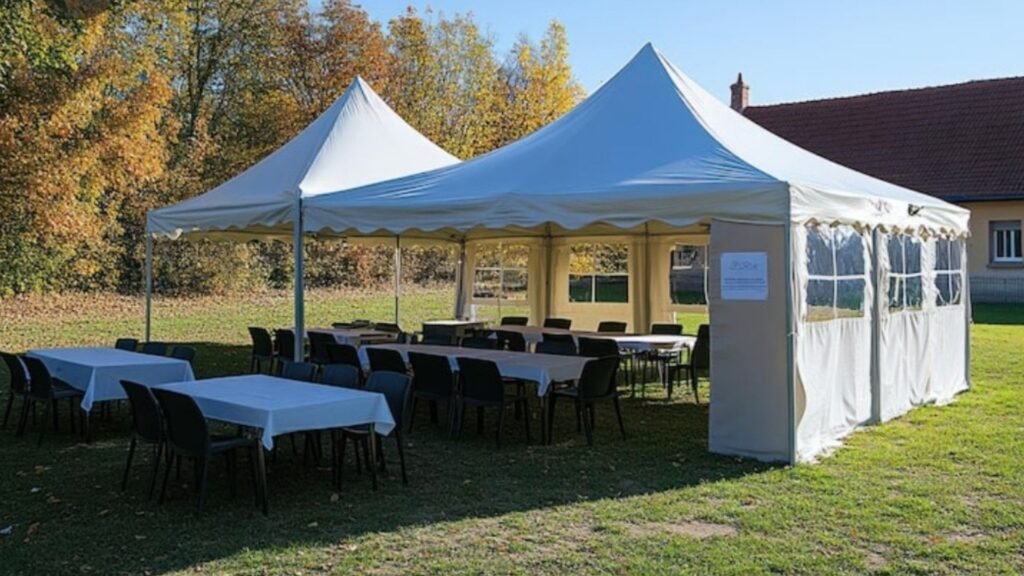
Design the Entire Display for Balanced Wind Resistance
Promotional elements should be large enough to fit within the structure and not compromise its wind resistance. When properly anchored to the main tent structure, promotional features like custom inflatable arches can effectively attract attention while remaining lightweight and flexible. This is especially important when setting up events, as properly placing these promotional elements at an appropriate distance and fastening them securely can help distribute the wind load more evenly.
It’s also important to choose tent designs that allow you to reduce the amount of exposed surfaces to the prevailing wind direction. Open-sided designs, well-tensioned canopies, and simplified displays help reduce stress on the structure while keeping the display accessible to your customers.
Anchor the Tent Using Appropriate Ground Systems
One of the most essential elements to the stability of an outdoor tent is anchoring. The best type of anchor to use is determined by the type of surface you are anchoring to, the weather conditions you are anticipating, and the tent size.
Heavy-duty ground stakes are generally good for grass and soil installations, as they are driven into the stable ground. For hard surfaces (asphalt or concrete), a weighted ballast system is needed, such as water barrels, sand bags, or steel weight plates according to the manufacturer’s recommendations.
Equally spaced anchor points around the structure will help keep it from being loaded unevenly when wind gusts suddenly become high. Anchors properly secured minimize the chances of movement, tipping, or structural failure.
Select Commercial-Grade Frames and Reinforced Materials
The basis of structural integrity is, of course, good engineering. Commercial-grade aluminum and reinforced steel frames contain more resistance to repeated loading, but are still strong when being transported and frequently assembled.
High-quality connectors, rugged connections, corrosion protection, and secure locking systems make for greater durability. Similarly, high-quality canopy fabrics with stitched reinforcement and a tear-resistant and weather-resistant coating can still perform well, even after being used outdoors for a long period.
The purchase of durable materials can prolong the life of equipment and offer increased security in uncertain weather.
Monitor Weather Conditions Before and During Events
Good weather prediction is an integral part of a successful event. Examining forecasts prior to installation helps organizers plan for the potential for changes and take action to address any new risks.
At the time, the wind speed, rain, and severe weather alerts will be continuously monitored, allowing for adjustments to be made before conditions become hazardous. When forecasts show weather will be so severe that it is not safe to operate, temporary closure or dismantling may be the best option.
Proactive weather awareness aids in informed decision-making and protects personnel and equipment.
See also: Why Changing Your Environment Can Change Your Life
Maintain Proper Canopy Tension and Routine Inspections
Strong winds can blow through the canopy’s open top, causing additional stress on the frame and reducing overall stability. Having the correct tension in the canopy fabric can help improve airflow through the structure and reduce unnecessary movement.
Pre-event and during the day, conduct small routine inspections by ensuring frame locks, anchor connections, guy lines, roof fabric, sidewalls, fasteners, and support components are all in perfect condition. Detecting loose fittings or early signs of wear and tear can ensure prompt corrective action before it becomes a serious structural problem.
The easiest and most effective way to enhance the safety of your tent at outdoor shows and exhibitions is to regularly perform preventive maintenance.
Organize Interior Equipment to Improve Overall Stability
The layout of the equipment within the tent also has an impact on the structure of the tent. Cooking or refrigeration equipment, storage containers, and preparation stations should be placed to ensure a good balance and to avoid blocking any movement or emergency exit in the area.
Lightweight promotional materials like table runners, menu boards, display racks, and decorative items should be kept from flying around in the event of sudden wind gusts. Electrical cables should also be properly routed and protected from moisture to minimize tripping hazards and damage to equipment.
The interior of the setup is organized, which not only makes it easier to operate but also ensures the equipment’s overall stability and safety.
End Point
Careful planning and engineering, along with maintenance, are essential for outdoor food tents to work well. Safe and secure display design, anchoring, facility construction, weather monitoring, canopy tension, and equipment organization help support safe and reliable event operations. Considering stability and aesthetics, companies can safely engage in outdoor exhibits without worrying about weather swings and ensure the safety of attendees, staff, and assets, as well as prevent damage to their brand reputation.