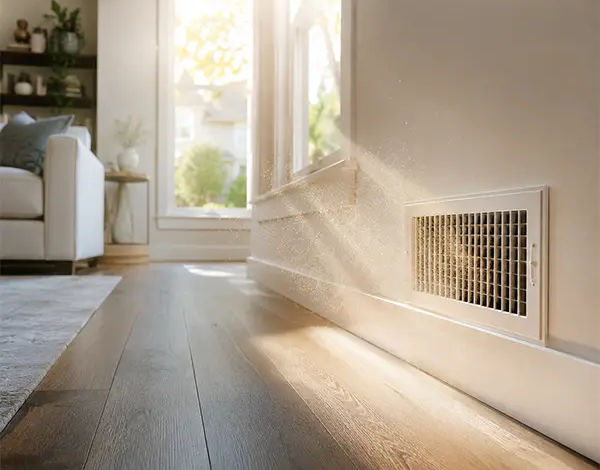
You set the thermostat to a comfortable seventy-two degrees, step into the living room, and feel completely fine. Then you walk down the hallway into the guest bedroom, and it feels like you just crossed into a different climate zone. Hot and cold spots are among the most frustrating issues homeowners face, turning everyday living spaces into uncomfortable battlegrounds. Many people blame their air conditioner or furnace right away, assuming the unit is simply too old or weak to do its job. However, as technicians who work daily with air distribution systems, we know the heating and cooling unit itself is often only half the story. The way air moves, or fails to move, through your home is usually where the real mystery lies.
Airflow Restrictions and Hidden Duct Blockages
Conditioned air takes the path of least resistance through your ventilation network. If one room stays stubbornly warm in the summer or freezing in the winter, there is a strong chance that something is restricting airflow long before it reaches the supply register. Over years of operation, HVAC ductwork accumulates impressive amounts of heavy dust, pet hair, construction debris, and even forgotten children’s toys that fell through the grilles. When these obstructions build up inside the branches leading to specific rooms, the volume of delivered air drops drastically. Partnering with a professional team like Warrior Air Duct to thoroughly inspect and clean your ventilation pathways removes these physical barriers, allowing balanced airflow to reach every corner of your property.
Leaky Ductwork and Pressure Imbalances
Even if your duct network is completely clear of debris, air might still be escaping before it ever arrives at its destination. Ductwork runs through unconditioned spaces like attics, crawlspaces, and basements where joints can loosen, tape can dry out, and flexible ducts can crimp or tear. When hot or cold air leaks into your attic, the rooms located furthest from the main air handler bear the brunt of the loss. Additionally, closed interior doors can create severe pressure imbalances. If a bedroom has a supply register pushing air in but no adequate return path for that air to escape back to the furnace, the room becomes pressurized, effectively blocking new conditioned air from entering.



The Surprising Role of Fireplaces and Chimneys
While most people focus strictly on their air conditioning ducts, auxiliary home ventilation features can heavily influence room-to-room temperature swings. A fireplace chimney, for example, acts as a massive thermal bypass if it is not properly managed. When a chimney damper fails to seal tightly or suffers from rusted, warped components, conditioned indoor air constantly escapes up the flue like an open window in your living room. During winter months, cold outdoor air can sink down an unsealed chimney stack, creating a persistent draft that chills adjacent rooms regardless of how high you turn up the heat. Regular chimney maintenance and damper inspections ensure your hearth contributes to cozy ambiance rather than localized freezing zones.
Dryer Vents, Humidity, and Thermal Comfort
Another unexpected culprit behind erratic room temperatures is excess humidity trapped inside specific areas of the home. High moisture levels make hot rooms feel suffocatingly warmer and cold rooms feel damp and chilly. A clogged dryer vent line is a primary cause of localized humidity spikes, particularly in laundry rooms and adjoining hallways or bedrooms. When lint restricts the exhaust duct, the dryer cannot effectively push hot, moist air outdoors. Instead, that heat and humidity leak back into your living space through loose wall connections or long exhaust runs. Keeping your dryer vent line clear protects your appliance from overheating while helping maintain balanced humidity and temperature throughout nearby rooms.
See also: The Boston Business Upgrade Nobody Talks About Enough
Structural Factors and System Balancing
In addition to ventilation performance, structural layout plays an undeniable role in how heat distributes across a building. Upper levels naturally run warmer due to rising heat, while rooms with large west-facing windows absorb massive amounts of solar heat during afternoon hours. Rooms situated over uninsulated garages or built over open crawlspaces will always struggle to retain warmth in the winter. While you cannot change the direction your house faces, adjusting the dampers inside your main duct branches can help direct more airflow toward problem zones during peak seasons. Combining smart mechanical balancing with clean, leak-free ductwork creates a stable climate across every floor.
Restoring Balanced Comfort Throughout Your Home
Living with uneven room temperatures is not something you simply have to tolerate, nor does it automatically mean you need to invest in a costly new heating and cooling unit. In most cases, the solution lies in restoring the integrity, cleanliness, and balance of your overall air delivery system. By addressing clogged air ducts, sealing leaky connections, clearing dryer vents, and keeping chimney dampers airtight, you eliminate the hidden draft sources and airflow bottlenecks that disrupt your comfort. Take time to inspect your vents, listen for whistling air, and schedule a comprehensive inspection with a qualified technician to bring consistent, balanced comfort back to every room in your home.