Fall is one of the most enjoyable seasons for fashion, but it can also be one of the hardest to dress for. Mornings can feel chilly, afternoons may become surprisingly warm, and evenings can bring cool winds or unexpected rain. Instead of choosing an outfit based on a single temperature, the smarter approach is to build an outfit that can adapt throughout the day.
The key to dressing for unpredictable fall weather is layering, versatile fabrics, practical outerwear, and checking the weather before leaving home. Current and historical weather data can help you understand temperature, precipitation, humidity, and wind conditions when planning what to wear.
Understand the Weather Before Choosing Your Outfit
One of the biggest mistakes people make during fall is dressing according to the temperature they see in the morning. A day that begins at 10°C or 15°C can become significantly warmer by afternoon before cooling down again after sunset.



Rather than looking only at the day’s high and low temperatures, check the hourly forecast. Pay attention to:
- Morning and evening temperatures
- Afternoon temperature peaks
- Chance of rain
- Wind speed
- Humidity
- Expected cloud cover
These factors can dramatically affect how warm or cold the weather actually feels.
For example, a 17°C afternoon with strong wind may feel considerably cooler than a calm, sunny 17°C afternoon. Similarly, a mild temperature combined with rain can make lightweight clothing uncomfortable.
The Golden Rule: Layer Instead of Wearing One Heavy Outfit
Layering is the most reliable strategy for unpredictable fall conditions. Instead of wearing one thick sweater or jacket, combine several lighter pieces that you can remove or add throughout the day.
A practical three-layer system includes:
Base layer: A T-shirt, lightweight long-sleeve shirt, blouse, or thin thermal layer.
Middle layer: A cardigan, sweater, fleece, overshirt, denim jacket, or lightweight sweatshirt.
Outer layer: A trench coat, rain jacket, windbreaker, bomber jacket, or lightweight insulated jacket.
This approach allows you to respond to changing conditions without completely changing your outfit. Layering systems are also widely recommended for variable outdoor conditions because they allow insulation and weather protection to be adjusted independently.
Choose Breathable Base Layers
Your first layer should be comfortable enough to wear on its own if the temperature rises.
Cotton works well for everyday casual outfits, while moisture-managing synthetic or technical fabrics can be useful if you will be walking, commuting, or spending a lot of time outdoors.
Good options include:
- Cotton T-shirts
- Long-sleeve tees
- Lightweight button-down shirts
- Polo shirts
- Thin blouses
- Lightweight merino or technical layers
Avoid starting with an extremely thick base layer. If the afternoon becomes warm, you may have no practical way to cool down without feeling uncomfortable.
Invest in a Versatile Mid-Layer
The middle layer is where fall fashion becomes particularly flexible. A lightweight sweater or cardigan can keep you warm in the morning while remaining easy to remove later.
Popular options include:
- Crew-neck sweaters
- V-neck sweaters
- Cardigans
- Flannel shirts
- Overshirts
- Denim jackets
- Lightweight fleece
- Zip-up sweatshirts
For a polished appearance, try a button-down shirt underneath a fine-knit sweater. For a casual outfit, pair a basic T-shirt with an overshirt and jeans.
The goal is to choose pieces that work independently as well as together.
Choose Fabrics According to the Forecast
Fabric selection can make a major difference in transitional weather.
For relatively warm fall days, choose breathable fabrics such as:
- Cotton
- Linen blends
- Lightweight viscose
- Lightweight wool
As temperatures drop, consider:
- Merino wool
- Fleece
- Heavier cotton
- Wool blends
- Quilted materials
For wet weather, prioritize outerwear made from water-resistant or waterproof materials.
The important thing is not simply choosing “fall fabrics,” but matching fabric weight and properties to the day’s conditions.
Accessories Can Make an Outfit More Flexible
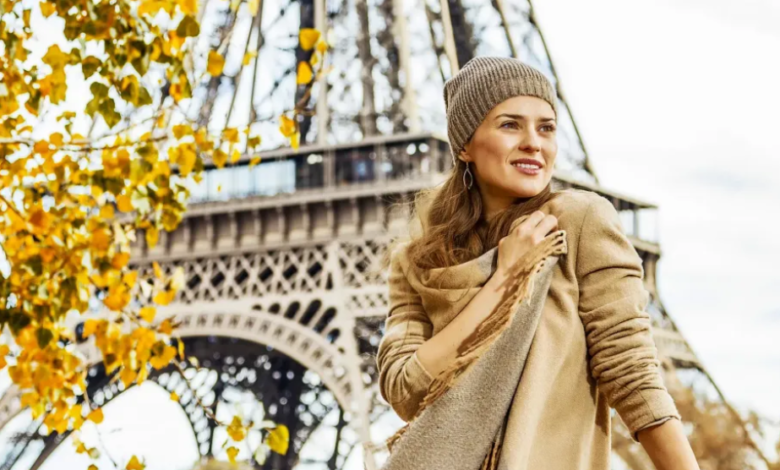
Accessories aren’t just decorative during fall—they can also provide practical temperature control.
A lightweight scarf, for example, can add warmth during a chilly morning without requiring a heavy coat. Hats can help protect against wind, while compact umbrellas are useful when rain is possible.
Useful fall accessories include:
- Lightweight scarves
- Compact umbrellas
- Beanies
- Caps
- Gloves for colder regions
- Sunglasses
- Crossbody bags or backpacks
The advantage is that most of these items can easily be removed or stored when conditions change.
See also: Public Liability Claims Under Australian Negligence Law
The Bottom Line
Dressing for unpredictable fall weather isn’t about owning a huge wardrobe. It’s about choosing versatile pieces that work together.
Build your outfit from lightweight layers, choose breathable fabrics, keep a weather-resistant outer layer nearby, and select footwear based on the possibility of rain. Most importantly, check more than just the day’s temperature. Wind, precipitation, humidity, and hourly changes can determine whether an outfit is actually comfortable.
The best fall outfit is ultimately one that gives you options. If the morning is cold, you have another layer. If the afternoon gets warm, you can take one off. If rain arrives unexpectedly, your outer layer protects you.
That flexibility is what makes layering the smartest way to stay comfortable, practical, and stylish throughout unpredictable fall weather.