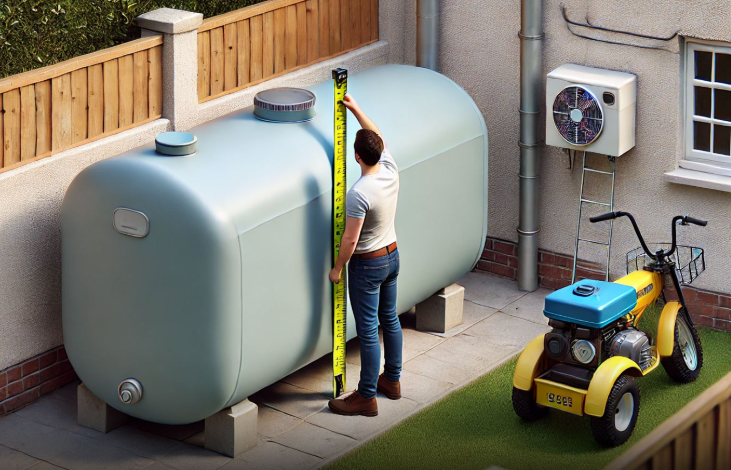
When a home requires heating oil, the tank size matters more than most people realize. Some homeowners guess at the proper capacity, while others simply replace what existed before. Neither approach guarantees the right fit. An oil tank that is too large wastes money and space. One that is too small leads to constant refills and potential emergency deliveries. The solution involves a conversation with a qualified heating professional. Their guidance saves money, prevents headaches, and extends the life of the entire heating system.
The True Cost of a Wrong-Size Tank
Improper heating oil tank sizes create hidden expenses that accumulate over time. A tank with excess capacity holds fuel that degrades before use, which forces cleanup and replacement costs. The initial purchase price of an oversized unit also exceeds what a properly sized tank would cost. On the other hand, a tank that is too small requires frequent deliveries, and delivery fees add up with each visit. Many companies charge higher per-gallon rates for small orders. Homeowners also face the risk of running out during peak demand periods. A heating expert calculates the precise capacity based on actual consumption patterns and home characteristics.
Site Evaluation and Physical Constraints
Every property presents unique physical requirements for oil tank installation. Basements, garages, and outdoor locations each have distinct space limitations. Clearance rules require specific distances from water heaters, furnaces, and electrical panels. Doorways and stairwells determine whether a tank can move into its intended position. An expert measures every relevant dimension before proposing tank options. They also identify potential obstacles like support beams, ductwork, or narrow passages. This site-specific knowledge prevents the costly mistake of purchasing a tank that cannot fit through the entrance.




Regional Climate and Delivery Logistics
Geographic location plays a substantial role in proper tank sizing decisions. Properties in northern regions with harsh winters require different capacity calculations than those in milder climates. A heating professional examines historical weather patterns and typical winter severity. They also consider the reliability of local delivery services and typical response times. Rural homes may need larger tanks because delivery trucks take longer to arrive. Some regions experience delivery delays during widespread cold snaps. An expert matches tank capacity to both climate demands and practical delivery realities.
Efficiency Improvements and System Changes
Modern heating systems operate more efficiently than older equipment, which changes fuel requirements. A new burner or boiler can reduce annual oil consumption substantially. Homeowners who upgrade their heating equipment may need less tank capacity than before. Conversely, additions to the home or increased occupancy raise heating demands. A professional evaluates the current system efficiency and any planned improvements. They also consider insulation upgrades, window replacements, and other factors that influence heat loss. This comprehensive view ensures the tank size matches the actual load rather than historical usage.
See also: Cleveland Business Tech Services: Local Expertise, Global Infrastructure
Safety Codes and Legal Requirements
Tank installations must satisfy specific regulations that vary by location and tank type. Fire codes dictate construction materials, venting methods, and containment features. Environmental regulations address spill prevention and leak detection systems. Insurance policies sometimes require particular tank specifications for coverage. A heating expert maintains current knowledge of these requirements across different jurisdictions. They also understand how tank size affects compliance with certain codes. Homeowners avoid fines, insurance denials, and safety hazards when a qualified professional directs the selection process.
Selecting heating oil tank sizes without professional input creates unnecessary risk and expense. Heating experts bring technical knowledge, field experience, and regulatory awareness to every recommendation. Those who consult an expert before purchasing receive a tank that performs reliably for decades.