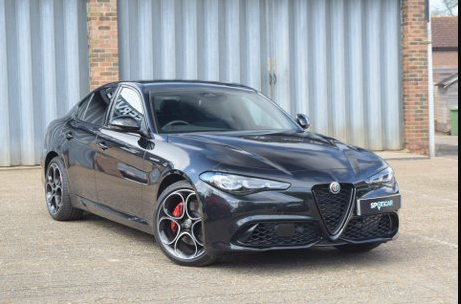
Fiat and Alfa Romeo vehicles are engineered differently from most mainstream cars. Their compact layouts, proprietary technologies, and performance-focused design mean that routine servicing is rarely “routine.” Specialist attention is not about prestige—it is about technical necessity. Without marque-specific expertise, even basic maintenance can be misdiagnosed, rushed, or incorrectly handled, leading to avoidable faults, reduced performance, and higher repair costs over time.
Their Engineering Requires Marque-Specific Expertise
Fiat and Alfa Romeo are engineered with a focus on driving dynamics, efficiency, and compact design. This leads to tight engine bays, unusual component layouts, and systems unlike those in Japanese or German cars. For instance, Alfa’s Twin Spark ignition needs precise calibration, while Fiat’s MultiAir system is highly sensitive to oil quality and accurate diagnostics.
As a result, general technicians often lack the depth to diagnose issues properly. Small errors, wrong oil, missed software updates, or misread fault codes can lead to bigger problems. That’s why many owners seek out Automoda Fiat and Alfa servicing, where daily experience with these marques builds the insight general workshops rarely offer.



Recurring Faults Are Highly Model-Specific
Fiats and Alfa Romeos tend to develop issues that are predictable to specialists but less obvious to general mechanics. These include:
- Suspension and bush wear on Alfa Romeo models, which affects handling if not addressed early
- Electrical faults in older vehicles are often linked to earthing points or ageing control modules.
- Strict timing belt intervals, where missed replacements can cause catastrophic engine damage.
- Dual-clutch transmission (DCT) calibration, particularly in the Giulietta, requires exact procedures and software alignment.
These are not generic failures with universal fixes. They are patterns recognised through repeated experience with the same platforms. A specialist is more likely to diagnose them accurately on the first attempt, saving both time and money.
See also: Cleveland Business Tech Services: Local Expertise, Global Infrastructure
Diagnostics Depend on Proprietary Systems
Modern Fiat and Alfa Romeo vehicles rely heavily on electronic control architecture and CAN bus communication. Reading, interpreting, and resolving faults often requires proprietary or marque-focused diagnostic platforms such as MultiECUScan or factory-level equivalents. Standard OBD-II scanners can retrieve basic codes, but they frequently lack the depth needed for module coding, parameter resets, or actuator testing.
Without access to the correct tools, tasks like recalibrating steering angle sensors, resetting service intervals, or updating ECU software become guesswork. Specialists invest in these systems precisely because they are essential—not optional—for accurate servicing.
Preventative Maintenance Must Be Brand-Aware
Effective servicing for Fiat and Alfa Romeo is proactive rather than reactive. Specialists understand manufacturer service bulletins, common weak points, and component lifecycles that differ from other brands. They know which thermostat housings are prone to cracking, which engine mounts deteriorate faster in urban driving, and which software updates improve reliability or drivability.
This depth of knowledge allows them to anticipate issues before they become failures. General workshops, by contrast, tend to follow generic maintenance schedules that do not account for these marque-specific nuances.
Specialist Care Makes All the Difference
Owning a Fiat or Alfa Romeo means driving something with heritage, personality, and precision. But that also means treating it with the attention it deserves. From diagnostics to preventative maintenance, these cars benefit immensely from workshop environments that understand their DNA. Whether you’re chasing long-term reliability or protecting performance, choosing a specialist is the clearest path to getting the most from your Italian vehicle.