Factories nowadays run on speed and numbers, so every tiny move must land exactly where it was meant to. Slide a faulty part past quality control, and the whole line can stumble. Pneumatic grippers sit at that pinch point, clamping pallets, boxes, or fragile circuit boards, and never asking for coffee breaks.
B2B buyers soon discover that picking a pneumatic gripper manufacturers is not just a numbers game. Specs matter, of course, but so does a supplier who returns phone calls, stocks replacement parts, and stands behind its warranty when something crunches. This post sketches out those softer but crucial factors so procurement teams can order with their eyes wide open.
Understanding Pneumatic Grippers and Their Role in Automation
Pneumatic grippers are the pneumatic fists of a robot. Run compressed air through them, and the jaws snap shut or pull apart faster than a human blink. That speed lets modern assembly lines keep moving without a single person having to plant a hand where a part is about to fall.

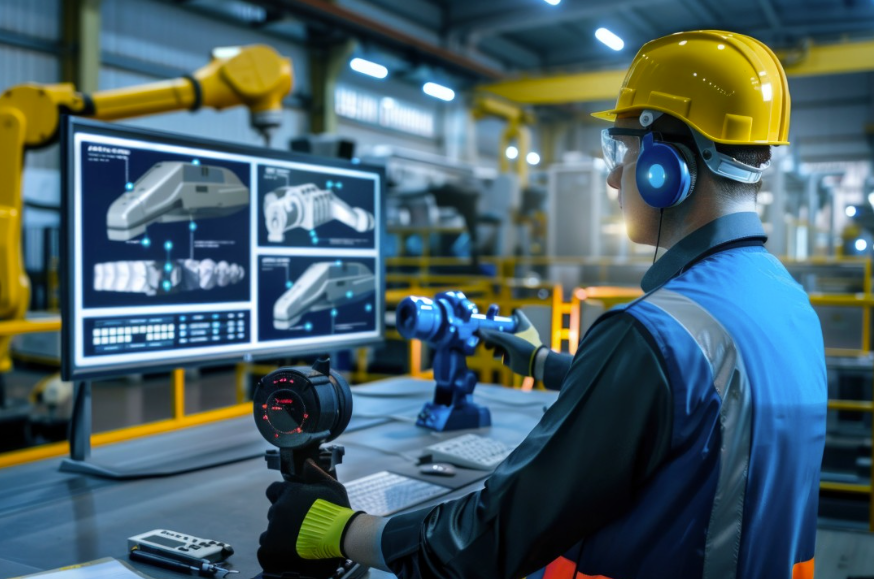


Robots often clamp down on parts with different kinds of grippers that match the part shape: you can find straight-parallel jaws, angled-finger units, three-prong claws, and even one-off custom designs. Many engineers keep coming back to air-powered versions because they’re light, respond almost instantly, and cost a whole lot less than electric or hydraulic models.
In factories where machines never seem to stop and every second counts, those pneumatic jaws keep snapping shut, lifting a part, and moving on to the next job. That kind of reliability cuts the need for human pick-and-place work and helps meet the punishing daily quota.
Grip Force and Stroke Length
How hard a gripper squeezes really matters. Soft grippers might drop a heavy steel bracket, while an overly strong set of jaws could crush a fragile plastic lens. Pros on the shop floor always double-check that the stroke distance matches the part thickness so the fingers grab exactly where they need to.
Gripping Style and Finger Design
Flat parallel fingers hug rectangular plates like a glove, but an oddball bracket with weld seams and corners might need angled or custom tines to stay safe. Picking the right jaw style protects the part from dents and scratches and saves money on broken fixtures.
Actuation Speed and Response Time
When machines move fast, every millisecond counts. Pneumatic grippers usually spring into action quicker than their electric cousins, but little details-port layout, air gulp, even piston design-can slow them down enough to dent your output.
Material Construction and Durability
Pick a hardened gripper if your workspace is full of grit, chemicals, or sudden showers. Anodized aluminum, stainless steel, or specialty alloys hold up well, and a sealed build stops dust or moisture from sneaking into the joints.
Maintenance Requirements
Nobody wants to babysit equipment that needs constant tuning. Quality brands hide self-lubricating bits inside modular shells, so replacing a worn part is usually a ten-minute job, not a weekend project.
Teaming up with a veteran industrial automation components supplier pulls all these details together and keeps your timelines on track.
Application Scenarios Where Pneumatic Grippers Excel
Fast, repeatable handling is the bread and butter of pneumatic claws, and a few places lean on them more than others.
Electronics and Semiconductor Assembly
In the clean rooms of electronics manufacturing, even a thwarted breath can ruin a delicate circuit. Pneumatic grippers snap shut in a heartbeat and lay down micro-parts with the delicacy of tweezers, yet they keep hammering away shift after shift without breaking a sweat.
Automotive Production Lines
Picture a busy assembly floor: workers install seals, snap on gaskets, and squeeze metal bits into place. A good pneumatic gripper tackles every odd shape that rolls by, yet still lines things up exactly the same way shift after shift.
Food-and-Beverage Packaging
Hurry, because freshness waits for no one. Pneumatic jaws whisk around shrink-wrapped bundles and glass bottles, often double-checking their aim with a tiny camera to make sure nothing gets dropped or dented.
Pharmaceuticals and Medical Devices
Inside a stringently cleaned room, even fingerprints can spoil a batch. Specialty grippers-with smooth, contamination-proof surfaces-handle vials and surgical parts with surgeon-like precision to keep sterility locked in.
Logistics and Warehousing
High bays echo with the dull thud of box after box. Robotic grippers grab, sort, and stack items faster than any human could, while still matching the same exact pressure every single time.
Real stories like these show why smart factories lean on close teamwork between pneumatic gripper makers and seasoned automation parts dealers. The partners fine-tune every detail so the final product clears safety tests and runs hard without a hassle.
See also: Reliable Packaging Suppliers Melbourne Businesses Trust
How to Select a Reliable Pneumatic Gripper Manufacturer
Choosing a pneumatic gripper is about more than just the metal. Commercial buyers really want a partner who steps up when the line is on fire.
Customization Capabilities
Sometimes a cookie-cutter design just won’t fit the oddball part that showed up this morning. The best suppliers let engineers swap out finger shapes, tweak air pressures, or even change mounting points to nail that one-of-a-kind job.
In-House Testing and Certification
Manufacturers who run products through real-world trials and meet ISO, CE, or similar quality seals take a big worry off B2B buyers. Proof in the form of test logs or third-party badges makes that confidence concrete.
Lead Time and Inventory Access
Fast shipping can make or break an industrial timeline. Producers that stockpile key parts with their distributors can drain a long-pending purchase order in a single day and dodge the usual delivery bottlenecks.
Global Support and Documentation
Companies that work across borders need manuals in more than one tongue. Multi-language guides, regional service reps, and 24/7 helplines turn a vague product into a reliable partner wherever it’s shipped.
Collaboration with Trusted Suppliers
Top pneumatic gripper makers don’t stop with their own catalogs. They cozy up to industrial-automation-component distributors so every piece clicks together and stays that way after the technician leaves.
A customer that sources a gripper from one of those well-connected shops enjoys smooth integration, workable wiring diagrams, and a service number that answers on the first ring. Reliability, in short, stretches from the sales pitch all the way to the commissioning handshake.
Why the Right Automation Supplier Matters
Picking the correct partner for automation parts can be more crucial than the parts themselves. When a B2B buyer narrows down suppliers, here are some advantages to keep in mind.
- Hands-on Help: A supplier that has lived with the gear can quickly tell which gripper will handle the expected force and speed.
- Documents and Drawings: Good partners hand over CAD files, wiring guides, and quick-start sheets the moment a PO is signed.
- Matchmaking Parts: Discovering mid-project that a gripper and controller don’t talk to each other can grind production to a halt, so compatibility checks are a must.
- Stock on the Shelf: Vendors with ready-to-ship inventory spare engineers the headache of chasing emergency freight after the big meeting.
- Extras That Matter: Prototyping benches, on-site training, and a willingness to co-design for oddball applications can turn a vendor into a teammate.
In short, reliable automation-components suppliers deliver more than boxes on a truck; they add strategic muscle to projects that must grow and perform year after year.
Conclusion
Pneumatic grippers sit at the heart of most automated systems, quietly moving parts with surprising accuracy. Buyers are wiser when they match operational needs to manufacturers that back their goods with solid support, fast delivery, and a willingness to adapt.
Finding a solid pneumatic gripper manufacturer and teaming up with a trustworthy industrial automation parts supplier gives a company the strength it needs to keep machines running smoothly and stay ready for whatever comes next. Cost controls often follow closely behind that groundwork.
What gets written on the spec sheet at the start-city and that first purchase order-matters far more than most folks admit. Better pick their trim delays, chop hidden risk, and let everyone start claiming return on investment long before the paper work burns out.