Portable solar generators are a game-changer, offering clean energy solutions for numerous situations. Knowing the specific run times based on different use cases can maximize efficiency and ensure preparedness. From outdoor adventures that demand lightweight, sustainable energy sources to home settings where reliability is critical during outages, these generators provide versatile applications. As you explore various scenarios, understanding factors influencing run times elevates your ability to choose the right model and enjoy uninterrupted power access. Thoughtful selection of solar generators portable enriches camping experiences, secures homes during power interruptions, and empowers work sites with reliable energy. Real-world examples and practical tips will guide you in harnessing solar power, reflecting the diverse needs that drive innovation in portable solar generator technologies.
What Determines Portable Solar Generator Run Time
Battery Capacity and Usable Energy Explained
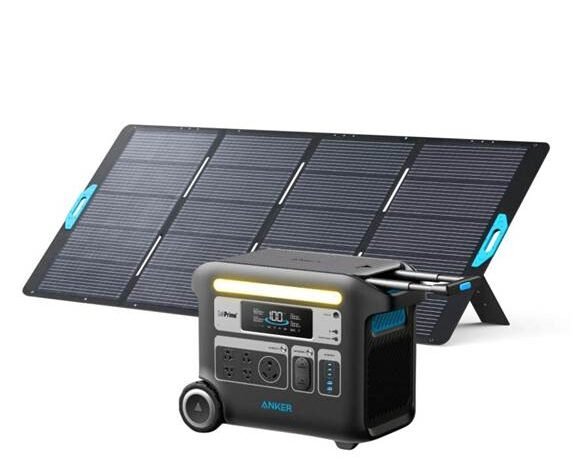
The battery capacity of a portable solar generator is pivotal in determining its run time. Measured in watt-hours (Wh), this indicates the amount of power stored and available for use. A generator with a larger capacity can supply energy for a longer duration before needing a recharge. However, it’s crucial to consider usable energy—the actual amount delivered to your appliances. Factors such as efficiency losses play a role; while a generator might be listed as 2000Wh, the usable energy may be slightly lower due to conversion and operational inefficiencies. Efficient designs such as the Anker SOLIX F2000 ensure more real-world energy use thanks to technologies like InfiniPower™, extending the lifespan and maximizing the utility of each charge for sustained use across multiple devices.
See also: Smart Tech: How to Create a Safer Home Office



Power Demand, Appliance Type, and Usage Patterns
Different appliances and devices draw varying amounts of power. High-demand devices such as refrigerators or electric heaters consume more energy compared to smaller gadgets like LED lights or smartphones. Understanding the power ratings of your devices helps estimate how long a portable solar generator will run. Furthermore, usage patterns—how often and how long you run each appliance—affect the generator’s performance. Consistent monitoring and smart energy management can help elongate run times. For example, using blanket insulation with refrigerators can reduce power demand, allowing the generator to focus on other priority devices. Proactive energy strategies, matched with generator capabilities, help manage expectations, ensuring prepared and efficient power use.
Portable Solar Generator Run Times by Common Use Cases
Camping, Outdoor Adventures, and Off-Grid Travel
For camping and outdoor adventures, portability and energy efficiency are key. Small, lightweight generators like the Anker SOLIX F2000 offer stamina and convenience, powering essentials such as LED lamps, portable coolers, and charging stations for phones and cameras. On average, with moderate appliance use—a few LED lights, charging small devices—the generator might last up to a couple of days before needing a solar recharge. The efficient recharge capability of Anker’s InfiniPower™ technology, however, means you can quickly refresh your generator with solar panels, maintaining power flow. Usage patterns like timing lights to follow sunset and sunrise can stretch the power further, while the generator’s ability to accommodate up to 12 devices allows for versatile setups, sustaining comfort and connectivity in the wilderness.
Home Backup Power During Outages
In home settings, portable solar generators offer peace of mind during outages. They can maintain essential systems like communications, lighting, and refrigeration. The Anker SOLIX F2000, with its robust capacity and fast recharge times, can simultaneously power multiple devices, making it ideal for short-term backup solutions. For instance, keeping a refrigerator running alongside network routers ensures both food safety and connectivity. The efficient 1.4-hour recharge time allows homeowners to promptly reinstate power, minimizing downtime. Thoughtful power usage—prioritizing critical appliances and leveraging smart energy control features available via their app—ensures extended run times and efficient energy allocation, culminating in a resilient household that can navigate power disruptions smoothly.
Choosing the Right Portable Solar Generator for Your Needs
Matching Use Cases With Generator Size and Output
Selecting the right portable solar generator depends largely on your specific application needs. For camping, a compact, lightweight option like the Anker SOLIX is ideal, focusing on small appliances and chargers as top priorities. Larger power demands, such as in home settings during extended outages, require generators with substantial battery capacities and output capabilities. Consider a comprehensive evaluation of the devices you plan to connect and ensure their combined wattage doesn’t exceed your generator’s output capacity. Generators offering multiple ports, like the SOLIX with 2400W access for up to 12 devices, provide flexibility in setup. Tailoring your choice guarantees your generator can comfortably handle the load.
Solar Input, Expandability, and Anker SOLIX Product Options
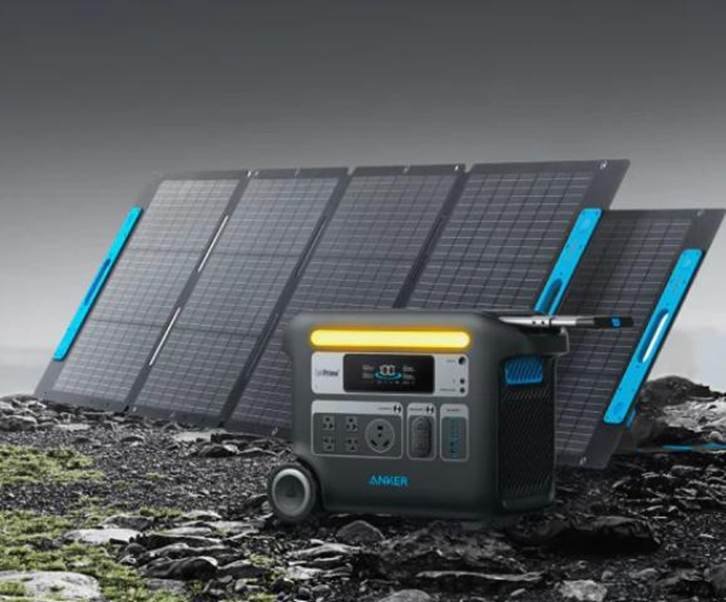
Consider the solar input capabilities of your generator and options for expandability, as these determine how quickly and efficiently it can recharge, especially during prolonged use. Portable solar panels like the 400W option for Anker SOLIX facilitate rapid recharging. A device like the SOLIX F2000, equipped with InfiniPower™ and smart app control for energy management, ensures reliability and responsive power access, highlighting adaptability and enhancing the user experience with its 5-year warranty, guaranteeing a sturdy, enduring solution for diverse energy demands.
Conclusion
Portable solar generators represent a shift toward sustainable, efficient energy management across various use cases. By understanding factors like battery capacity, usage patterns, and device power demand, you can effectively manage run times to fit your lifestyle. The Anker SOLIX F2000 is a standout, blending advanced technology with practical design to ensure users are equipped for camping, home backup, and more. Thoughtful selection tailors the generator to your needs, enhancing performance and preparedness. As technology advances, portable solar generators promise to meet evolving energy requirements with flexibility and ease.