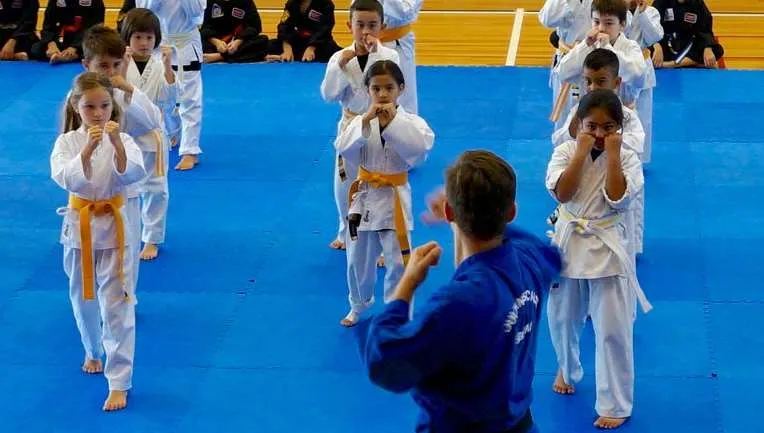
Martial arts are more than just combat techniques — they’re a blend of discipline, fitness, self-defense, and mental growth. Whether you’re looking to improve your physical health, gain confidence, or learn effective self-defense skills, martial arts classes offer a structured path to achieving those goals.
This comprehensive guide explores everything about martial arts classes — from the different styles available and their benefits to what you can expect during training and how to choose the right class for your needs.
Understanding Martial Arts
Martial arts refer to a variety of combat practices and traditions, often rooted in cultural history, that have evolved into modern forms of training. Today, martial arts classes are offered worldwide for:




- Self-defense
- Fitness and weight loss
- Confidence building
- Sports and competition
- Cultural appreciation
See also: How Personalized Senior Care Improves Quality of Life at Home
Popular Types of Martial Arts Classes
There are many martial arts styles, each offering unique benefits. Here are some of the most popular ones taught in martial arts schools:
1. Karate
- Origin: Japan
- Focus: Strikes, punches, kicks, and open-hand techniques
- Benefits: Improves coordination, discipline, and overall fitness
2. Taekwondo
- Origin: Korea
- Focus: High kicks, jumping techniques, and fast footwork
- Benefits: Flexibility, speed, and competitive sparring opportunities
3. Brazilian Jiu-Jitsu (BJJ)
- Origin: Brazil (adapted from Japanese Jiu-Jitsu)
- Focus: Ground fighting, submissions, and chokeholds
- Benefits: Leverages technique over strength, great for self-defense
4. Muay Thai
- Origin: Thailand
- Focus: Striking with fists, elbows, knees, and shins
- Benefits: Full-body workout and real-world self-defense skills
5. Judo
- Origin: Japan
- Focus: Throws, grappling, and pins
- Benefits: Excellent for balance, coordination, and strength
6. Mixed Martial Arts (MMA)
- Origin: Modern sport combining multiple disciplines
- Focus: Striking, grappling, and submissions
- Benefits: Versatile skill set and high-intensity training
7. Kung Fu
- Origin: China
- Focus: Fluid movements, strikes, and traditional forms
- Benefits: Improves flexibility, focus, and cultural knowledge
Benefits of Joining Martial Arts Classes
Enrolling in martial arts offers a variety of mental and physical benefits.
1. Physical Fitness
Martial arts training improves:
- Strength
- Flexibility
- Stamina
- Coordination
2. Self-Defense Skills
You’ll learn practical techniques to protect yourself in real-life situations.
3. Mental Discipline
Martial arts teach focus, patience, and respect — skills that translate into everyday life.
4. Stress Relief
Training sessions release endorphins, helping you relax and reduce anxiety.
5. Confidence Building
Mastering new techniques boosts self-esteem and self-belief.
What to Expect in a Martial Arts Class
Most classes follow a structured format to ensure steady progress.
1. Warm-Up
Includes stretching, cardio, and light drills to prepare your body.
2. Technique Training
Learning punches, kicks, forms, grappling, or other discipline-specific moves.
3. Partner Drills
Practicing techniques with a training partner for real-world application.
4. Sparring
Controlled practice fighting to develop reflexes and strategy.
5. Cool Down
Stretching and breathing exercises to aid recovery.
Martial Arts for Different Age Groups
Martial arts classes are designed for all ages and skill levels.
Children’s Classes
- Focus on discipline, basic techniques, and fun activities
- Helps with coordination, respect, and self-control
Teen Classes
- Build self-confidence, fitness, and competitive skills
- Suitable for school sports and self-defense
Adult Classes
- Stress relief, fitness, and advanced self-defense
- Social interaction and skill mastery
How to Choose the Right Martial Arts Class
When selecting a martial arts class, consider the following:
- Your Goals – Fitness, competition, or self-defense?
- Class Schedule – Flexible times to match your lifestyle
- Instructor Experience – Look for certified and experienced teachers
- Facilities – Clean, safe, and well-equipped training areas
- Trial Classes – Many schools offer free or discounted trial sessions
Equipment Needed for Martial Arts Training
Depending on the style, you may need:
- Gi or Uniform – For Karate, Judo, BJJ
- Protective Gear – Gloves, shin guards, mouthguards for striking arts
- Belt System – Indicates skill level and progression
- Training Weapons – For certain styles like Kendo or Eskrima
Tips for Success in Martial Arts Classes
- Be consistent with attendance
- Practice at home between classes
- Listen to your instructor’s feedback
- Stay respectful toward training partners
- Set realistic short-term and long-term goals
The Journey to Black Belt and Beyond
In most martial arts, a belt ranking system marks your progress. The path to black belt can take years, requiring dedication, skill, and perseverance. Even after achieving black belt status, the learning never stops — higher degrees and teaching opportunities await committed martial artists.
Conclusion
Martial arts classes offer more than just fighting skills — they shape character, build confidence, and enhance overall well-being, making them ideal confidence building activities for kids as well. Whether you’re a beginner looking for a new hobby, a parent seeking discipline-building activities for your child, or an athlete aiming to compete, there’s a martial art and class perfectly suited to your needs.
With the right mindset, consistent practice, and guidance from skilled instructors, martial arts can become a lifelong journey of self-improvement and personal growth.