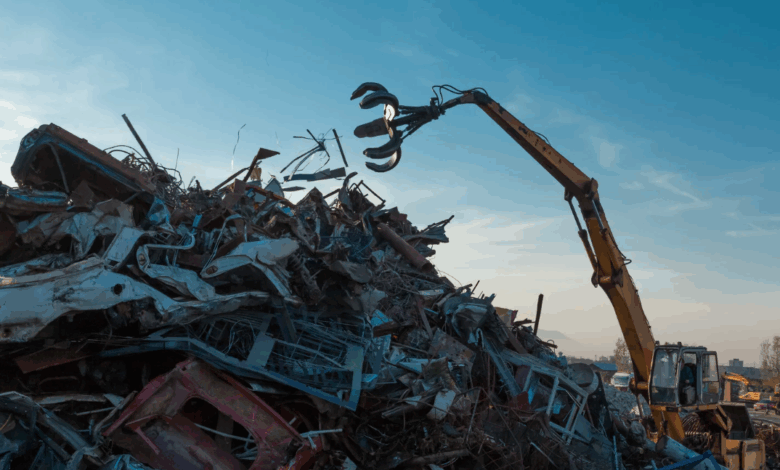
As industries grow and consumption rises, the demand for raw materials increases alongside the environmental strain of extracting them. This cycle leads to more mining, deforestation, and pollution. One effective solution lies in recycling, particularly metal materials. By prioritizing sustainable practices like scrap metal recycling in Dalton, communities can make a significant difference in reducing the need for new resource extraction.
Recycling not only protects the environment but also conserves energy and extends the lifecycle of valuable metals. Rather than allowing these materials to end up in landfills or remain unused, proper recycling processes ensure they’re repurposed responsibly.
The Environmental Value of Recycling Scrap Metals
Metals such as copper, aluminum, steel, and brass can be recycled repeatedly without losing their structural integrity. This makes them ideal candidates for reuse across industries, from automotive to construction. When metals are recycled instead of mined, fewer greenhouse gases are released, and less energy is consumed.


For example, recycling aluminum saves up to 95 percent of the energy required to extract it from raw ore. The use of recycled metals also limits the harmful environmental effects of traditional mining, which can cause soil erosion, water contamination, and loss of biodiversity.
Reducing Pressure on Natural Resources
One of the biggest advantages of recycling is its ability to curb the extraction of raw materials. Mining and refining processes are intensive, both in terms of resources and energy. By contributing to metal recovery through responsible recycling channels, individuals and businesses help decrease the need for mining new ores.
This process significantly lessens the ecological damage caused by excavation and reduces the overall footprint of industries dependent on metal components. By incorporating practices such as scrap metal recycling in Dalton, even small-scale efforts can collectively make a lasting impact.
Energy Conservation and Emissions Reduction
Recycling metals uses significantly less energy compared to refining virgin materials. Steel made from recycled content, for instance, requires approximately 60 percent less energy. The reduction in energy demand results in fewer carbon emissions, improving overall air quality and mitigating the effects of climate change.
In this context, the long-term benefits extend beyond the individual recycler. They contribute to a larger network of sustainability, where fewer emissions are generated, and future generations are spared the environmental debt of today’s consumption.
Economic and Practical Benefits
Recycling scrap metal is not only a smart environmental move but also economically beneficial. Businesses can offset material costs, while homeowners can turn unwanted metal items into profit. Understanding the full scope of the benefits of recycling scrap metals helps reinforce the importance of consistent recycling.
How Scrap Metal Recycling Supports Local Economies
Local recycling programs provide jobs, boost economic growth, and encourage responsible consumer behavior. Scrap yards and facilities require skilled labor for collection, sorting, and processing, creating opportunities across sectors. These operations play a crucial role in minimizing landfill use and making better use of existing resources. Moreover, efficient collection and processing of scrap metal help reduce illegal dumping and related issues that harm communities. This creates cleaner, safer neighborhoods and builds a culture of environmental responsibility.
Choosing the Right Recycling Partner
A key factor in maximizing the environmental and economic benefits of recycling is working with professionals who follow responsible practices. Facilities should have systems in place for safe handling, accurate weighing, and ethical material recovery. Additionally, it’s essential to find recyclers who emphasize transparency and sustainability in their operations. By understanding how scrap metal recycling services turn your clutter into cash, individuals can appreciate how professional services simplify the recycling process while ensuring materials are handled efficiently and with minimal environmental impact.
Conclusion
Recycling scrap metal is one of the most effective strategies for reducing the need for raw material extraction. By diverting reusable metals from landfills and reintroducing them into production cycles, communities contribute to energy conservation, pollution reduction, and economic growth. Opting for professional recycling services ensures that this process is handled with care and long-term impact in mind. Through informed choices and continued effort, individuals and businesses can become an integral part of a sustainable solution.