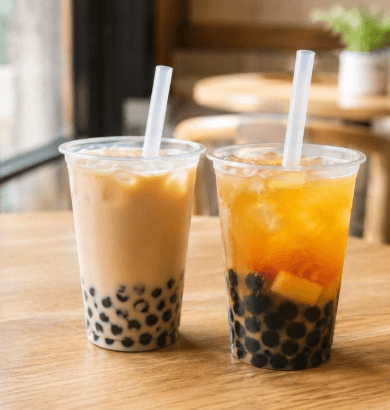
Boba tea is easy to love. It is sweet, customizable, colorful, and often feels more like a treat than a regular drink. Whether someone prefers classic milk tea, brown sugar boba, fruit tea, or a creamy taro drink, there is usually a flavor for every mood.
But there is one question more customers are starting to ask: how much sugar is in boba?
The answer is not always simple. Sugar can come from several places in one cup: the tea base, flavored syrups, milk or creamer, tapioca pearls, fruit toppings, pudding, and even jelly. That means a drink that looks light and refreshing may still contain more sugar than expected.
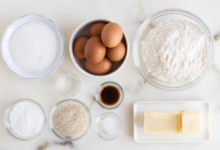

How Much Sugar Is in Boba Tea?
So, how much sugar is in boba? It depends on the drink size, sweetness level, toppings, and recipe.
A standard milk tea with full sugar can contain a significant amount of sugar, especially if it includes syrup-soaked tapioca pearls. Brown sugar drinks may contain even more because the syrup is part of the flavor and visual appeal. Fruit teas can also be sweet because many recipes use fruit syrups, sweetened tea bases, or fruit concentrates.
Many boba shops allow customers to choose sweetness levels such as 100%, 75%, 50%, 25%, or 0%. This helps, but it does not always tell the full story. Even if the drink is ordered with reduced sugar, toppings may still add sweetness.
This is why it is better to think of sugar in boba as layered rather than coming from only one ingredient.
Where Sugar Hides in Boba Drinks
Sweetened Tea Bases
Some boba drinks begin with brewed tea that may already be lightly sweetened. This is especially common in fruit teas or pre-mixed tea bases.
Black tea, green tea, oolong tea, and jasmine tea do not naturally contain sugar. But once sweeteners, syrups, or concentrates are added, the sugar level rises quickly.
If a customer wants to reduce sugar, asking whether the tea base is already sweetened can help.
Flavored Syrups
Flavored syrups are often the biggest source of sugar in boba tea.
Brown sugar syrup, honey syrup, fruit syrup, caramel syrup, and other sweeteners give boba drinks their signature flavor. They also make drinks more consistent and visually appealing.
However, syrup can add a lot of sugar in a small amount. A drink with multiple pumps of syrup may taste smooth and balanced, but the sugar content can still be high.
Milk, Creamers, and Condensed Milk
Milk itself may contain natural sugars, while non-dairy creamers and sweetened condensed milk can add more.
Classic milk tea often tastes rich because of the combination of tea, creamer, and sugar. Some dessert-style drinks rely on sweetened dairy ingredients for texture and flavor.
Customers who want a lighter option can ask for fresh milk, unsweetened oat milk, soy milk, or almond milk if available.
Tapioca Pearls and Other Toppings
Tapioca pearls are often cooked or soaked in sugar syrup to keep them soft and flavorful. This means the pearls can add sugar even before the drink itself is sweetened.
Other toppings can also contribute sugar, including pudding, fruit jelly, popping boba, red bean, and flavored agar. Grass jelly, aloe vera, and aiyu jelly may be lighter options depending on the recipe.
When asking how much sugar is in boba, toppings should always be included in the answer.
How Sweetness Levels Affect Sugar Intake
Most boba shops give customers control over sweetness. This is one of the easiest ways to reduce sugar without giving up the drink completely.
A 100% sugar drink is the standard full-sweet version. It is usually the richest and sweetest option. A 50% sugar drink cuts the added sweetness, but it may still contain sugar from toppings, milk, and pre-sweetened ingredients. A 25% sugar drink can be a good middle ground for customers who want flavor without too much sweetness.
A 0% sugar drink does not always mean zero sugar. If the drink includes tapioca pearls, fruit, milk, pudding, or syrup-soaked toppings, some sugar may still be present.
This is an important detail for customers who are trying to manage sugar intake more carefully.
How Much Sugar Is in Boba Compared With Other Drinks?
Boba tea can sometimes contain as much sugar as dessert beverages, depending on the order.
A full-sugar brown sugar milk tea with pearls will usually be very different from a lightly sweetened green tea with aloe. One drink may feel like a dessert, while the other may feel more refreshing.
The issue is not that every boba drink is automatically unhealthy. The issue is that many customers do not realize how much sugar is added through syrups, toppings, and large serving sizes.
A medium cup and a large cup can also be very different. A larger drink may contain more tea, more syrup, more milk, and more toppings. Even if the sweetness level is reduced, the total sugar may still be higher because the serving size is bigger.
Healthier Ways to Order Boba Tea
Customers do not need to stop drinking boba completely. A few small changes can make a big difference.
Start by reducing sweetness. Choosing 50% or 25% sugar is often the easiest adjustment. Many people find that after a few drinks, full sugar begins to taste too sweet.
Next, choose toppings more carefully. Tapioca pearls are classic, but they are often sugar-soaked. Grass jelly, aloe, or a smaller portion of pearls may be better options for people trying to reduce sugar.
Milk choices also matter. Unsweetened milk alternatives can help reduce added sugar, especially in creamy drinks.
Finally, consider the drink type. A simple tea-based drink with light sugar may contain less sugar than a brown sugar milk drink or heavily flavored fruit tea.
Why Sugar Transparency Matters for Boba Shops
For boba shop owners, the question how much sugar is in boba is more than a customer health concern. It is also a menu strategy issue.
More customers are paying attention to sugar, caffeine, dairy, and ingredient quality. A shop that clearly explains sweetness levels and topping choices can help customers order with confidence.
Clear menu labels can also reduce confusion during busy hours. Staff can explain which drinks are richer, which are lighter, and which options can be customized.
For franchise operators, this consistency is especially important. Customers should receive similar information and drink quality across different locations.
See also: The Hidden Costs of Poor Food Purchasing Decisions
Conclusion
So, how much sugar is in boba? The answer depends on the tea base, syrup, milk, toppings, size, and sweetness level. A full-sugar milk tea with pearls can contain a high amount of sugar, while a lightly sweetened tea with simpler toppings may be much lower.
The best approach is not to avoid boba completely, but to order more intentionally. By choosing lower sweetness, lighter toppings, and simpler drink bases, customers can still enjoy boba without turning every cup into a sugar-heavy dessert.