Are your jellies too soft, your puddings not firm, or your gummies not shaped at room temperature? Issues in texture, such as these, may turn the process of cooking a dessert frustrating. Even with a recipe, the outcome can be different due to the varying reaction of some gelling agents to heat, acidity, or ratios of ingredients.
Nevertheless, you can achieve a stable structure by employing a more stable plant-based gelling agent. The Agar Agar powder, which is an extract of red seaweed, sets into hard gels and is also stable in higher temperatures than most traditional alternatives. Due to that, you can get more well-defined sets, stronger texture, and more consistent results on various types of desserts. Therefore, rather than trying recipes one after another, you can learn the mechanism of this ingredient and use it properly.
The following sections discuss Agar Agar powder, its characteristics, and why it is important to use Agar Agar in the preparation of jellies, puddings, and gummies.
Agar Agar Powder Explanation and Core Properties
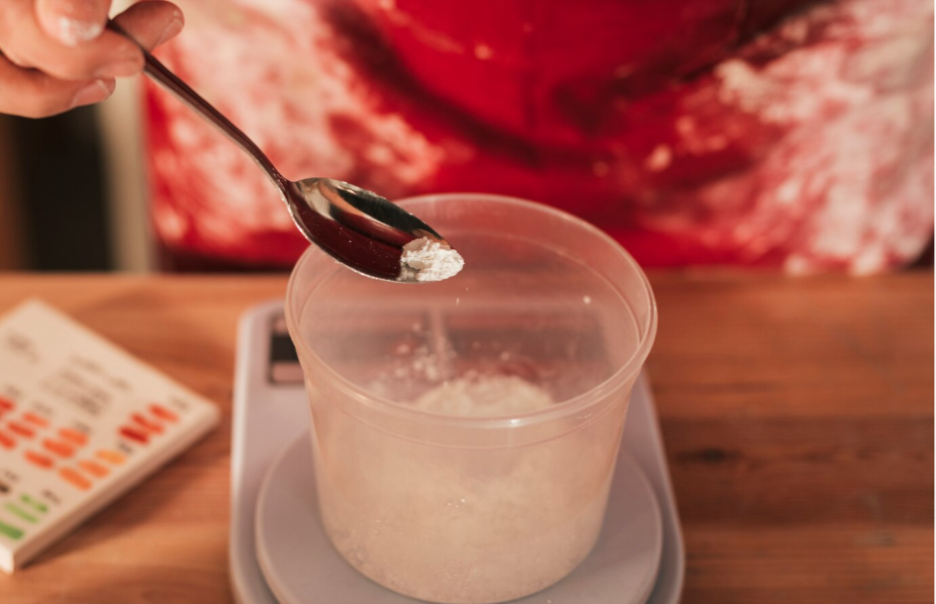
Agar Agar powder is a natural substance derived from red seaweed. It is a part of a category of ingredients called hydrocolloids, and it interacts with water to create structured systems. Furthermore, it is used in food preparation as a gelling, thickening, and stabilizing ingredient in a wide range of preparations where texture and structural properties are significant.
It is vegan, gluten-free, non-GMO, and Kosher (K), and does not have any significant food allergens. Owing to its functional characteristics, it finds broad application in gel-based food systems where controlled structure and stability are required, as well as uniform performance across recipe situations.
Technically, agar needs to be moistened and heated to become active. As it cools down, the soluble content becomes solidified in the form of a gel, and the resulting stable network of food provides the set structure and enables it to retain its structure once prepared.
Key Benefits of Agar Agar Powder
Agar Agar powder is known to have functional benefits, which help in the structure, versatility, and formulation consistency in gel-based foods.
- Strong and Reliable Gel Structure: You are able to obtain firm textures that keep their shape. The gel is firmer than most of the traditional solutions, making your desserts less prone to collapsing during slicing, molding, and serving.
- Suitable for Plant-based Formulations: This ingredient is made of seaweed instead of animals, and thus, you can make gelled recipes while keeping formulations entirely plant-based.
- Versatile Across Recipe Types: You can use the same ingredient in desserts made with fruits as well as in structured savory preparations. Such flexibility saves you the hassle of having different gelling systems in your kitchen.
- Performs Well Under Temperature Changes: Your finished gels stay more stable in higher temperatures. This decreases texture breakdown, which may occur with less stable gelling agents.
- Compatible With Various Dietary Needs: It can be used in recipes that are gluten-free or other genetically modified foods, as well as in recipes that cater to vegan and Kosher diets.
Role of Agar Agar Powder in Jellies, Puddings, And Gummies
When you prepare jellies, puddings, or gummies, structure and stability are key. Agar Agar supports the formation of defined gels that hold their shape after setting. This makes it useful when you want desserts that maintain form rather than slump or spread, especially in recipes where presentation and clean portions matter.
After proper hydration and boiling, agar solutions begin to set as they cool to around 35–40 °C. This setting behavior allows you to pour, mold, or shape mixtures before they solidify, giving you more control over the final appearance. Once set, the gel structure remains stable at room temperature.
Because of this, you can create clear jellies, stable pudding systems, and gummies with reliable shape retention. These characteristics make agar suitable for confections, desserts, and culinary preparations that depend on a firm gel structure and consistent texture across different serving conditions.
1. Texture Control with Agar Agar Powder
When you prepare jellies, puddings, or gummies, texture defines quality. Agar allows you to adjust firmness by changing concentration levels between 0.5% and 2.0%. Lower amounts create softer pudding-style gels, while higher levels produce firm jelly blocks or structured gummies.
Because of this range, you can tailor consistency without switching ingredients. This makes it easier to maintain predictable results across different dessert types and portion sizes.
To support an even texture, you can blend agar with sugar before dispersing it into liquid. This helps prevent clumping and leads to smoother gel formation throughout the mixture, improving overall uniformity.
2. Heat Stability of Agar Agar Powder
Temperature control is important in gelled desserts. Agar gels remain stable in warmer conditions, which helps your jellies and gummies hold shape during handling, transport, or display.
Unlike gels that soften quickly outside refrigeration, agar-based mixtures maintain structure at room temperature. This supports puddings and molded desserts that need to keep their form during service or plating.
As a result, your finished products are less likely to weaken or lose definition when exposed to moderate heat, helping preserve texture consistency.
3. Set Strength of Agar Agar Powder
Set strength determines how well desserts keep their shape. Agar forms a firm gel network that allows clean slicing of jellies, defined layers in puddings, and structured gummy textures.
You can also adjust gel behavior through combinations. Pairing with locust bean gum can add elasticity, while sugar syrups help stabilize confectionery gels. Blending with fruit pectin supports hybrid systems used in fruit-based applications.
These options help you refine texture while keeping agar as the primary structuring component across different dessert styles.
How to Use Agar Agar Powder
Proper use begins with dosage. You generally measure agar between 0.5% and 2.0% of total recipe weight, depending on the firmness and final texture you want to achieve. After measuring, you disperse the powder in liquid and heat the mixture.
Hydration requires boiling the solution at about 85–90 °C. This step activates the gelling properties and ensures proper interaction between agar and the liquid base. Without sufficient heat, the powder will not fully dissolve or function correctly.
Once activated, the mixture remains fluid while hot. As it cools to approximately 35–40 °C, gel formation begins. At this stage, the structure develops, and the product transitions into a set gel with a stable, defined form.
Bottomline
By understanding how Agar Agar behaves, what advantages it offers, and how to use it correctly, you can work with more control in gel-based recipes. This knowledge helps you manage texture, firmness, and stability without relying on guesswork. As a result, your jellies can hold clean shapes, your puddings can maintain structure, and your gummies can stay defined.
Applying these principles also supports consistency from batch to batch, making your preparation process more predictable and easier to manage.