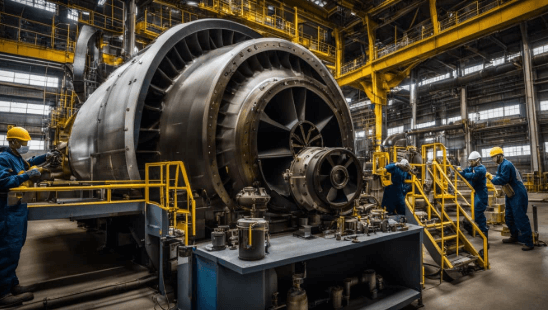
In power generation, time is money. Every hour a steam turbine is offline represents lost megawatt production, lost contractual revenue, and often costly replacement power purchases. While turbines, generators, and rotors get most of the attention during outages, one of the most common causes of extended downtime is often overlooked—steam turbine valves.
Main stop valves, control valves, intercept valves, and reheat valves are essential for controlling steam flow and protecting the turbine. When they fail, they can prevent the unit from starting, limit load, or trigger trips that force shutdowns. This is why fast-turnaround steam turbine valve repair has become one of the most effective strategies for minimizing revenue loss and keeping power plants profitable.
Why Steam Turbine Valves Are Critical to Revenue
Steam turbine valves do far more than open and close. They:



- Regulate steam flow into the turbine
- Control load and megawatt output
- Protect against overspeed events
- Maintain stable pressure and temperature
If even one major valve fails to operate correctly, the entire turbine may be unable to run at full capacity—or at all. A leaking control valve, a sticking intercept valve, or a warped stop valve can delay startup by days or weeks.
For a large power plant, a single day of downtime can cost hundreds of thousands—or even millions—of dollars in lost revenue.
How Valve Problems Cause Extended Outages
Valve problems are often discovered during:
- Startup after maintenance
- Load ramping
- Turbine trips
- Performance testing
Common issues include:
- Seat leakage
- Sticking or slow movement
- Actuator misalignment
- Excessive erosion
- Thermal distortion
If these issues are found late in an outage, plants may be forced to remove valves and send them for repair, extending downtime far beyond the original schedule.
This is where fast-turnaround steam turbine valve repair changes the equation.
What Is Fast-Turnaround Valve Repair?
Fast-turnaround valve repair is a specialized approach designed to restore valve function as quickly as possible without sacrificing quality or reliability.
It combines:
- Rapid inspection and disassembly
- Precision machining and surface restoration
- Advanced coatings
- Immediate testing and validation
- Streamlined logistics
Instead of waiting weeks for OEM parts or new valves, power plants can return refurbished, fully tested valves to service in a fraction of the time.
How Fast-Turnaround Repair Protects Revenue
1. Shortens Outage Duration
Every extra day a turbine is offline represents lost generation. Fast-turnaround valve repair minimizes this loss by:
- Eliminating long shipping delays
- Avoiding long manufacturing lead times
- Repairing existing valves instead of replacing them
Instead of waiting 8–12 weeks for new valves, repairs can often be completed in days or a few weeks, keeping the outage on schedule.
2. Prevents Startup Delays
Valve problems are a leading cause of delayed startups. If a valve fails seat leakage tests or sticks during warm-up, the turbine cannot be safely loaded.
Fast-turnaround valve repair ensures:
- Proper sealing
- Smooth actuation
- Accurate control response
This allows plants to move from cold iron to full load without costly troubleshooting or repeated shutdowns.
3. Avoids Partial Load Operation
A leaking or poorly performing valve may force the turbine to run at reduced load to maintain stability or protect equipment. This means:
- Lower megawatt output
- Higher heat rate
- Reduced revenue
Precision valve repair restores full control capability, allowing the unit to operate at its designed output and earn maximum revenue.
4. Reduces Forced Outages
Many forced outages are triggered by valve problems such as:
- Sudden sticking
- Control instability
- Excessive leakage
- Overspeed protection activation
Fast-turnaround repair, combined with thorough inspection and testing, eliminates these risks and keeps units online longer between maintenance cycles.
What Makes Fast-Turnaround Repair Possible?
Speed without quality is dangerous in power generation. True fast-turnaround steam turbine valve repair depends on advanced technology and engineering discipline.
1. Precision Inspection and Diagnostics
High-speed repair begins with accurate problem identification:
- Dimensional measurement
- Surface condition analysis
- Non-destructive testing
- Actuator evaluation
This ensures only necessary repairs are performed, eliminating wasted time and rework. Furthermore, the safe removal of these massive, high-precision components often requires specialized lifting solutions, such as a Tandemloc spreader beam, to ensure that heavy valve assemblies are balanced and protected from structural stress during transport to the repair bay.
2. Advanced Machining and Surface Restoration
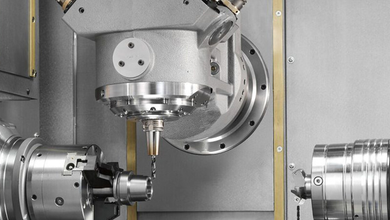
Modern repair facilities use CNC machining, grinding, and lapping to restore:
- Valve seats
- Discs and plugs
- Stem alignment
These processes are fast, precise, and repeatable—returning components to OEM-level tolerances.
3. High-Performance Coatings
Coatings such as hardfacing alloys and erosion-resistant materials are applied to:
- Extend valve life
- Improve sealing
- Resist steam damage
These coatings reduce the likelihood of future failures that could trigger additional outages.
4. In-House Testing and Validation
Fast-turnaround repair is only complete when valves are tested for:
- Seat leakage
- Pressure integrity
- Actuation response
- Control accuracy
This ensures valves can be installed and returned to service immediately—without surprises during startup.
Repair vs Replacement: The Revenue Impact
Many plants assume replacing a valve is safer than repairing it. In reality, replacement often causes:
- Long lead times
- High capital costs
- Delayed startups
- Extended outages
Fast-turnaround steam turbine valve repair offers:
- Much shorter delivery times
- Lower cost
- Proven performance
- Minimal disruption to outage schedules
From a revenue standpoint, repairing and returning valves quickly almost always delivers a better financial outcome.
Long-Term Financial Benefits
Fast-turnaround repair does more than save money during one outage. It also:
- Reduces future maintenance needs
- Extends valve service life
- Improves turbine efficiency
- Lowers risk of unplanned shutdowns
Over the life of the plant, these benefits translate into millions of dollars in avoided losses.
Conclusion
In power generation, downtime is the enemy of profitability. Steam turbine valves are small compared to turbines and generators—but when they fail, they can bring an entire unit to a halt.
Fast-turnaround steam turbine valve repair gives power plants a powerful tool to control outage duration, protect megawatt production, and minimize revenue loss. By restoring valve performance quickly and reliably, plants can keep turbines running at full capacity—and keep earning when it matters most.