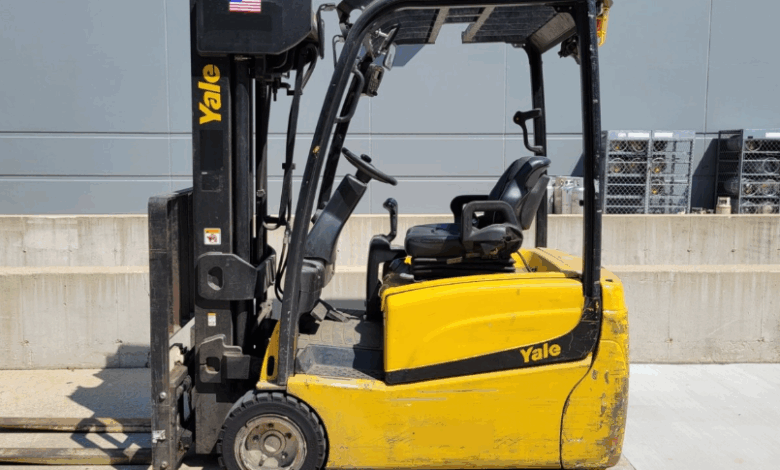
In warehouses, electric forklifts are becoming more and more common distribution centers due to their environmental benefits, lower operating costs, and quieter operation. However, like any industrial equipment, they require regular maintenance to ensure optimal performance, safety, and longevity. This article outlines key maintenance practices that will keep your electric forklift fleet running efficiently.
Battery Care: The Heart of Your Electric Forklift
The battery is arguably the most critical component of an electric forklift. Proper battery maintenance includes:
- Daily inspection of electrolyte levels in lead-acid batteries
- Regular equalization charging to prevent battery stratification
- Keeping terminals clean and free of corrosion
- Maintaining proper water levels (for flooded lead-acid batteries)
- Following manufacturer-recommended charging protocols
Many facility managers find that implementing a battery maintenance schedule extends battery life by up to 30%, representing significant cost savings over time.


See also: Businesses That Regularly Use Vehicle Shipping
Motor and Controller Maintenance
The electric motor and controller system require less maintenance than internal combustion engines but still need regular attention:
- Monthly inspection of motor brushes for wear
- Checking electrical connections for tightness and signs of arcing
- Keeping the controller free of dust and debris
- Verifying cooling fan operation
- Testing acceleration and braking response
Click here to know about Yale forklift parts and compatible components for motor maintenance.
Hydraulic System Care
The hydraulic system in electric forklifts powers lifting operations and requires:
- Quarterly hydraulic fluid checks and replacement as recommended
- Regular inspection of hoses and fittings for leaks
- Filter replacements according to manufacturer schedules
- Checking cylinder operation for smooth, consistent movement
Tire Maintenance
Forklift tires affect stability, energy efficiency, and operator comfort:
- Weekly inspection for wear patterns and damage
- Maintaining proper inflation for pneumatic tires
- Measuring tread depth and replacing worn tires
- Checking for chunking or separation in solid tires
Operator Preventive Practices
Operators play a vital role in maintenance through daily practices:
- Performing thorough pre-operation inspections
- Reporting unusual noises or performance issues immediately
- Following proper charging procedures
- Avoiding impact damage through careful operation
- Keeping the forklift clean and free of debris
When a thorough maintenance schedule is put in place for electric forklifts, downtime is usually reduced by 20–25% and equipment life is increased by several years. Establishing these maintenance procedures is becoming more and more crucial for facility operations as electric fleets continue to gain popularity.
Remember that while some maintenance can be performed in-house, specialized tasks may require certified technicians, especially for high-voltage systems and sophisticated electronic components.