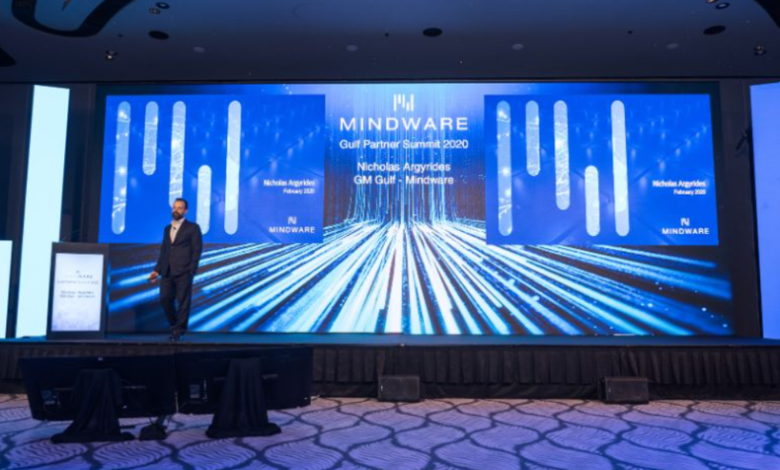
Corporate events have evolved beyond formal gatherings and presentations. Today, businesses use them to strengthen relationships, recognise achievements, introduce products, share knowledge, and create meaningful connections with their audiences. A well-executed event can bring employees, customers, partners, and industry professionals together around a shared purpose. Delivering that experience requires careful planning, coordinated production, and a clear understanding of business objectives.
For organisations operating in the UAE’s competitive business environment, selecting from the many Corporate event management companies in Dubai is an important decision. The right partner should understand not only how to organise a programme but also how to translate a company’s identity and goals into an engaging experience.
Corporate Events Need More Than a Venue
A venue provides the setting, but the event itself is shaped by everything that happens before, during, and after the gathering. The programme, stage design, registration process, presentations, lighting, sound, guest movement, and onsite coordination all influence how attendees perceive the organisation.



Planning should begin with a clear objective. A leadership conference may be intended to communicate strategy and align teams. An awards dinner may celebrate performance and recognise contributions. A product launch may introduce a new solution to customers and partners. A networking event may create opportunities for conversations and business development.
Each purpose calls for a different format. A formal conference needs a programme that supports presentations and discussion, while a gala dinner requires attention to guest arrival, dining, entertainment, stage transitions, and award presentations. Defining the objective early helps ensure that the event’s design and operational choices serve a meaningful purpose.
What Professional Corporate Event Management Involves
Effective Corporate event management brings planning, creative development, production, and execution into one coordinated process. It starts with understanding the client, audience, budget, venue, and expected outcomes.
The planning team can then develop the concept and programme, establish timelines, coordinate suppliers, arrange technical requirements, and prepare the event environment. As the event approaches, rehearsals, equipment checks, guest communication, and onsite responsibilities become increasingly important.
An integrated approach helps reduce the burden on internal teams. Rather than managing multiple suppliers independently, a business can work with a central project team that coordinates the different elements and maintains an overview of the schedule.
This does not mean every event should be elaborate. A focused executive meeting may need a simple, professional environment with reliable technology. A major annual gathering may require a more extensive production plan. The scale should match the objective, audience, and available resources.
Conferences and Summits That Encourage Participation
Conferences and summits are important formats for sharing knowledge and building professional relationships. They may include keynote presentations, panel discussions, breakout sessions, networking periods, and demonstrations.
The layout should support both communication and movement. Attendees need to see the stage, hear speakers clearly, access registration and refreshments, and find relevant sessions without confusion. Signage and digital schedules can make navigation easier, particularly at larger venues.
Speaker coordination also deserves attention. Organisers should confirm presentation formats, arrival times, technical requirements, and rehearsal schedules. A well-managed transition between sessions helps maintain the programme and keeps participants engaged.
For international or multi-location audiences, hybrid elements may expand access. Streaming, remote speakers, and digital interaction tools can connect people who cannot attend in person. These features need to be planned and tested rather than added at the last minute.
Awards Ceremonies and Gala Dinners
Awards events are opportunities to recognise achievements and reinforce organisational values. They can also bring employees, clients, partners, and senior leaders together in a celebratory setting.
A successful ceremony needs a carefully structured running order. Guest arrival, seating, meal service, entertainment, award announcements, stage movement, photography, and closing activities must fit together. Presenters should know when to enter, where to stand, and how each segment will proceed.
The stage and lighting design should support visibility and create the right atmosphere. Award graphics and presentation materials should be consistent with the event’s branding. Technical rehearsals are especially useful when music, video, lighting cues, and speaker transitions need to work together.
Attention to guest comfort matters as much as visual impact. Seating arrangements, accessibility, dietary requirements, and clear communication contribute to a welcoming experience.
Product Launches and VIP Meetings
A product launch gives a business a focused opportunity to introduce an offering and communicate its value. The event may include a product reveal, demonstrations, presentations, media interactions, and conversations with potential customers.
The production should support the story being told. Screens, lighting, display areas, demonstration equipment, and branded environments can help explain the product and make important features easier to understand.
VIP meetings require a different balance. They often prioritise privacy, comfort, punctuality, and personalised arrangements. Guest arrival, seating, presentation materials, refreshments, and technical support should be coordinated with discretion.
In both formats, the event should reflect the brand’s personality while remaining aligned with the audience’s expectations.
Exhibition Stands and Brand Visibility
Corporate events often take place alongside exhibitions or trade shows. In these environments, a stand must attract visitors, communicate the company’s message, and provide a functional space for discussion.
A successful stand design considers visitor flow, sightlines, display areas, meeting space, lighting, storage, and brand graphics. The structure should be visually distinctive without making it difficult for visitors to understand what the company offers.
Production quality is important because an exhibition stand represents the brand in a public business environment. Materials, installation, lighting, and finishing should be checked before the exhibition opens. Staff should also understand the visitor journey and know how to guide conversations.
When event management and exhibition services are coordinated, businesses can create a more consistent experience across the venue, presentations, and branded spaces.
Audiovisual Technology and Onsite Support
Technical production is central to many corporate events. Microphones, speakers, display screens, projectors, LED systems, lighting, video playback, and streaming equipment all need to work together.
The right setup depends on the venue and programme. A small meeting room may require straightforward presentation equipment, while a large conference may need multiple screens, stage lighting, recording, and dedicated technical operators.
A pre-event technical check helps identify issues before attendees arrive. Teams should test presentations, audio levels, video files, internet connections, and equipment handovers. Backup plans are also useful for essential systems.
During the event, onsite coordination keeps the programme moving. A dedicated team can manage timing, respond to changes, communicate with speakers, and coordinate suppliers behind the scenes.
How to Evaluate Corporate Event Partners
When comparing Corporate event management companies in Dubai, businesses should assess more than the initial proposal. Relevant experience, service range, production capabilities, communication, and onsite support all matter.
Ask prospective partners to explain their planning process and provide examples of events similar in size or purpose. Clarify who will manage the project, how progress will be reported, and how changes to the brief or schedule will be handled.
Budget transparency is another important factor. The proposal should make clear what is included, which services are supplied directly, and where additional costs may arise. This makes comparisons more meaningful and helps the business make informed decisions.
Conclusion
Corporate events can strengthen relationships, communicate important messages, and create experiences that support long-term business goals. Their success depends on a thoughtful concept, practical planning, reliable technology, and careful execution.
For organisations seeking professional Corporate event management support, Markable International provides end-to-end event solutions, including conferences, awards ceremonies, gala dinners, product launches, VIP meetings, networking events, exhibition stands, and AV services. By bringing creative development and operational coordination together, the company helps businesses deliver events that reflect their identity and engage their audiences.