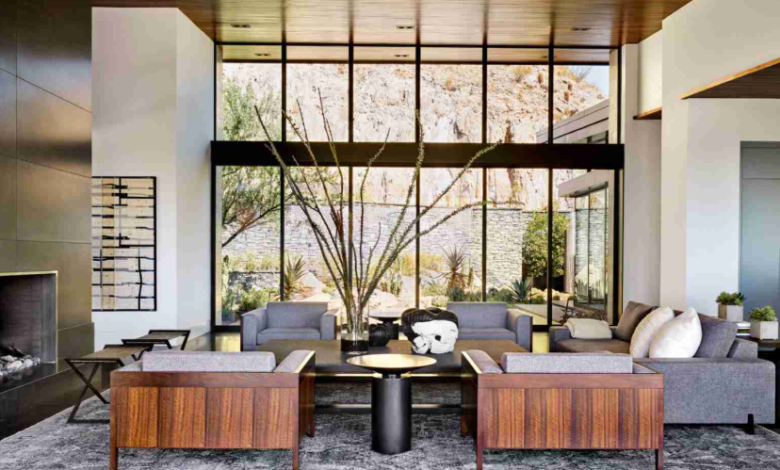
Interior design is changing because the way people use their homes is changing. A home is no longer simply a place to sleep, eat, and relax. It can be an office in the morning, a classroom in the afternoon, an entertainment space in the evening, and a social setting at night. This evolution is influencing everything from spatial planning to furniture selection.
In this context, wooden furniture interiors are gaining relevance because they can bring warmth, functionality, and lasting visual appeal into spaces designed around modern lifestyles. The emphasis has shifted from creating rooms that simply look beautiful to developing interiors that work efficiently for the people living in them. This means understanding routines, storage needs, technology, comfort, and personal preferences before making design decisions.
From Decorative Spaces to Functional Environments
Interior design is moving beyond aesthetics towards practical, people-focused spaces. Homeowners increasingly want refined interiors that support daily routines, particularly in urban homes where space is limited. Designers now prioritise efficient movement, smart storage, functional layouts, and strategic furniture placement to maximise usability without compromising visual appeal.



Some of the priorities shaping modern planning include:
- Efficient circulation: Furniture placement should allow people to move comfortably without creating unnecessary obstacles.
- Purpose-driven storage: Cabinets, wardrobes, and shelving are being designed around actual household requirements.
- Multifunctionality: A single area may need to accommodate work, relaxation, dining, or entertainment.
- Visual balance: Practical additions should not make a room appear overcrowded.
One Room, Multiple Possibilities
Modern homes are shifting towards flexible layouts that accommodate changing needs rather than fixed room functions. Hybrid work, online learning, compact spaces, and evolving routines encourage multifunctional areas. Spare bedrooms can become offices, while dining and living spaces can support studying, exercising, entertaining, and relaxation throughout the day.
Designers are responding with solutions such as:
- Foldable or movable furniture
- Sliding partitions
- Built-in storage
- Compact workstations
- Convertible seating
- Layered lighting systems
Furniture Is Becoming Part of the Architecture
Furniture is increasingly planned as part of the overall interior rather than added afterward. Custom wardrobes, storage units, desks, and shelving can be tailored to a room’s dimensions, improving space utilisation, reducing awkward gaps, enhancing storage, and creating a cohesive relationship between furniture and the surrounding design.
There are three important advantages to this approach:
- Better space utilisation: Furniture can be designed to fit the available dimensions instead of forcing the room to accommodate standard sizes.
- Greater personalisation: Materials, finishes, proportions, and configurations can reflect the homeowner’s preferences.
- Visual continuity: Different furniture elements can follow a consistent design language throughout the home.
Natural Materials Are Finding a Modern Place
Contemporary interiors often combine glass, metal, stone, laminates, and engineered finishes, yet natural materials continue to bring warmth and texture into residential spaces. Wood is particularly versatile, complementing minimalist, modern, and sophisticated interiors. Clean-lined cabinetry can create a refined look, while detailed furniture can add character and depth.
Rather than using wood throughout an entire home, designers are increasingly incorporating it selectively. A wooden dining table can become a focal point, while timber-finished storage can soften neutral interiors. Similarly, a wooden partition can define areas without making them feel enclosed. This balanced approach allows natural materials to enhance contemporary interiors thoughtfully.
Technology Is Becoming Less Visible
Technology is integral to modern homes, but thoughtful planning can prevent devices, cables, and equipment from creating visual clutter. Designers now integrate technology early to maintain convenience while preserving a clean, cohesive interior.
What designers are considering
- Concealed cable management.
- Integrated charging points.
- Built-in television and entertainment units.
- Smart lighting controls.
- Strategically positioned electrical outlets.
- Dedicated work-from-home zones.
Comfort and Wellness Are Shaping Interior Decisions
Spending more time at home has encouraged people to think differently about comfort. A visually impressive space may not feel successful if it is poorly lit, difficult to organise, noisy, or uncomfortable to use.
As a result, wellness is increasingly being considered through everyday design decisions.
- Natural light can make rooms feel more open and pleasant during the day.
- Ventilation contributes to a fresher and more comfortable indoor environment.
- Ergonomic furniture becomes particularly important in dedicated workspaces.
- Acoustic planning can help create quieter areas for work, relaxation, or rest.
- Greenery and natural textures can add visual softness to contemporary interiors.
See also: Public Liability Claims Under Australian Negligence Law
Sustainability Is Moving Beyond a Trend
Sustainability is influencing material and furniture choices, with homeowners prioritising durability and longevity. Well-crafted pieces can reduce frequent replacements, provide lasting value, and help interiors remain functional and relevant as lifestyles, preferences, and design trends evolve.
Modern sustainable thinking can involve:
- Choosing durable materials.
- Prioritising long-lasting furniture.
- Reducing unnecessary construction waste.
- Selecting adaptable designs.
Personal Expression Is Replacing Formulaic Trends
Social media offers endless interior inspiration, but homeowners increasingly seek individuality. Instead of copying trends, they prefer spaces that express their personality, lifestyle, preferences, and experiences through distinctive design choices.
That can mean incorporating:
- Family heirlooms alongside contemporary furniture.
- Artwork that has personal significance.
- Colours connected to individual preferences.
- Furniture designed around specific habits.
Designing for Change, Not Just the Present
One of the biggest lessons from changing lifestyles is that a home should not be designed as though life will remain static. Families grow. Work patterns change. Children become teenagers. Technology evolves. Storage requirements increase. A room that works perfectly today may need a different purpose several years later.
Forward-thinking interior design therefore considers adaptability from the beginning. Flexible furniture, expandable storage, neutral foundations, and multifunctional spaces can make an interior easier to modify without requiring a complete redesign. This approach also encourages homeowners to invest more thoughtfully. Instead of constantly replacing furniture and finishes, they can create a strong foundation that evolves with changing needs.
What the Future of Interior Design Will Look Like
The future is likely to be less about following a single design movement and more about creating responsive environments. Technology will become increasingly integrated. Furniture will become more personalised. Sustainable materials and durable construction will receive greater attention. Flexible spaces will become increasingly important as homes continue to accommodate multiple aspects of daily life.
Most importantly, the relationship between aesthetics and functionality will become closer. A successful interior will need to answer practical questions while still creating an emotional and visual experience. It should make storage easier, movement smoother, work more comfortable, and relaxation more natural without losing its sense of identity.
Conclusion
Interior design is adapting because modern life demands more from the spaces people inhabit. Homes now need to accommodate work, relaxation, technology, entertainment, storage, and personal expression within increasingly practical layouts. This has encouraged designers to focus on flexibility, functionality, natural materials, personalised furniture, wellness, sustainability, and long-term usability. Rather than creating interiors around temporary trends, the emphasis is shifting towards spaces that can evolve with their occupants.
WeDeZine Studio approaches this changing landscape by combining interior design thinking with personalised furniture solutions, helping homeowners create spaces that are practical, distinctive, and aligned with the way they live today. Its expertise in custom furniture manufacturing in Bangalore further supports the creation of furniture tailored to individual spaces and lifestyle requirements.