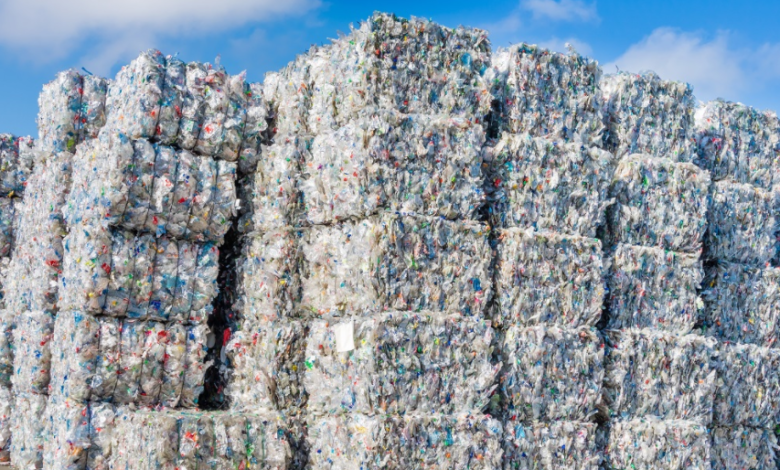
For many manufacturers, plastic scrap has traditionally been viewed as an unavoidable cost of doing business. Defective parts, purge material, startup waste, runners, excess inventory, and production changes often end up filling Gaylord boxes or dumpsters with little thought beyond disposal.
That mindset is beginning to change.
Across North America, manufacturers are increasingly recognizing that many industrial plastics have measurable market value when properly sorted and managed. Materials like HDPE, polypropylene (PP), and high molecular weight polyethylene (HMW) are no longer viewed simply as waste—they’re becoming part of a broader strategy to improve operational efficiency, reduce landfill costs, and recover revenue from existing manufacturing processes.




Industrial Plastic Isn’t the Same as Consumer Recycling
When people hear “plastic recycling,” they often picture household recycling bins filled with bottles and food containers.
Industrial recycling is very different.
Manufacturing facilities frequently generate clean, consistent plastic scrap during normal production. Because the material has never been used by consumers, it is often significantly easier to recycle into new industrial products.
Examples include:
- Injection molding runners and sprues
- Blow molding flash
- Thermoforming trim
- Purge material
- Off-spec production
- Warehouse pallets and totes
- Plastic drums and containers
- Excess virgin resin
- Regrind
- Obsolete inventory
These materials often retain considerable value when properly separated by resin type and contamination is minimized.
HDPE Continues to Be One of the Most Valuable Industrial Plastics
High-density polyethylene (HDPE) remains one of the most commonly recycled industrial plastics because of its durability, widespread use, and consistent demand.
Manufacturers generate HDPE scrap from products such as:
- Containers
- Drums
- Totes
- Pallets
- Industrial packaging
- Blow molded products
- Injection molded components
Clean HDPE can often be reprocessed into new industrial products, reducing demand for virgin resin while keeping usable material within the manufacturing economy.
Polypropylene (PP) Is Everywhere in Manufacturing
Polypropylene has become one of the most versatile engineering plastics used today.
Manufacturers rely on PP because it offers:
- Chemical resistance
- Low weight
- Excellent fatigue performance
- Good dimensional stability
- Competitive material costs
Production scrap frequently comes from:
- Automotive components
- Consumer products
- Medical packaging
- Industrial containers
- Furniture
- Packaging applications
Instead of paying landfill fees, many manufacturers are finding that properly separated PP scrap can become an additional revenue source.
HMW Plastic Plays an Important Role
High Molecular Weight Polyethylene (HMW) is commonly used where impact resistance and durability are critical.
Industries often use HMW for:
- Thermoformed packaging
- Bulk containers
- Agricultural products
- Material handling equipment
- Industrial storage solutions
Like HDPE, clean HMW scrap is often highly recyclable when it remains uncontaminated.
The Financial Impact Is Often Larger Than Expected
Many manufacturers only evaluate the direct cost of purchasing resin.
Few calculate the hidden costs associated with scrap disposal:
- Dumpster rental
- Transportation
- Landfill tipping fees
- Employee labor
- Storage space
- Lost material value
A facility generating several truckloads of clean plastic scrap each year may unknowingly be disposing of material that has resale value.
Recovering even a portion of those costs can improve margins without increasing production.
Better Scrap Management Improves Operations
Facilities that successfully recycle industrial plastics usually share several best practices.
Separate Materials
Avoid mixing HDPE, PP, HMW, ABS, PET, nylon, and other resin types whenever possible.
Keep Material Clean
Oil, metal, paper, labels, food residue, and other contaminants reduce recycling value and may limit processing options.
Store Material Indoors
Keeping plastic dry helps preserve quality and reduces contamination from weather and debris.
Maintain Consistent Loads
Consistent volumes make transportation more efficient and simplify long-term recycling partnerships.
See also: The Boston Business Upgrade Nobody Talks About Enough
Sustainability and Business Performance Can Work Together
Environmental initiatives are often viewed as compliance requirements.
In reality, industrial recycling frequently supports both sustainability goals and financial performance.
Benefits may include:
- Reduced landfill waste
- Lower disposal expenses
- Improved ESG reporting
- Reduced reliance on virgin materials
- Stronger supply chain resilience
- Additional revenue from recyclable plastics
Instead of viewing recycling as an expense, many manufacturers now consider it part of overall operational efficiency.
Choosing the Right Recycling Partner
Not every recycler accepts industrial plastics in the same quantities or material types.
Manufacturers should look for partners that understand:
- Resin identification
- Material grading
- Transportation logistics
- Industrial manufacturing processes
- Consistent purchasing programs
Companies handling larger volumes often benefit from working with industrial recyclers that specialize in post-industrial plastics rather than general recycling programs.
For manufacturers generating HDPE, polypropylene, HMW, and other industrial plastic scrap, organizations such as Seraphim Plastics specialize in purchasing and recycling post-industrial materials from manufacturers across multiple industries. Working with an experienced industrial recycler can help companies recover more value from materials that might otherwise become waste.
Looking Ahead
As resin prices fluctuate and manufacturers continue searching for operational efficiencies, industrial plastic recycling is becoming less about environmental responsibility alone and more about smart business management.
Facilities that identify recyclable plastics early, maintain material quality, and establish reliable recycling processes are often better positioned to reduce waste, recover value, and operate more efficiently.
For many manufacturers, yesterday’s scrap is increasingly becoming tomorrow’s inventory.
Written by Mathew Zachariah
Industrial Plastic Recycling Owner at Seraphim Plastics