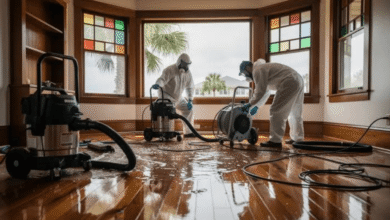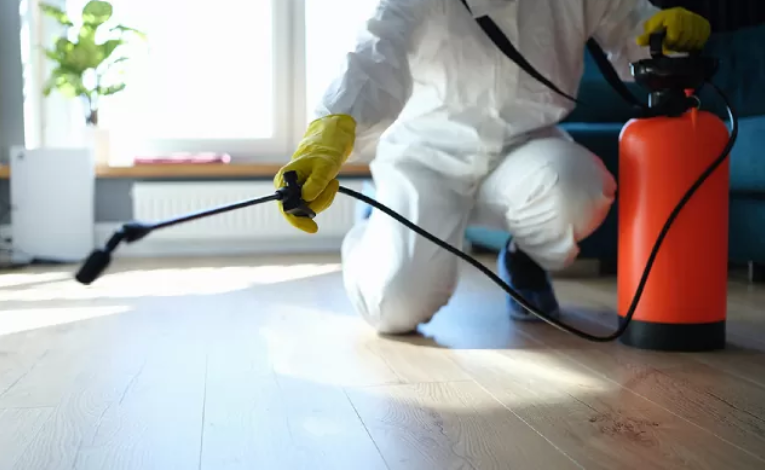
Booking a pest inspection often feels like an unnecessary step — why pay someone to look at a problem you cannot even see yet? But a professional inspection is less about spotting an active infestation and more about catching the early evidence that a DIY glance around the kitchen will miss entirely. Here is what actually happens during one, and when it is worth scheduling.
The visit typically starts with a walkthrough of the areas most prone to pest activity: kitchens, bathrooms, storage rooms, and any space with plumbing, since moisture and food sources are the two things that draw pests into a home in the first place. A technician checks entry points around windows, door frames, and utility penetrations, looks for droppings, gnaw marks, or nesting material in concealed spaces, and inspects for termite indicators such as mud tubes or hollow-sounding timber where relevant. In HDB flats, particular attention goes to shared walls, ceiling voids, and pipe risers, since these are common pathways for pests moving between units.
Beyond the visual check, a proper inspection also involves some diagnostic work. This might include probing suspect timber for termite damage, checking bait stations if any are already present, or using a torch to examine dark, undisturbed areas like the space behind a refrigerator or beneath a kitchen sink. The goal is to build a full picture of risk, not just confirm what you already suspected.


What you get afterward matters as much as the visit itself. A proper inspection produces a written report — what was found, where, and what (if anything) needs treatment or monitoring. This documentation is useful beyond the immediate moment: it becomes a reference point for future visits, a record for a landlord or property agent, and in commercial settings, evidence of due diligence during an audit.
So when is an inspection actually worth booking, rather than waiting until symptoms appear? Three situations stand out. Before moving into a new home, an inspection establishes a clean baseline and catches any pre-existing issues before they become your problem. Before renovation, it identifies termite activity or moisture issues that could otherwise be sealed behind new walls or flooring, making a future infestation far more expensive to treat. And before renewing a lease, a report protects both tenant and landlord by documenting the property’s condition at a specific point in time.
This kind of preventive check aligns with how Singapore’s own pest management framework is structured — routine surveillance and early intervention are core to how vector control is approached here, rather than waiting for a confirmed infestation before acting (National Environment Agency, 2026). The logic holds across most pest categories: catching a problem early is cheaper and less disruptive than catching it late.
An inspection is also a natural entry point if you are unsure what you are dealing with. If unusual sounds or marks have you wondering whether it is time to call in professional rodent control in Singapore, or if you are simply due for routine maintenance under a commercial pest control contract, starting with an inspection means any recommended treatment is based on actual findings rather than guesswork. Booking a professional pest inspection Singapore homeowners and businesses trust is often the simplest first step — the report it produces becomes the basis for whatever treatment follows, rather than a guess made on the spot.
See also: Public Liability Claims Under Australian Negligence Law
A pest inspection does not require a visible problem to be worthwhile. Some of the most useful inspections happen when nothing looks wrong yet — that is precisely when catching an early sign saves the most money and hassle down the line.