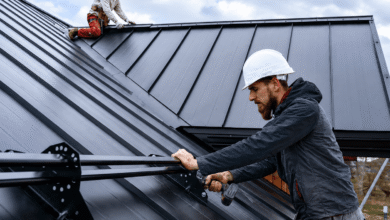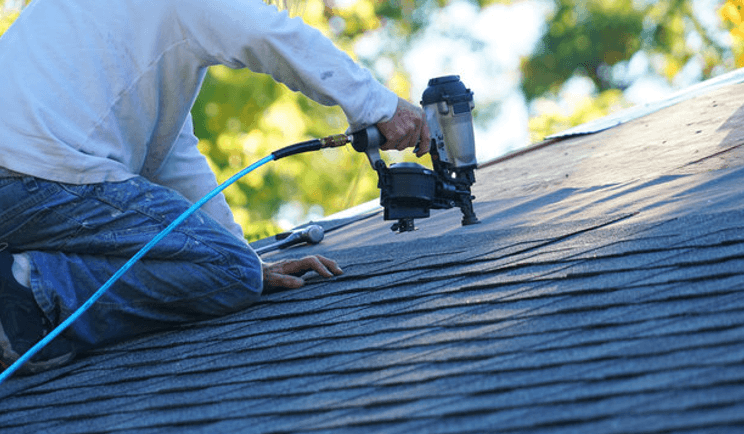
A commercial roof is exposed to sun, rain, wind, and changing temperatures throughout the year, and even the most durable roofing systems can develop problems over time. Routine commercial roof inspections are important because they help businesses identify potential roofing issues before they lead to expensive repairs or operational disruptions.
Many property owners do not think about their roof until a leak appears. However, waiting for visible signs of damage often means the problem has already progressed.
Companies such as Galloway Roofing often emphasize routine inspections because they help uncover hidden issues while they are still manageable and less costly to repair. These roofing contractors help protect the building, reduce risk, and ensure the roof continues to perform as intended.


Keep reading to understand why this is important.
Preventing Small Problems from Becoming Major Repairs
One of the main reasons commercial roof inspections matter is that they allow roofing contractors to spot minor damage early. Small cracks, loose flashing, damaged seams, or worn roofing materials can often be repaired quickly when detected in time.
Water intrusion is one of the biggest threats to any commercial property. Even a small opening in the roofing system can allow moisture to enter the building and affect insulation, ceilings, walls, and valuable assets.
Routine inspections help identify vulnerable areas before they develop major issues.
Extending the Life of the Roof
A commercial roof is a significant investment, so it makes sense to protect it. Regular inspections help ensure that normal wear and tear is addressed before it shortens the roof’s lifespan.
When maintenance issues are handled promptly, roofing systems often last longer and perform more reliably. This can delay the need for a costly roof replacement, improve the return on investment, and eventually extend the property’s life.
Reducing Unexpected Expenses
Unexpected roofing emergencies can strain maintenance budgets and disrupt business planning. Emergency repairs are often more expensive because they require immediate attention and may involve more extensive damage.
Routine inspections allow property owners to plan. Knowing the condition of the roof makes it easier to schedule repairs and allocate funds before problems become urgent.
Maintaining Business Continuity
Roof failures can affect much more than the building itself. Leaks and structural issues can interfere with daily operations, damage inventory, and create inconveniences for employees and customers.
Regular inspections help minimize the risk of unexpected roofing problems that could interrupt normal business activities.
See also: Why Every Home Should Have A Backup Generator
Improving Energy Performance
A roof plays an important role in a building’s overall energy efficiency. Damaged roofing materials, trapped moisture, or compromised insulation can make heating and cooling systems work harder than necessary.
Routine inspections help identify conditions that may be reducing energy performance. Addressing these issues can contribute to a more comfortable and efficient commercial space.
Key Takeaways
Routine inspections are a practical way to protect a commercial property’s long-term value.
- They help detect roofing issues before they become serious.
- They reduce the risk of leaks and water-related property damage.
- Regular evaluations can help extend the lifespan of a commercial roof.
- Inspections make it easier to budget for maintenance and repairs.
- They help prevent disruptions to daily business operations.
- A well-maintained roof can support better energy efficiency.
For proper roof assessments, consulting a professional roofing contractor is always a smart approach.