You walk around your home one weekend and notice that a timber skirting board sounds hollow when tapped. A door no longer closes properly, and there are faint mud-like lines near the foundation. These signs may seem minor, but they can indicate termite activity that has been developing for months. At this stage, arranging a professional pest control service can help identify whether termites or other hidden pests are active before the problem becomes more serious.
By the time visible damage appears, termites may have already caused extensive structural harm. This is why regular inspections are not simply a precaution. They are an essential part of protecting homes from one of Australia’s most destructive pests.
Why Homes Face Ongoing Termite Risks
Many homeowners assume termites are only a problem in older properties or rural areas. In reality, termites can affect homes of all ages. Moist soil, timber landscaping, leaking pipes, poor ventilation, and garden beds positioned close to buildings can all create conditions that attract termite colonies.



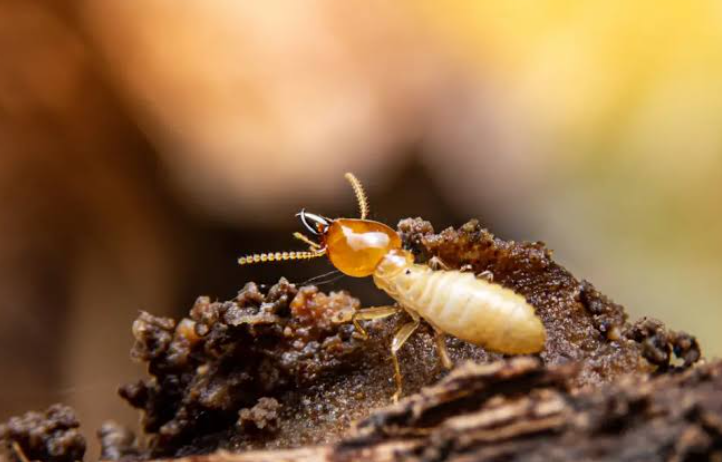
Termites work silently inside timber, wall cavities, and subfloors, making them difficult to detect without a thorough inspection. They often leave the outer surface of timber intact while consuming the inside, meaning damage may remain hidden until it becomes significant.
Termites are widely recognised as one of the most damaging pests affecting Australian properties. In many cases, termite damage is also not covered by standard home insurance policies, which makes regular inspections even more important for long-term property protection.
The Importance of Annual Inspections
An annual termite inspection allows potential problems to be identified before major structural damage occurs. Professional inspections focus on detecting active termites, previous termite activity, and conditions around the property that may increase the likelihood of an infestation.
Australian Standard AS 3660.2 recommends professional termite inspections at least once every 12 months, with more frequent inspections advised for higher-risk properties or homes with previous termite activity.
During an inspection, accessible roof voids, subfloors, wall timbers, skirting boards, gardens, fences, and other vulnerable areas are carefully examined for signs of infestation.
Finding termite activity early often allows treatment before widespread damage occurs, helping homeowners avoid costly repairs.
Early Detection Saves Significant Repair Costs
Termites rarely announce their presence. A colony may remain active inside a building for many months before visible warning signs appear. During that time, structural timbers, flooring, door frames, and wall supports may be gradually weakened.
Repairing termite damage can become extremely expensive, especially when structural elements need to be replaced. Since many Australian insurance policies exclude termite damage, homeowners are generally responsible for repair costs themselves.
Regular inspections represent a practical investment compared with the financial impact of extensive repairs. They also provide valuable documentation of the property’s condition, making it easier to monitor changes over time.
What Professionals Look For During an Inspection
A professional inspection goes beyond simply searching for live termites. Inspectors assess the overall environment to identify factors that may encourage termite activity.
Moisture problems are a major concern because termites thrive in damp conditions. Leaking plumbing, poor drainage, blocked gutters, and inadequate ventilation can all increase risk.
Inspectors also look for timber in direct contact with soil, damaged tree stumps, untreated timber structures, and landscaping that may provide concealed access to the home.
Advanced detection equipment such as moisture meters, thermal imaging cameras, and radar-based detection systems may also be used to identify hidden termite activity that cannot be seen during a standard visual inspection.
Prevention Is More Effective Than Waiting for Damage
Many homeowners only consider treatment after discovering visible termite damage. Unfortunately, by that stage, termites may have already established large colonies and caused substantial structural deterioration.
Preventative inspections allow homeowners to address favourable conditions before termites become established. Simple maintenance, such as repairing leaks, improving drainage, removing timber debris, and maintaining termite barriers, can significantly reduce the likelihood of infestation.
Where ongoing monitoring or treatment is required, seeking advice on termite control can help homeowners understand suitable inspection schedules, preventative measures, and treatment options based on their property’s level of risk.
Homes With Existing Termite Protection Still Need Inspections
Some homeowners believe that installing a termite barrier removes the need for future inspections. However, no termite management system offers permanent protection without ongoing monitoring.
Barriers can become compromised through landscaping changes, building alterations, soil movement, tree roots, or natural wear over time.
Annual inspections help confirm that protective systems remain effective while also checking for new termite activity or environmental changes that may increase risk. Regular inspections may also be required to maintain certain termite management warranties.
Maintaining both physical protection and regular inspections provides a stronger defence than relying on either approach alone.
Protecting Your Home for the Long Term
A home is one of the largest financial investments most people will ever make. Protecting its structural integrity requires ongoing attention, particularly in areas where termites remain an active risk.
Annual termite inspections provide an opportunity to identify hidden infestations, detect favourable conditions early, and recommend practical maintenance before expensive damage develops.
Rather than waiting for obvious warning signs, routine inspections support long-term property maintenance and help reduce the likelihood of significant structural repairs in the future.
See also: Cleveland Business Tech Services: Local Expertise, Global Infrastructure
FAQs
How often should homes have a termite inspection?
Australian Standard AS 3660.2 recommends a professional termite inspection at least once every 12 months, with more frequent inspections for higher-risk properties.
Can termites affect newly built homes?
Yes. New homes are not immune. Termites can enter any property if suitable conditions exist, including moisture problems, timber-to-soil contact, or gaps in protection systems.
Will home insurance cover termite damage?
In many cases, standard Australian home insurance policies do not cover termite damage. This makes prevention, regular inspections, and early detection especially important.
What are the early signs of termite activity?
Common signs include mud tubes, hollow-sounding timber, discarded wings, tight-fitting doors or windows, and damaged wooden structures.
Do termite barriers remove the need for inspections?
No. Termite barriers require regular monitoring because they can become compromised over time. Annual inspections remain an important part of termite management.
What areas are inspected during a professional termite inspection?
Inspectors typically examine accessible roof voids, subfloors, internal timber, external structures, gardens, fences, moisture-prone areas, and other locations where termites commonly enter or nest.