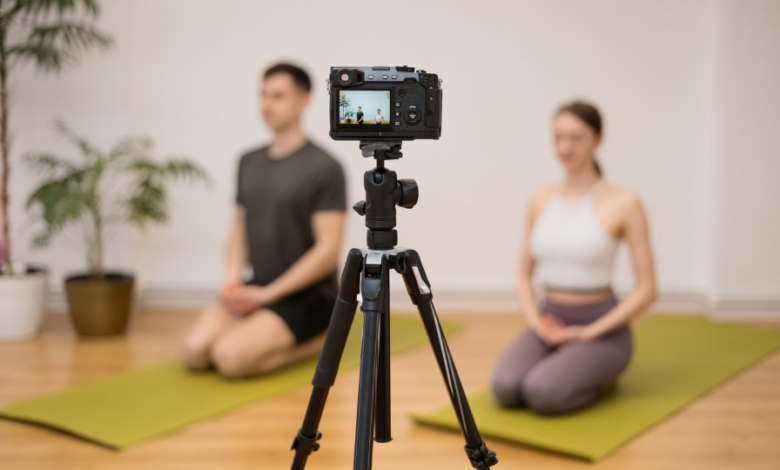
A good camera tripod is more than just an accessory—it’s an essential tool for photographers and videographers seeking stability, precision, and creative flexibility. Reliable camera tripods help eliminate camera shake and allow creators to achieve sharper images and smoother footage in a wide range of shooting conditions. Whether you’re capturing landscapes, shooting long exposures, or recording professional videos, choosing the right tripod can dramatically improve the quality of your work. In Singapore, where photography ranges from urban street shots to scenic landscapes, understanding the key features and considerations when buying a tripod is essential.
Understanding the Importance of a Tripod
Tripods provide stability that handheld cameras simply cannot achieve. Even the steadiest hands can introduce slight movements that affect image clarity, especially in low-light conditions or when using long focal lengths. A tripod eliminates camera shake, enabling sharper images, consistent framing, and smoother videos.
Beyond stability, tripods allow for creative flexibility. They make it possible to capture long exposures, panoramic shots, and precise compositions. They are also vital for time-lapse photography, astrophotography, and professional video recording, where consistency and repeatability are crucial.


Key Features to Consider
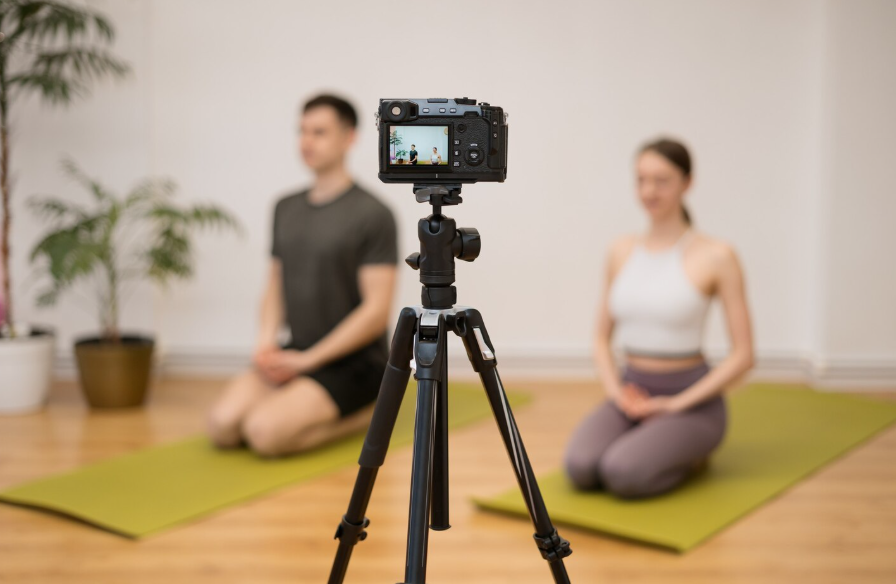
When selecting a tripod, several factors need careful consideration. First is stability. A tripod must support the weight of your camera and any additional equipment like lenses, flashes, or microphones without wobbling. Materials such as aluminium and carbon fibre offer strength while keeping the tripod lightweight. Carbon fibre tripods are typically more expensive but provide superior durability and portability.
Height is another important consideration. Tripods vary in maximum and minimum height, affecting the angles and perspectives you can achieve. Adjustable legs and centre columns allow for flexible positioning, making it easier to shoot from low or high vantage points. Choosing a tripod that suits your height and shooting style ensures comfort and practicality during extended use.
Portability is essential, especially for photographers who travel or work in urban environments. Tripods that are lightweight, compact, and easy to carry reduce fatigue and make transportation simpler. Some models feature foldable designs, carrying cases, or quick-release mechanisms for rapid setup and pack-up.
Tripod Heads
The tripod head determines how smoothly and precisely you can adjust your camera’s position. Ball heads offer flexibility, allowing quick movement in multiple directions, and are ideal for general photography. Pan-and-tilt heads provide more controlled, precise adjustments and are commonly used in video recording and architectural photography. Some tripods also come with fluid heads, which ensure smooth motion for cinematic video shots.
See also: Learn Life-Saving Skills with Professional Training
Weight Capacity and Load Considerations
It is crucial to match the tripod’s weight capacity with your camera and accessories. Overloading a tripod can lead to instability, camera shake, or even damage to equipment. Professionals using DSLRs with heavy lenses, microphones, or lighting equipment should prioritise tripods with higher load ratings, while hobbyists or smartphone photographers can opt for lighter models with lower weight capacities.
Additional Features
Modern tripods often come with added features that enhance usability. Some include adjustable leg angles, spiked feet for outdoor terrain, or reversible centre columns for macro photography. Quick-release plates simplify mounting and dismounting cameras, saving time and effort during shoots. Water-resistant or weatherproof designs are particularly beneficial for outdoor photography in Singapore’s tropical climate.
Final Thoughts
Investing in the right tripod is essential for achieving professional-quality photography and videography results. By considering stability, height, portability, tripod heads, weight capacity, and additional features, photographers can select a tripod that meets their needs and enhances their creative capabilities. Whether shooting in studios, urban streets, or natural landscapes, a reliable tripod is an indispensable tool that improves image clarity, precision, and overall workflow.
FAQs
What type of tripod is best for outdoor photography?
Lightweight, portable tripods made of carbon fibre with adjustable legs and weather-resistant features are ideal for outdoor shoots.
Can I use a tripod with my smartphone?
Yes, many tripods offer smartphone mounts or adapters, making them compatible with both cameras and phones.
Do all tripods come with interchangeable heads?
Not all tripods do, but most professional models allow you to change or upgrade the head to suit your shooting needs.
How do I ensure stability with heavy camera equipment?
Choose a tripod with a high load capacity, sturdy materials, and a wide leg spread to support the weight of your camera and accessories.