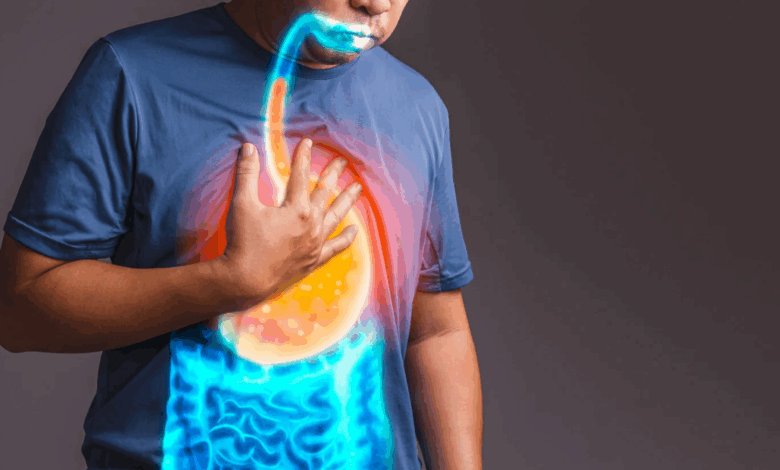
Gastroesophageal reflux disease, or GERD, is a chronic condition where stomach acid frequently flows back into the esophagus, causing discomfort and potential complications if left untreated. For individuals experiencing persistent symptoms, professional care for GERD reflux in Baltimore can provide effective relief and long-term solutions. Understanding the treatment process helps patients feel more prepared and confident as they begin their journey toward better digestive health.
Understanding the Nature of GERD
GERD differs from occasional acid reflux in that symptoms occur more frequently and may lead to complications such as esophagitis, strictures, or even Barrett’s esophagus. Persistent heartburn, regurgitation, chest pain, and difficulty swallowing are common signs. By learning the distinctions between GERD vs. acid reflux, patients can better recognize when professional intervention is needed and what treatment approaches might be most effective.
Initial Consultation and Evaluation
The first step in treatment involves a thorough consultation with a specialist. During this visit, your medical history will be reviewed, and a physical examination will be conducted. Diagnostic tests such as endoscopy, pH monitoring, or esophageal manometry may be recommended to confirm the diagnosis and assess the severity of the condition. This evaluation ensures that the chosen treatment plan is tailored to your specific needs.


Non-Surgical Treatment Options
In many cases, GERD symptoms can be managed through non-surgical methods. Physicians may recommend dietary adjustments, such as avoiding trigger foods like spicy dishes, caffeine, and alcohol. Lifestyle changes, including weight management and elevating the head of the bed, can also help reduce nighttime reflux. Medications like proton pump inhibitors (PPIs) or H2 blockers are often prescribed to reduce stomach acid and promote healing of the esophageal lining.
When Surgery Becomes Necessary
For patients whose symptoms persist despite lifestyle and medication adjustments, surgical intervention may be the most effective solution. Procedures such as laparoscopic reflux repair or hiatal hernia repair aim to restore proper function to the lower esophageal sphincter, preventing acid from flowing back into the esophagus. These minimally invasive techniques often result in shorter recovery times and reduced discomfort compared to traditional surgery.
Recovery and Long-Term Management
Post-treatment recovery varies depending on the chosen approach. Patients undergoing surgery may resume normal activities within a few weeks, while those on medication can experience symptom relief within days. Long-term management often includes periodic follow-up visits to monitor symptom control and prevent recurrence. Maintaining healthy eating habits, managing weight, and avoiding known triggers remain essential for lasting results.
Read Also: Health Scare Synonym: Enhance Your Vocabulary With Synonyms for Health Scare
Conclusion
GERD reflux treatment is a personalized process that begins with accurate diagnosis and continues through tailored medical or surgical care. By understanding the nature of the condition, exploring all available treatment options, and committing to long-term management strategies, patients can achieve lasting relief and improved quality of life.