Toilet clogs don’t really ask for permission to choke your drains. They happen when you’re running late, expecting guests, or halfway through brushing your teeth. You glance down, flush once, then again—and nothing moves in the drain. Or worse, it rises. Your first thought might be to panic. The second? Probably a quick search for “clogged toilet repair near me.”
But before you type that in, there’s something to consider. Maybe you don’t need a plumber just yet. Perhaps this is one of those times when a bit of quick thinking actually helps.
Don’t Reach for the Flush Again
If the bowl’s already full, do yourself a favour and resist the urge. A second flush often turns an inconvenience into a full-blown mess. Water spills, the smell spreads. Towels are sacrificed.



Instead, lift the tank lid and press the flapper down gently. That stops more water from filling the bowl. It’s a small move, but one that buys time to figure out what comes next.
Find the Right Plunger (Yes, There’s a Difference)
This part surprises people. Not all plungers are the same. That red one with the flat bottom? Probably better for sinks. What you want here is a plunger with a flexible flange—those foldable rubber lips that actually fit inside the toilet drain.
Here’s a quick method that usually helps:
- Ensure there’s enough water to cover the plunger
- Place it in, push down slowly
- Then work up a few strong thrusts and release
- Repeat, wait a moment, and listen for a gurgle
It may take a few tries. If nothing happens, don’t be discouraged yet.
See also: Home Improvement Patio Furniture: Elevate Your Outdoor Space
Pour in Hot Water and Dish Soap
This isn’t a plumbing trick; it’s more like a kitchen hack that happens to work in bathrooms. Start by squirting some dish soap into the bowl—half a cup or so. Then follow it with a jug of hot water. Not boiling, just hot enough that you’d avoid dipping your hand in it.
Let it sit. Ten minutes. Maybe fifteen. You’ll hear a shift if it starts breaking down the clog. And sometimes, that’s all it takes.
Stop and Think—What Caused It?
Toilet paper is designed to break down in water. Other things aren’t. If someone flushed wipes, paper towels, or something plastic, a plunger may not be enough.
Even if it seems sudden, some clogs build slowly. A toy, a stray shampoo cap, or even those toilet fresheners that hang inside the rim—any of those can lodge in the bend and start collecting debris.
Please Avoid Liquid Drain Cleaners
Yes, they’re on the shelf for emergencies. But toilets are different. Most liquid cleaners are too corrosive, especially for older pipes or delicate seals. Plus, if you do end up calling someone, that chemical mix sitting in the bowl becomes a risk for their safety and yours.
If you’ve already poured one in, step back. Don’t touch anything else. Wait for the liquid to settle, or better yet, flush it out when safe.
When Nothing Works, a Plumber Might Be the Only Option
Sometimes, you can try everything and still not see results. If the water isn’t draining—or worse, you start hearing bubbling sounds in your sink or shower—it might mean there’s a deeper issue. A blockage somewhere further down the line.
At that point, typing “clogged toilet repair near me” might be your best move. Mainly, if it’s affecting multiple drains or you’ve tried all the basics.
What a Sewer Camera Inspection Can Reveal
Most plumbing isn’t visible. You can guess what’s wrong, but only so much. This is where a sewer camera inspection becomes useful. It allows a professional to send a camera down the line and see exactly what’s going on.
They can spot collapsed pipes, root intrusion, or objects that aren’t moving. It’s non-invasive and makes repairs easier, faster, and more accurate.
Toilet Auger: A Step Up from the Plunger
A toilet auger is another tool that helps when plunging doesn’t work. It’s like a plumbing snake but explicitly built for toilets. The curved tip fits the drain, and the metal cable can reach deeper blockages or retrieve objects.
If you’ve dealt with clogs more than once, it’s not a bad tool to have around. Just be careful not to use it forcefully—it’s easy to damage the porcelain.
Quick Checklist Before You Search
Let’s simplify. Before rushing to Google, ask yourself:
- Did you try with a proper flange plunger?
- Have you poured hot water with dish soap?
- Any chance someone flushed something they shouldn’t have?
- Are other drains working normally?
- Did you avoid chemical cleaners?
If yes to all of the above, and the clog still won’t budge, it’s probably time to search for help nearby.
Why Quick Action Matters More Than You Think
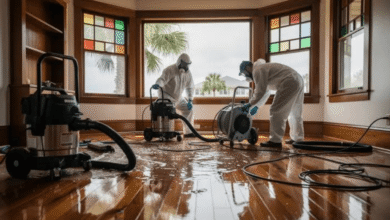
Toilet water doesn’t just go away. It seeps. Into tile, under floors, into drywall. The longer it sits, the more it spreads. It’s not just about smell or inconvenience—it’s about damage that builds silently.
And it’s not just about this clog either. Recurring blockages could point to larger drainage issues.
Sometimes people wait, hoping it clears on its own. It can. But it also might not. And waiting turns a quick fix into a full-floor repair.
Final Thought
Most toilet clogs are manageable. They feel dramatic, but they’re usually solvable with basic tools and a bit of patience. What matters is knowing where the line is. Try the simple steps first. If they don’t work, don’t wait too long. The goal isn’t just to fix the problem—it’s to keep it from becoming a bigger one.