1. the Power of Natural Light in Modern Homes
Natural light is one of the most influential design elements for creating brighter, more open living spaces. It not only enhances the aesthetic appeal of your home but also significantly impacts your mood, well-being, and energy consumption. Spaces filled with natural light feel larger, cleaner, and more inviting. Homeowners often underestimate how transformative the simple addition of daylight can be. By maximizing exposure to sunlight, you can instantly uplift the atmosphere of any room—whether it’s a cozy living room, a modern kitchen, or an open-plan extension.
In recent years, architects and designers have placed natural light at the centre of home design strategies. Large windows, skylights, glass doors, and reflective surfaces are now essential elements of contemporary interiors. These features invite sunlight to flow freely throughout the home, reducing the reliance on artificial lighting during the day. With smart planning and thoughtful design, you can create a home that feels vibrant and visually expansive. Natural light also brings out the true colours and textures of your interior décor, giving the environment a more harmonious and aesthetically pleasing finish.
2. Enhancing Spaces with Strategic Window and Skylight Placement
One of the most effective ways to create open and airy living spaces is through the strategic placement of windows, skylights, and Korniche roof lanterns. These architectural features serve as visual focal points while significantly boosting luminosity. Large-format windows, particularly floor-to-ceiling styles, blur the boundary between indoors and outdoors. They allow unobstructed views of the landscape and create a seamless connection that makes the space appear bigger. Similarly, bay windows and corner glazing introduce multidirectional light, offering a dynamic sense of openness throughout the day.

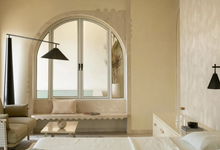


Skylights and roof lanterns are equally beneficial in bringing light into areas that traditional windows may not reach. These overhead features capture direct sunlight from above, ensuring even distribution across the room. A well-positioned skylight can illuminate dark hallways, staircases, or internal rooms without the need for structural walls to be removed. Roof lanterns, with their raised design and expansive glazing, act as architectural showpieces while enhancing vertical space. By incorporating these design solutions, homeowners can dramatically transform dim, confined areas into bright, inspiring spaces full of character and warmth.
3. Using Colour, Texture, and Interior Design to Expand Visual Space
Beyond structural upgrades, interior design plays a crucial role in making living spaces feel brighter and more open. Colour palettes significantly influence how large or small a room appears. Lighter shades such as whites, soft greys, pale blues, and neutral tones reflect sunlight, maximizing brightness and giving the illusion of additional space. These hues create a clean, modern aesthetic that allows other elements—like furniture and décor—to stand out without overwhelming the room.
Texture also contributes to the perception of openness. Glass, mirrors, and glossy finishes reflect light and create depth, making interiors feel expansive. By positioning mirrors opposite windows or in narrow hallways, you can double the sense of space while increasing natural illumination. Minimalist design practices also help reduce visual clutter and promote a more open feel. Choosing furniture with slim profiles, utilizing vertical storage solutions, and maintaining clear pathways ensure that the room remains functional without feeling crowded. Soft textiles, such as sheer curtains and lightweight fabrics, further enhance the airy atmosphere, allowing light to pass through without obstruction.
4. Smart Layout Planning for Open-Concept Living
The layout of your home is essential when crafting brighter, more spacious interiors. Open-concept floor plans have become immensely popular because they remove unnecessary barriers, allowing light to circulate freely. By eliminating walls or replacing them with partial dividers or glass partitions, you can create a fluid, interconnected space that feels larger and more welcoming. This layout style is especially effective in communal areas such as kitchens, dining rooms, and living rooms where family members gather.
Even in homes where structural changes are limited, smart furniture arrangement can make a significant difference. Positioning seating areas near windows, ensuring clear sightlines across rooms, and avoiding bulky furniture pieces helps maintain an open and harmonious flow. Introducing multi-functional furniture—such as extendable tables or modular sofas—can optimize the available space without sacrificing style or practicality. Lighting fixtures also play a role in zoning open-plan areas. Layered lighting with ceiling lights, floor lamps, and pendant lights adds depth and dimension while complementing the natural daylight that enters the room.
5. Incorporating Modern Glazing and Technology for Maximum Brightness
As technology continues to evolve, homeowners now have access to advanced glazing solutions and smart home integrations that further enhance brightness and openness. Modern glazing options, such as low-emissivity (Low-E) glass, reduce glare and heat while maintaining exceptional clarity. Solar-control coatings ensure that spaces remain comfortable throughout the year by regulating the amount of heat entering the home. These technologies allow for larger window installations without compromising energy efficiency.
Smart home systems also contribute to creating brighter and more open living environments. Automated blinds, for example, adjust according to sunlight levels, optimizing natural light throughout the day. Intelligent lighting systems allow homeowners to control brightness levels with precision, creating a seamless blend of natural and artificial light. Additionally, modern ventilation systems improve air circulation, helping maintain a fresh and healthy atmosphere that complements the openness of the space. Integrating technology with thoughtful design ensures that your home remains both functional and visually appealing. With the right combination of glazing, lighting, and layout planning, you can create a living space that feels bright, spacious, and truly modern.