Moving to a new area brings excitement and change. Yet for families adjusting to a new neighborhood, the process also involves uncertainty and emotional strain. New schools, routines, and social circles can take time to settle into. One simple way to feel more settled is by bringing new life into your home’s exterior, which helps create a welcoming first impression and fosters a sense of ownership. The good news is that thoughtful planning and small daily actions can help your family feel comfortable and connected quickly.
Below are practical, empathetic, and experience-based tips to help families build a sense of belonging in their new community.
How Families Adjusting to a New Neighborhood Can Feel at Home Faster
Settling into unfamiliar surroundings starts with intentional steps. Families adjusting to a new neighborhood should focus on three key areas: connection, comfort, and consistency. Making friends, creating familiar routines, and organizing the new home help everyone adapt emotionally and mentally.




Begin With Your Immediate Surroundings
Start by walking or driving around the area. Notice parks, local stores, schools, and libraries. Doing this together builds confidence and helps your children visualize their new environment. You’ll also discover shortcuts, community centers, and helpful services nearby.
Introduce Yourself to Neighbors
Simple greetings go a long way. Smile, say hello, and show interest in your neighbors’ recommendations about local stores or services. Many long-term residents are happy to share tips about the best grocery options, safe play areas, or reliable home service providers.
Get Involved Early
Attend local meetings, volunteer events, or parent groups. Joining these activities helps you learn about neighborhood traditions and gives your family an opportunity to meet others who share similar values.
See also: How to Choose the Right Roof for Your Home
Building Comfort and Stability in Your New Home
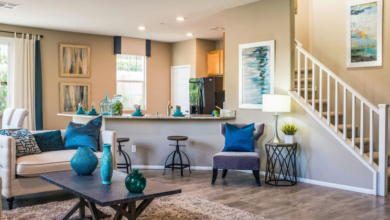
Creating a comfortable and familiar home helps everyone settle faster. Design welcoming spaces, such as a functional yet stylish living room where your family can relax together. A cozy, well-organized area with soft lighting and personal touches promotes comfort and helps everyone adjust with ease.
Unpack Essentials First
Start with the bedrooms and the kitchen. Having these areas organized gives a sense of stability and normalcy. Children often feel safer when they can find their favorite toys or bedtime items quickly.
Set Simple Routines
Try to maintain a consistent meal and bedtime hours. Familiar habits provide emotional security during big changes. Even small routines like a family walk after dinner or weekend breakfast together can create stability.
Personalize Your Space
Display family photos and art. Arrange rooms in ways that reflect your old home’s comfort while leaving space for new memories. A cozy environment supports emotional well-being and helps everyone feel grounded.
Helping Children Adjust Emotionally and Socially
Kids often feel the impact of relocation more deeply than adults. They leave behind familiar friends, schools, and teachers. Support them through empathy, patience, and involvement.
Encourage Open Communication
Ask how your children feel about the move. Listen carefully without rushing to fix every concern. Acknowledge their feelings of loss and reassure them that new friendships will come with time.
Stay Connected With Old Friends
Allow kids to stay in touch through video calls or letters. Furthermore, maintaining contact provides comfort during the transition.
Get Involved With School Activities
Introduce yourself to teachers and participate in school events. Doing this helps you understand your child’s new social circle and builds supportive relationships within the community.
Explore Extracurricular Options
Encourage your child to join sports teams, art classes, or clubs. These environments are perfect for making friends who share similar interests.
Practical Security and Storage Tips
While you’re settling in, keep your valuables protected. During relocation, accidents or theft can occur, especially if movers or multiple people access your home. It can be smart to keep valuables in storage until everything is organized and secure. Short-term storage provides peace of mind, giving your family time to arrange your new space safely.
Additionally, review your homeowner’s or renter’s insurance policy. Make sure your coverage applies to both your old and new homes during the move.
Community Involvement: The Fast Track to Belonging
Strong community ties create lasting comfort. Whether your new neighborhood is urban, suburban, or rural, getting involved brings both social and practical benefits.
Attend Local Events
Check community boards or social media groups for gatherings such as farmers’ markets, holiday parades, or charity runs. These are great places to meet people informally.
Volunteer Locally
Helping at a food drive, animal shelter, or school event strengthens your sense of purpose and introduces you to like-minded residents.
Join Neighborhood Groups
Many areas have online forums or local clubs. Participate in them to exchange advice, learn about safety updates, and share community news.
Support Local Businesses
Shopping locally builds connections and helps you integrate naturally. Owners often remember regular customers, which can make you feel like part of the community faster.
Staying Organized During the Move
One overlooked part of adjusting to a new neighborhood is managing the logistics of moving. Organization before and after moving day makes the transition less stressful.
Label Boxes Clearly
Mark each box by room and list its contents. Also, this saves time and frustration during unpacking.
Create a Checklist
Include utilities setup, address changes, and school registrations. Completing these items early frees up time to focus on community involvement later.
Plan for Safety
Change door locks and check smoke detectors. Introduce children to nearby safe spots, such as trusted neighbors or local police stations.
Declutter strategically
Donate or recycle items you no longer need. A lighter move helps you organize your new home more efficiently.
Finding Balance and Building New Friendships
Moving often disrupts routines and emotional balance. Once the boxes are unpacked, focus on restoring your family’s sense of fun and connection.
Plan Local Adventures
Visit nearby parks, museums, or trails together. Moreover, exploring the area strengthens family bonds and builds positive memories associated with your new location.
Host a Casual Get-Together
Invite neighbors for coffee or a small barbecue. Sharing food naturally encourages conversation and friendship.
Stay Patient
Feeling fully settled takes time. It’s normal for the adjustment period to last several months. Celebrate small wins, like learning a new route or recognizing familiar faces on walks.
Maintaining Positivity During the Adjustment Period
Adapting to a new environment is both mental and physical. It takes time to feel comfortable in new surroundings. Stay positive with small, consistent efforts that strengthen family unity. Celebrate progress through the best family photoshoot in your new home or neighborhood. Capturing joyful moments builds emotional connection and appreciation for how far you’ve come. Try local activities, set small goals, and enjoy each step toward a happier home life.
Focus on Gratitude
At dinner, have everyone share one thing they liked about the day. This keeps attention on progress instead of frustration.
Exercise Together
Physical activity boosts mood and energy. Join a local gym, go hiking, or simply walk around the block together.
Stay Flexible
Unexpected issues—like utility delays or school adjustments—are common. Approach them as temporary challenges that will pass.
Long-Term Success for Families Adjusting to a New Neighborhood
True belonging doesn’t happen overnight. For families adjusting to a new neighborhood, success comes from consistency, kindness, and community engagement. Continue meeting new people, supporting local causes, and enjoying simple daily routines. Each week, your new surroundings will start to feel more like home.