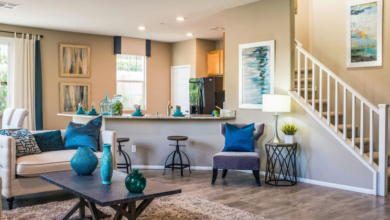
A kitchen should be more than just visually appealing; it must also be functional, comfortable, and easy to use. Modern design trends place a strong emphasis on ergonomics, which focuses on creating spaces that reduce strain, improve workflow, and enhance the overall cooking experience. Homeowners planning a kitchen renovation in Chicago are increasingly incorporating ergonomic principles to ensure that their new space is both stylish and efficient for daily use.
Understanding Ergonomics in Kitchen Design
Ergonomics in kitchen renovations is about tailoring the space to suit the needs and comfort of the people who use it most. This includes determining the optimal counter heights, designing layouts that minimize excessive movement, and ensuring that appliances are placed at convenient levels. An ergonomic kitchen not only makes cooking more enjoyable but also reduces the risk of fatigue or injury from repetitive tasks.
Layouts That Enhance Workflow
The classic kitchen work triangle, positioning the sink, stove, and refrigerator within close proximity, remains a foundational ergonomic principle. However, modern kitchens often expand on this concept by creating distinct work zones for food preparation, cooking, cleaning, and storage. By focusing on making the most of your kitchen remodel, homeowners can ensure that the new design streamlines movement and keeps essential tools and ingredients within easy reach.

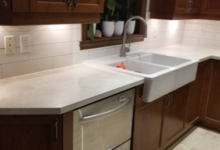


Storage Solutions for Comfort and Efficiency
Ergonomically designed storage systems prevent users from bending or stretching excessively. Pull-out pantry shelves, deep drawers for pots and pans, and vertical storage for baking sheets are all excellent examples. Corner cabinets with rotating inserts and lift-up doors for overhead storage add further convenience, making every inch of the kitchen usable without unnecessary strain.
Appliance Placement and Accessibility
Appliance placement plays a critical role in ergonomic design. Wall ovens installed at waist height eliminate the need for bending, while dishwashers positioned slightly higher can make loading and unloading easier. Refrigerators with bottom freezers allow more frequently used items to be stored at eye level. Strategic placement ensures that the kitchen is accessible and comfortable for users of all ages.
Lighting and Safety Considerations
Good lighting is essential for both comfort and safety. Task lighting under cabinets provides focused illumination for food preparation areas, while ambient lighting creates a welcoming environment. Slip-resistant flooring, rounded countertop edges, and clear walkways further enhance safety, reducing the risk of accidents in a busy kitchen.

In addition to these basic and practical lighting designs, custom neon signs are now becoming a unique addition to kitchen lighting.
Custom Neon Signs can be tailored to the overall kitchen style and the owner’s personal preferences. For example kitchen is embracing a retro vibe, consider custom neon signs with vintage patterned borders for a storytelling feel.
Furthermore, custom neon signs can serve a purpose. Installing neon signs with corresponding symbols in functional areas of the kitchen can quickly guide people to needed items or work areas during low light or busy times, further enhancing kitchen convenience and safety.
Read Also: Modern Homes Edition: The Ideal Home Checklist
Choosing the Right Contractor
The success of an ergonomically designed kitchen depends largely on the expertise of the remodeling team. Homeowners benefit from learning how to choose the right kitchen remodeling contractor who understands how to blend functional design with aesthetic appeal. A knowledgeable contractor will be able to recommend design solutions that fit both your lifestyle and your space.
Personalizing Space
While ergonomic principles guide many aspects of kitchen design, customization ensures the space truly works for you. Factors such as the primary cook’s height, cooking habits, and preferred workflow should influence design decisions. Whether it is a breakfast bar at the perfect height or specialized pull-out racks for spices, these personalized touches enhance both comfort and enjoyment.
Conclusion
Incorporating ergonomics into a modern kitchen renovation ensures that the space is not only attractive but also functional, comfortable, and safe. By considering workflow, storage solutions, appliance placement, and lighting, homeowners can create a kitchen that enhances efficiency and reduces strain. An ergonomic design transforms the kitchen into a space that supports everyday tasks while maintaining a stylish, modern aesthetic.