
Preparing for a blood test can feel overwhelming, especially when fasting is required. However, fasting plays an important role in ensuring your test results are clear and reliable. When your body isn’t influenced by recent meals, your healthcare provider can get an accurate view of your overall health. This becomes especially important when scheduling a blood test appointment in Montreal, where clinics and labs follow specific testing guidelines to ensure accuracy.
Not all blood tests require fasting, but when they do, following the instructions carefully can make a meaningful difference. Even something small—like a sugary drink or a bite of food—can temporarily change your blood levels. These changes may appear on your results and affect your healthcare provider’s ability to diagnose or monitor certain conditions.
For individuals monitored for chronic issues such as diabetes, nerve health, or circulation problems, specialists like a podiatrist in Montreal may rely on blood test results to understand how your body is functioning. Accurate information leads to better care and better decisions.
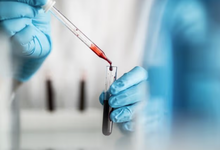


Why Fasting Makes a Difference
After eating, your body begins absorbing nutrients, sugars, fats, and minerals. These enter your bloodstream and can temporarily shift your natural levels. Fasting ensures that your blood results reflect your true baseline, without the influence of recent meals.
You may be asked to fast before tests such as:
• Blood Glucose Tests
Food and drinks can raise your blood sugar, making the reading appear higher than it truly is.
• Cholesterol / Lipid Profiles
Fatty meals can elevate triglycerides, affecting cholesterol results.
• Liver Function Tests
Certain foods can change enzyme levels. Fasting helps the liver return to a resting state.
• Iron Studies
Iron absorption is influenced by what you eat. Fasting prevents inaccurate readings.
When you fast before your blood test appointment in Montreal, you help your healthcare provider get dependable information that supports early detection, accurate diagnosis, and better health planning.
How Long Should You Fast?
Most fasting requirements last between 8 and 12 hours. During this time:
- No food
- No snacks
- No drinks except water
Water is encouraged because it helps keep you hydrated and makes the blood draw easier and more comfortable.
Your doctor or testing clinic will guide you on how long to fast. If a specialist like a podiatrist in Montreal ordered the test, be sure to follow their instructions closely.
Scheduling your appointment early in the morning can make the process easier, since most of the fasting occurs overnight while you are asleep.
What You Can Do During the Fasting Period
You Can:
- Drink plain water
- Take your regular medications (unless told otherwise)
- Use inhalers
- Brush your teeth
Avoid:
- Coffee, tea, or juice
- Smoking
- Chewing gum
- Alcohol
- Vitamins or supplements (unless approved by your doctor)
Even small items—such as breath mints or flavored drinks—can break your fast. Following the instructions helps ensure your results are precise and dependable.
How Fasting Helps With Health Monitoring
Blood tests are essential tools for identifying and managing many medical conditions, including:
- Diabetes
- Thyroid conditions
- Cholesterol problems
- Liver or kidney issues
- Nutritional deficiencies
These conditions often don’t show obvious symptoms at first. Fasting bloodwork gives your healthcare provider the clarity they need to detect changes early. This is especially important when specialists, including a podiatrist in Montreal, need accurate results to monitor nerve health, circulation issues, or complications related to chronic conditions.
Tips for a Smooth Fasting Experience
Fasting doesn’t have to be stressful. A little planning can make it much easier.
1. Choose a Morning Appointment
This helps reduce hunger and makes fasting more comfortable.
2. Eat a Healthy Dinner the Night Before
Choose foods that keep you full longer, such as lean proteins and whole grains.
3. Drink Water Regularly
Staying hydrated supports your comfort and helps with the blood draw.
4. Avoid Intense Activity Before the Test
Strenuous exercise can influence some blood values.
5. Follow Medication Guidelines
If you take regular medications, ask whether they should be taken before your blood test appointment in Montreal.
What If You Accidentally Break Your Fast?
If you eat or drink something during the fasting window, it’s best to call the clinic. Some tests may still be possible, but many need to be rescheduled to ensure accurate results. Being honest helps your healthcare provider give you the best care.
After Your Blood Test
Once your fasting bloodwork is done, you can eat and drink normally again. Many people feel slightly lightheaded afterward, especially if they haven’t eaten for several hours. A light snack and some water usually help.
Your results will be sent to your healthcare provider, who will explain what the numbers mean and guide you through the next steps if needed.
Final Thoughts
Fasting before a blood test may seem inconvenient, but it plays a vital role in helping your care team understand your true health. By following the instructions, drinking water, and preparing ahead, you make the process smoother and more accurate.
Whether your test is part of routine monitoring or requested by a specialist like a podiatrist in Montreal, fasting ensures your blood test appointment in Montreal provides the clear information needed for safe and effective care.