The landscape of surgical medicine has undergone a profound transformation over the past few decades. Traditional open surgery, which often required large incisions and prolonged recovery periods, has increasingly given way to minimally invasive alternatives. Today, sophisticated technological advancements allow surgeons to operate with unprecedented accuracy, completely redefining patient care. Leading healthcare institutions around the globe, including Liv Hospital, routinely implement these cutting-edge modalities to enhance procedural safety and optimize patient outcomes. Among these innovations, robotic-assisted platforms represent the pinnacle of modern operative engineering.
The Mechanics of Modern Robotic Procedures
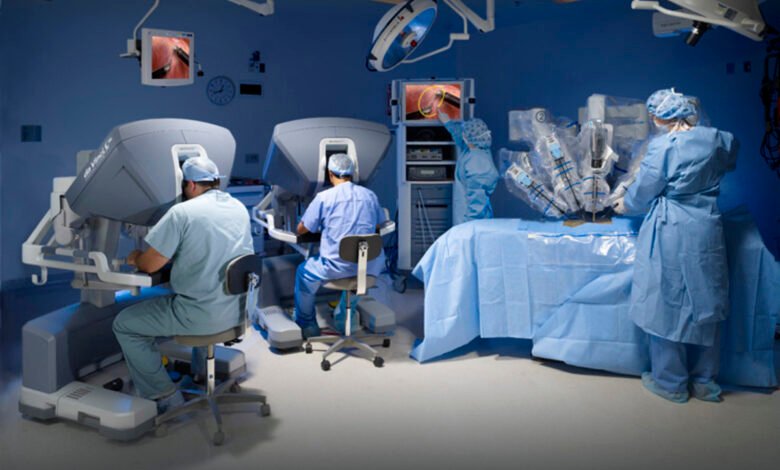
At the center of this technological paradigm shift is the multi-armed robotic surgical system. To appreciate the scale of this advancement, one must analyze how Da Vinci Robotic Surgery actually functions inside the operating room. It is a frequent misconception that the robotic apparatus acts independently. In reality, the system functions strictly as a highly responsive extension of the surgeon’s own hands. The technology translates the physician’s manual inputs into micro-movements inside the patient’s body, filtering out natural hand tremors and maximizing physical stability.
The platform relies on a sophisticated tripartite architecture to achieve this level of precision:



- The Surgeon Console: Located outside the sterile field, this is the command center where the operating physician sits. The console provides a high-definition, three-dimensional view of the surgical field, magnified up to ten times what the naked eye can see.
- The Patient Cart: Positioned directly beside the operating table, this component houses the robotic arms that hold the specialized instruments. These instruments enter the body through tiny incisions, typically no larger than a coin.
- The Vision Cart: This unit manages the advanced communication between the components, housing the high-intensity light sources and image processing hardware that deliver crystal-clear visualization to the entire surgical team.
The instruments themselves are engineered with EndoWrist technology. Unlike traditional laparoscopic tools, which offer a limited range of motion, these specialized instruments possess multiple degrees of freedom, mirroring and exceeding the rotational capabilities of the human wrist. This enables the operator to maneuver around delicate anatomical structures with exceptional dexterity.
See also: Cleveland Business Tech Services: Local Expertise, Global Infrastructure
Measurable Benefits in Patient Outcomes
The transition from conventional open or laparoscopic methods to robotic-assisted intervention yields several clear physiological advantages for the patient. Because the entry points are minimal, the physical disruption to surrounding tissue is significantly mitigated. This reduction in localized trauma triggers a cascade of positive clinical recovery factors.
First and foremost, patients generally report a substantial decrease in postoperative pain. Consequently, the reliance on heavy opioid analgesics during the recovery phase is dramatically reduced. Smaller incisions also mean that intraoperative blood loss is kept to an absolute minimum, lowering the statistical necessity for blood transfusions and reducing the likelihood of wound complications or infections.
From a recovery timeline perspective, the microscopic precision of the robotic arms minimizes the overall systemic shock to the patient’s body. Hospital stays are frequently cut in half compared to traditional open interventions, with many individuals qualifying for same-day discharge or short overnight observation. This rapid stabilization allows patients to resume their professional responsibilities and daily routines much faster, while also minimizing the long-term aesthetic impact of surgical scarring.
Expanding Broad Applications Across Specialties
The adaptability of the platform allows it to cross multiple surgical disciplines seamlessly. Initially gaining widespread acclaim within urological care—particularly for radical prostatectomy procedures where nerve preservation is vital to maintaining quality of life—the technology has since expanded its footprint.
In gynecological oncology and benign reproductive surgery, the system allows for the intricate dissection of fibroids and endometriosis tissue while protecting surrounding reproductive organs. General surgeons widely utilize the platform for complex colorectal resections, bariatric procedures, and advanced hernia repairs. Furthermore, its role in thoracic and cardiac specialties continues to grow, allowing specialists to navigate the highly congested chest cavity with minimal rib disruption.
As imaging technologies, artificial intelligence, and instrument design continue to progress, the integration of robotics into the operating room will become even more seamless. The combination of human diagnostic acumen and robotic mechanical precision ensures that modern medicine continues to move toward a future of minimal invasiveness and maximum efficacy, setting a higher benchmark for global healthcare standards.