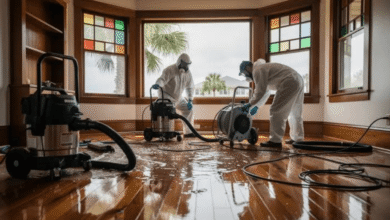
Bed bugs can invade any household, leaving behind itchy bites and restless nights. They hide in small cracks, mattresses, and furniture seams, waiting to feed when people are asleep. Once they settle in, they spread quickly through bedrooms, living areas, and even luggage. Acting fast helps control the problem before it worsens.
Contacting a pest exterminator early makes a huge difference in how severe the issue becomes. Professionals understand how to identify the pests, treat affected spaces, and prevent re-infestation. With expert help, you avoid unnecessary stress and regain comfort in your home sooner.
Inspect the Signs Carefully
Bed bugs are small but leave visible clues behind. Look for small reddish stains on sheets, shed skins, and tiny black spots near seams and joints. You may also notice small welts or clusters of bites on exposed skin. These symptoms indicate that bed bugs are already present somewhere nearby.



Once you confirm these signs, isolate the affected area as much as possible. Avoid moving furniture or bedding into other rooms, as this spreads the insects faster. Early detection and containment reduce the amount of treatment needed later.
Focus on Key Hiding Areas
Bed bugs hide close to where people sleep or rest. They prefer tight spaces that stay dark during the day. Focusing on these areas helps you identify the extent of the problem faster.
Mattresses and Furniture
Check the edges of mattresses, box springs, and upholstered furniture for small brown insects or eggs. Use a flashlight to see along seams and behind headboards. Inspect the gaps between cushions and under covers where bugs might cluster.
Walls and Flooring
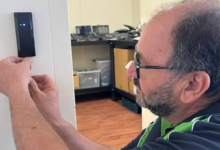
Bed bugs also crawl into cracks near baseboards, loose wallpaper, and electrical outlets. Examine wall edges and corners carefully. Remove outlet covers and look for dark smudges or live insects inside. These hidden spaces serve as ideal nesting spots.
Clean and Contain Immediately
Once evidence appears, cleaning should start right away. Wash all bedding, linens, and curtains in hot water and dry them at high heat. This temperature kills both adult bugs and eggs. Vacuum the entire room, especially along baseboards and under furniture. Dispose of the vacuum bag outside the home.
If the infestation is larger, sealing clothes and linens in plastic bags until they are washed prevents recontamination. Cleaning every surface limits the insects’ movement and prepares your space for professional treatment.
Use Heat and Cold Treatments Safely
Extreme temperatures can help control bed bugs before professionals arrive. Heat kills them at around 120°F, while extreme cold below freezing can do the same over time. These methods are effective but must be used carefully to avoid damaging belongings.
Never apply heat directly using home appliances beyond their safe limits. Placing small items in sealed bags and exposing them to sunlight for several hours can reduce the problem temporarily. However, this should not replace expert treatment.
Call a Professional for Full Eradication
When cleaning and inspections no longer control the situation, professional intervention becomes necessary. Bed bugs multiply fast and hide deep inside furniture and walls, making full removal difficult for homeowners. Traps or sprays may kill some, but never all. A qualified pest exterminator eliminates the entire colony using proven treatments.
Experts assess the size of the infestation and decide the best method. They ensure that every stage of the pest’s life cycle is addressed. This thorough approach prevents the bugs from returning once treatment is complete.
Prepare the Home for Professional Treatment
Before experts arrive, a few simple steps make their job more effective. Remove clutter to expose walls and floors. Vacuum carpets and mop hard surfaces to remove debris. Move furniture slightly away from the walls to allow access to every corner.
Professionals can then inspect hidden areas more efficiently. They may ask you to bag personal belongings or cover electronics for protection. Following their directions ensures the treatment works properly and saves time during the visit.
See also: How Often Should You Schedule Pest Control for Your Home?
Monitor for Remaining Activity
After the extermination, continue to check for signs of activity over the next few weeks. New bites or droppings can indicate that some insects survived or hatched from hidden eggs. Inspect bedding and furniture regularly to confirm that the infestation has ended.
Professionals might schedule follow-up visits to verify that the pests are gone completely. Keeping your home tidy and reducing clutter helps maintain these results. Ongoing awareness prevents re-infestation and keeps your living space secure.
Bed bugs are resilient and spread quickly once they find shelter. Recognizing the signs early helps control the infestation before it grows severe. Quick cleaning, inspection, and professional help provide the best outcome. A trusted pest exterminator removes the insects safely and restores comfort. As such, they ensure peace of mind for every homeowner.