Smart Home Upgrades: Electrical Considerations for Smart Thermostats, Lighting & More

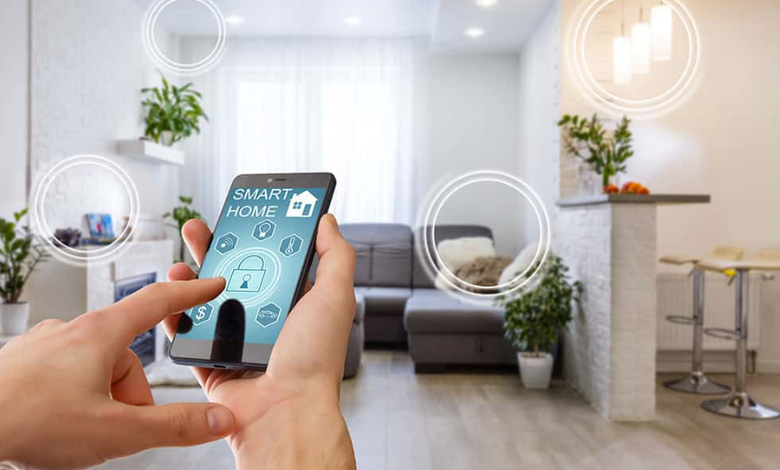
Smart home technology can make everyday tasks more convenient, from adjusting indoor temperatures remotely to controlling lights from a phone or voice assistant. But before adding connected devices throughout a home, it is important to consider something that is easy to overlook: the electrical system supporting them.
Smart thermostats, lighting controls, outlets, security devices, and other connected technologies may have specific power, wiring, and compatibility requirements. Taking time to evaluate these requirements before installation can help homeowners avoid compatibility issues and make it easier to expand their smart home setup later.
Do Smart Thermostats Need Special Wiring?
Many smart thermostats connect to an HVAC system using low-voltage wiring. Some models require a common wire, often called a C-wire, to provide continuous power to the thermostat.


Not every older HVAC installation includes this wire. Before purchasing a thermostat, homeowners should check both the thermostat manufacturer’s compatibility requirements and the existing HVAC wiring.
The type of heating and cooling equipment also matters. Heat pumps, boilers, multi-stage systems, and other HVAC configurations may require different thermostat connections or controls.
This is why thermostat replacement is not always as simple as removing the old device and connecting a new one. An HVAC professional or qualified electrician, depending on the work required, can determine whether the home’s existing setup is compatible.
See also: How Drone Tech Genuinely Transforms Building Exterior Care in the City
What Electrical Issues Should Be Checked Before Installing Smart Lighting?
Smart lighting can include connected bulbs, dimmers, switches, motion sensors, timers, and complete lighting-control systems. While smart bulbs may only require an appropriate fixture, replacing traditional wall switches with smart controls can involve additional electrical considerations.
For example, some smart switches require a neutral wire. Older homes may not have neutral wires available in every switch box. Smart dimmers also need to be compatible with the type of lighting being controlled, particularly when LED fixtures are involved.
A professional electrical evaluation can identify issues with existing wiring, grounding, switch boxes, or electrical connections before new controls are installed.
This becomes especially important when homeowners want to automate several rooms rather than install one individual smart device.
Can an Older Electrical System Handle Smart Home Upgrades?
Individual smart devices generally do not represent the same electrical demand as major appliances, but the overall condition and capacity of the home’s electrical system still matter.
A home that already has outdated wiring, frequently tripped breakers, limited circuits, or an older electrical panel may need attention before more substantial electrical upgrades are added.
This is particularly relevant when a smart-home project is part of a larger modernization plan that could eventually include equipment such as:
- Smart outlets and switches
- Connected security systems
- Video doorbells and cameras
- Automated lighting
- Smart HVAC controls
- Whole-home surge protection
- EV charging equipment
Having an electrician review the system can help determine whether the existing electrical infrastructure is appropriate for current plans and potential future upgrades.
Why Should HVAC and Electrical Systems Be Considered Together?
Connected home technology increasingly crosses traditional home-service categories.
A smart thermostat, for example, is an electronic control device, but it directly communicates with heating and cooling equipment. An issue that appears to involve the thermostat may actually involve HVAC controls, low-voltage wiring, power supply, or equipment compatibility.
This overlap makes coordination important.
Homeowners completing several upgrades at once may find it useful to work with plumbing and heating companies that also provide electrical expertise. Sinclaire Home Services offers heating, plumbing, and electrical services, allowing homeowners to consider how smart controls and the systems they operate work together.
Taking a whole-home approach can also help identify related improvements before installation begins rather than treating every device as an isolated project.
Should You Hire an Electrician for Smart Home Installation?
The answer depends on the device and the work required.
Some plug-in smart devices and connected bulbs are designed for straightforward homeowner setup. Work involving permanent wiring, electrical panels, new circuits, switches, outlets, or other modifications to the home’s electrical system should be evaluated by a qualified professional.
Professional installation becomes especially important when the existing wiring is older, the device requires new wiring, or several connected systems are being installed at the same time.
An electrician can also evaluate whether the planned equipment is compatible with the electrical system before installation begins.
Plan Smart Upgrades Around the Whole Home
Smart home technology works best when the systems behind it are considered as carefully as the devices themselves.
Before installing smart thermostats, automated lighting, smart switches, or other connected technology, homeowners should review wiring requirements, equipment compatibility, available electrical capacity, and their longer-term plans for the property.
When an upgrade involves more than one home system, working with experienced plumbing and heating companies that understand HVAC and electrical requirements can make coordinated planning easier. The goal should not simply be to add more connected devices, but to create a smart-home setup that works reliably with the home’s existing infrastructure.