When you hear laminate flooring nowadays, it’s usually advertised as “waterproof”. But is this sales parlance, or reality? Now let’s have a look at the actual definitions of waterproof and water-resistant products and how they are important for your residence.
What is the Difference Between Waterproof and Water Resistant?
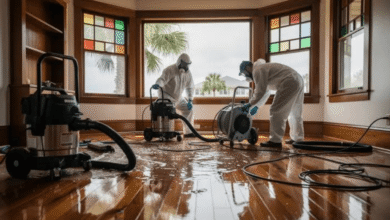
Let’s get one thing straight first: the majority of laminate is not waterproof but water-resistant. That is, it possesses a surface finish which will drink small splashes provided they are absorbed instantly. But the wood core (usually HDF or MDF) begins to swell, warp, or buckle as water is allowed to seep through the joints, and once done, cannot be undone. A few products claim better click fit locking systems and thicker finishes, but even they only postpone the inevitable as water accumulates in the long term.



Why Laminate Isn’t Really Waterproof
Sandwiched in the center of every laminate floor lies a core constructed of laminated fibreboard—a swell susceptible material. When wet, this core swells. The effect? Cupped boards, raised seams, or even buckling throughout the floor. Even premium, heavy duty laminates (AC5, AC6 rated) caution that long-term exposure can cause failure.
There is no sanding or refinishing solution here—once waterlogged, replacement is your only option.
When Is Laminate Okay?
Laminate is good in living rooms, bedrooms, corridors—essentially dry spaces. With quick spill cleanups and quality underlay, you can look forward to a long-lasting, good-looking floor with normal everyday life.
But beware: kitchens can be dicey if you’re not careful—desk mats by dishwashers or sinks are a good idea. And bedrooms? No problem at all.
Bathrooms and Wet Zones: Steer Clear
Bathrooms, cloakrooms, and wet basements are a no go. The constant moisture and chance of standing water mean laminate will likely fail—you’ll end up forking out to replace large sections. For those spaces, a waterproof alternative is a must.
Want the Waterproof Look? Alternatives that Deliver
Luxury Vinyl Tile (LVT or LVP) is the waterproof go-to choice. Composed of PVC or stone plastic composite core (WPC/SPC), these floors will withstand actual wet conditions undeterred.
They will be more expensive initially, but versus the hassle of laminate failure in wet areas, the cost usually pays dividends .
Choosing the Right Laminate for Your UK Home
If you’re set on laminate, here’s how to make the most of it:
• Look for water resistant coatings and high AC ratings (ideally AC4–AC5).
• Always install quality underlay—it adds moisture protection, noise reduction, and comfort.
• Seal edges carefully with appropriate profiles or trims in moisture-risk zones.
• Act quickly when spills happen. A damp mop and swift dry-up can save a floor.
• Don’t use it in wet rooms—use LVT or waterproof vinyl instead.
Final Say
Laminate flooring is an excellent, fashionable, and affordable solution for the majority of your UK bedrooms but not water-resistant. Properly installed and provided you clean any spills straight away, it will be water-resistant and serve you for a long time. Nevertheless, utilize appropriate waterproof alternatives like LVT/LVP or SPC in bathrooms, utility rooms, conservatories, or wherever there is moisture.
Use laminate since it is simple to fit, appears well, and is fairly affordable, but don’t count on it to last through a flood. Need assistance picking the ideal floor for your next project?