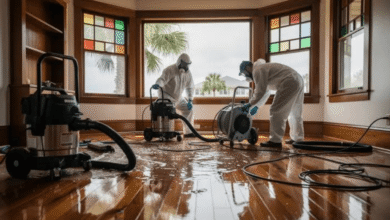
Keeping your home pest-free does not always require harsh chemicals or toxic sprays. More people today prefer natural and eco-friendly pest control methods because they are safer for children, pets, and the environment—while still being highly effective. Whether you are dealing with ants, cockroaches, mosquitoes, rodents, or termites, nature-based solutions can help prevent and eliminate pests without compromising your indoor air quality or exposing your family to harmful ingredients.
In this guide, we’ll explore the most effective natural pest control strategies, why they work, and how you can apply them to protect your home year-round.
Why Choose Natural Pest Control?
Natural pest control methods offer several benefits that traditional chemical treatments may not provide:



1. Safe for Children and Pets
Many chemical-based insecticides contain toxic compounds that can irritate skin, trigger allergies, or cause long-term health concerns. Natural methods use plant-based or organic ingredients that are less harmful and easier to use around families.
2. Environmentally Friendly
Eco-friendly pest control avoids synthetic chemicals that can contaminate soil, water sources, and local ecosystems. This helps maintain biodiversity and reduces environmental pollution.
3. Cost-Effective & Easily Available
Most natural solutions use items already found in your kitchen or garden—such as vinegar, lemon, baking soda, herbs, and essential oils.
4. Prevents Resistance Build-Up
Over time, pests can become resistant to chemical pesticides. Natural repellents and traps work at a biological or sensory level, making resistance less likely.
1. Essential Oils: Nature’s Powerful Pest Repellents
Essential oils are one of the most effective natural tools for keeping pests away. Their strong scent disrupts pest communication, feeding behavior, and nesting activities.
Best Essential Oils for Pest Control
- Peppermint Oil – Repels ants, spiders, rodents, and cockroaches
- Tea Tree Oil – Effective against mosquitoes and lice
- Lavender Oil – Keeps moths, flies, and fleas away
- Eucalyptus Oil – Repels mosquitoes and flies
- Cedarwood Oil – Excellent for wardrobe moth control
How to Use Essential Oils
Spray Formula:
Mix the following in a spray bottle:
- 10–15 drops of essential oil
- 1 cup of water
- 1 tablespoon of white vinegar
Spray in corners, doorways, furniture legs, and window frames.
Cotton Ball Method:
Soak cotton balls in essential oil and place them near entry points, cupboards, or behind appliances.
2. Diatomaceous Earth: The Natural Insect Killer
Diatomaceous Earth (DE) is a fine, naturally occurring powder made from fossilized algae. It works by damaging the exoskeleton of insects, leading to dehydration.
Works Best For:
- Ants
- Bed bugs
- Fleas
- Cockroaches
- Silverfish
How to Use It
Sprinkle food-grade diatomaceous earth lightly in areas where pests travel—such as along baseboards, behind the fridge, or near sinks. Leave it for 24 hours, then clean up the excess.
Note: Always use food-grade DE, not industrial-grade.
3. Vinegar Solutions for Cleaning & Repelling
Vinegar is a natural disinfectant and strong-smelling ingredient that disrupts ant and cockroach scent trails.
How to Use Vinegar for Pest Control
- Mix equal parts of vinegar and water
- Spray directly on countertops, floors, and entry points
- Use regularly to prevent pest re-entry
For ants, vinegar works especially well because it eliminates the chemical trail they use to navigate.
4. Herbs and Plants That Repel Pests Naturally
Certain plants act as natural pest repellents due to their aroma and chemical composition.
Grow These Plants Around Your Home:
- Mint – Repels ants, rodents, and spiders
- Basil – Keeps flies and mosquitoes away
- Lemongrass – Contains citronella, a powerful mosquito repellent
- Lavender – Good against moths and fleas
- Rosemary – Repels insects in gardens and indoors
Place potted versions near doorways, windows, or kitchen counters.
5. Homemade Natural Pest Traps
Natural traps can help capture pests without using hazardous chemicals.
Fruit Fly Trap
- Place apple cider vinegar in a bowl
- Add a few drops of dish soap
- Cover with plastic wrap
- Poke small holes
Fruit flies will enter and get trapped.
Cockroach Trap
- Mix sugar and baking soda in equal parts
- Place in small containers near corners
- Roaches eat the mixture and die due to internal gas buildup
Mosquito Trap
- Add brown sugar to warm water
- Let cool and mix with yeast
- Place in a cut bottle
- The fermentation process releases CO₂ which attracts mosquitoes
6. Boric Acid (Low-Toxicity Pest Control)
Boric acid is a naturally occurring mineral that disrupts insect digestion.
Best For:
- Cockroaches
- Ants
- Silverfish
Use lightly in cracks and crevices. Avoid using it directly on surfaces children and pets touch frequently.
7. Proper Home Maintenance: A Natural Defense Strategy
Pests enter homes in search of food, water, and shelter. Simple preventive measures can drastically reduce infestations.
Key Prevention Steps:
- Seal cracks in walls and door frames
- Keep drains clean and unclogged
- Store food in airtight containers
- Remove standing water sources
- Dispose of garbage daily
- Vacuum floors regularly
- Keep firewood away from exterior walls
Good sanitation alone can prevent nearly 70% of common pest problems.
8. Natural Outdoor Pest Control Methods
If your yard or garden attracts pests, use these eco-friendly methods:
Neem Oil Spray
A natural pesticide effective against aphids, beetles, and caterpillars.
Garlic Spray
Blend garlic with water and spray plants to repel insects.
Soap Water Mix
Kills soft-bodied insects like mites and aphids on contact.
Companion Planting
Place pest-repelling plants next to vulnerable crops.
See also: Expert Strategies for Quick Home Recovery After Water Damage
9. When to Consider Professional Eco-Friendly Pest Control
Natural methods are effective for mild to moderate pest problems. However, when facing:
- Large infestations
- Termite damage
- Persistent rodent activity
- Bed bug outbreaks
…it is wise to consult a professional who uses green, integrated pest management (IPM) techniques.
Conclusion
Natural and eco-friendly pest control methods offer safe, effective, and environmentally responsible ways to keep your home pest-free. From essential oils and herbs to diatomaceous earth and homemade traps, these solutions are easy to use and budget-friendly. By combining natural repellents with good home maintenance and preventive strategies, you can create a healthier living space for your family—without relying on toxic chemicals.