Living in Houston comes with many advantages, from a vibrant culture to diverse communities. But one challenge that Houston homeowners must constantly contend with is the city’s climate. Frequent thunderstorms, hurricane seasons, and high humidity levels make homes especially vulnerable to water damage.
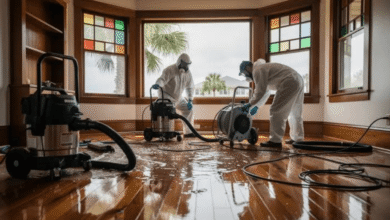
Professional water damage restoration services provide rapid water extraction, complete drying, deep sanitization, and expert repairs—helping homeowners reduce costly damage, safeguard their health, and restore their homes to a safe, livable condition more quickly.
While professional water damage restoration services in Houston are essential when disaster strikes, the best solution is prevention. By taking proactive measures, homeowners can protect their properties, save money on costly repairs, and safeguard their family’s health.


This guide will walk you through practical strategies to protect your home from future water damage in Houston’s unpredictable climate.
Understanding Houston’s Climate Risks
Houston’s geographic location and weather patterns create conditions that increase the risk of water damage. Some of the biggest threats include:
- Heavy Rainfall and Flooding: The city often experiences torrential downpours, especially during hurricane season, leading to flash floods.
- High Humidity: Constant moisture in the air encourages mold growth and condensation-related damage.
- Hurricanes and Tropical Storms: These events can cause storm surges and significant flooding.
- Aging Infrastructure: Older plumbing systems and drainage issues make homes more vulnerable.
Understanding these risks is the first step toward prevention.
Protecting Your Roof and Gutters
1. Regular Roof Inspections
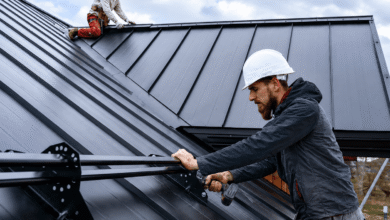
Your roof is your first line of defense against water damage. In Houston’s stormy climate, even a small leak can cause extensive problems. Schedule professional roof inspections at least once a year to identify missing shingles, cracked flashing, or other vulnerabilities.
2. Clean and Maintain Gutters
Clogged gutters can cause rainwater to overflow and seep into your foundation or walls. Clean gutters regularly, especially during fall and after storms. Consider installing gutter guards to prevent debris buildup.
3. Check Attic Ventilation and Insulation
Poor attic ventilation combined with Houston’s humidity can lead to condensation and mold growth. Ensure proper insulation and ventilation to minimize this risk.
Securing Your Foundation and Landscaping
1. Inspect Foundation Cracks
Water can easily seep into foundation cracks during Houston’s heavy rains. Regularly inspect your foundation for cracks and seal them promptly with professional-grade sealants.
2. Improve Yard Drainage
Ensure your yard slopes away from your home so rainwater doesn’t pool near the foundation. French drains, sump pumps, or regrading the yard can help manage water flow effectively.
3. Install a Sump Pump
In flood-prone areas, a sump pump is a valuable investment. It collects and pumps water away from your basement or crawl space, protecting your home during storms.
See also: Complete Guide to Safe Heating Boiler Replacement for Homes
Maintaining Plumbing Systems
1. Regular Plumbing Inspections
Aging pipes, faulty water heaters, or leaking appliances can cause significant water damage. Schedule regular inspections to detect leaks early and replace worn-out components.
2. Install Water Leak Detectors
Smart leak detectors can alert you when water is detected in areas like under sinks, near water heaters, or in basements. These devices give homeowners a chance to address issues before they escalate.
3. Know Your Main Water Shut-Off Valve
In the event of a burst pipe, shutting off your home’s main water supply can prevent further flooding. Every Houston homeowner should know the location of this valve and ensure it’s easy to access.
Preparing for Houston’s Hurricane Season
1. Seal Windows and Doors
Storms can drive rain into homes through poorly sealed doors and windows. Use weatherstripping and caulking to keep water out.
2. Elevate Critical Utilities
If you live in a flood-prone zone, elevate electrical panels, HVAC systems, and water heaters to minimize damage during floods.
3. Install Storm Shutters
Hurricane shutters protect windows from breakage and reduce the chance of water entering your home during high winds and heavy rain.
4. Create an Emergency Plan
Prepare an emergency kit, know your evacuation routes, and have contact information for local Houston water damage restoration services on hand. Quick action can minimize losses if flooding occurs.
Managing Indoor Humidity
1. Use Dehumidifiers
High humidity in Houston can cause moisture buildup indoors, leading to mold and mildew. Use dehumidifiers in basements, crawl spaces, and other moisture-prone areas.
2. Maintain Your HVAC System
Regular HVAC maintenance keeps your system running efficiently and helps manage indoor humidity levels. Replace filters frequently to ensure proper airflow.
3. Check for Condensation
Look for condensation on windows, walls, or pipes. If present, address the source—whether it’s poor ventilation, plumbing issues, or inadequate insulation.
Protecting Personal Belongings
1. Elevate Storage
Store valuable items, documents, and electronics on shelves or in waterproof containers. Avoid keeping them directly on the floor, especially in basements or garages.
2. Consider Waterproof Safes
For important documents like insurance papers, property deeds, or passports, use a waterproof safe to protect them from water damage.
3. Digitize Important Files
Scanning and saving digital copies of essential documents ensures you’ll have backups even if originals are destroyed.
Insurance and Professional Support
1. Review Your Insurance Coverage
Many Houston homeowners are surprised to learn that standard homeowner’s insurance does not cover flood damage. Review your policy carefully and consider purchasing separate flood insurance through the National Flood Insurance Program (NFIP).
2. Keep a List of Trusted Restoration Companies
Even with the best prevention, water damage can still occur. Having a trusted restoration company in Houston saved in your contacts can make all the difference when emergencies strike.
3. Document Your Home’s Condition
Take photos and videos of your home and belongings for insurance purposes. In case of water damage, these records help support your claims.
Long-Term Investments for Protection
1. Backflow Prevention Devices
Backflow from sewer systems can cause major water damage during floods. Installing backflow prevention devices can keep contaminated water out of your home.
2. Waterproofing Solutions
Basement and crawl space waterproofing, including sealants and vapor barriers, offer long-term protection against leaks and moisture intrusion.
3. Smart Home Technology
Invest in smart home systems that monitor water usage and detect irregularities. These systems can automatically shut off your water supply in case of leaks.
Conclusion: Proactive Protection for Houston Homes
In Houston’s unpredictable climate, water damage is always a possibility. From torrential rains and hurricanes to plumbing mishaps, the risks are high—but so are the opportunities for prevention. By maintaining your roof, foundation, and plumbing, preparing for storms, managing humidity, and safeguarding your belongings, you can drastically reduce your home’s vulnerability.
While no plan can guarantee complete protection, combining preventative measures with reliable Houston water damage restoration services ensures you’re prepared for both prevention and recovery. Protecting your home today means saving yourself from costly repairs and stress tomorrow.