Luxury homes are often photographed in magazines and featured in design roundups. They draw attention for their size, finishes and views. But the real story of luxury homes is not in the sparkle. It is in how they shape the everyday experience of living.
For many buyers, these properties are not just expensive houses. They are spaces that carry time, routines, comfort and meaning. They do not exist simply to impress visitors. They exist to support life in remarkable ways every day.
This article looks at what sets luxury homes apart, how people experience them in daily life, and how the concept of luxury has evolved in the modern real estate market.



What Makes a Home Feel Luxurious
People often equate luxury with price, size or brand names. Those things matter in one sense, but they do not define the lived experience of a home.
A home feels luxurious when it aligns with how people use their time. It feels comfortable because movement through the rooms feels natural. It feels practical because storage, light and flow are designed for life rather than staging.
It feels grounded when the space supports routines instead of interrupting them.
This difference is subtle, but it shows up immediately when someone walks into a space that works well. A luxury home tends to feel considered in ways that matter over months and years, not just hours and photographs.
Intention Behind Design
Luxury homes are often designed with intention at scale. This does not mean complexity for its own sake. It means thoughtful decisions about proportion, materiality and performance.
Consider how light enters a room. If windows are placed to catch sun at the right time of day, the home feels alive instead of flat. If materials gain character instead of demanding maintenance, the home feels grounded instead of fragile.
These kinds of choices matter more in lived experience than the presence of expensive finishes or designer labels.
How Space Changes Routines
Size alone does not make a home luxurious. It is how space is arranged that shapes daily life.
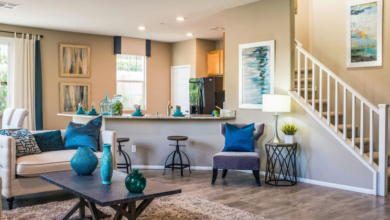
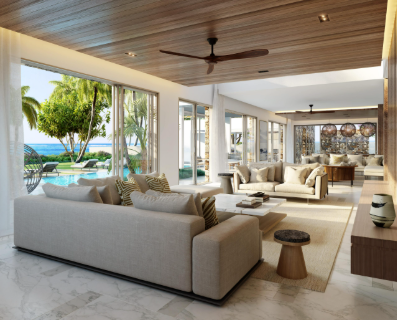
In a well-designed luxury home, rooms feel purposeful but not rigid. Living areas flow to outdoor spaces without awkward transitions. Kitchens connect to social spaces without losing zones for preparation and cleanup. Bedrooms feel restful because they are quietly set apart from busy areas.
These distributions of space matter every morning and every evening. They change how people move, how noise carries, and how tasks become part of the rhythm of the day.
See also: Gift Ideas for Life’s Most Special Moments
Light and View as Daily Anchors
Architects and designers talk about light and view because they shape the emotional experience of space.
A home that captures natural light in living areas supports comfort throughout the day. Gentle morning light in a breakfast nook changes how a family starts the day. Evenings that settle in a living room rather than a baseline glow create a different sense of calm.
View matters too. A window that frames sky, trees or water does more than decorate a wall. It connects interior life to the world outside. These moments become part of daily experience.
Materials That Hold Up to Real Life
Luxury homes tend to use quality materials. The difference between high quality and merely expensive shows up over time, not in the first week after a move.
Wood that deepens with age. Stone that softens rather than scratches. Finishes that gain character instead of exposing every fingerprint. These qualities reduce visual tension and make life easier, not harder.
Durable materials support both beauty and function. That intersection defines how a home feels six months in, not just six minutes after a showing.
Technology That Supports, Not Distracts
Modern luxury homes often incorporate technology. Smart systems can adjust lighting, temperature and security. Integrated audio and visual systems can enhance day-to-day life.
The key is that technology should serve without demanding attention. People want systems that work quietly in the background. They do not want interfaces that interrupt routines or require constant updates.
The most successful technology in a home disappears into use rather than becoming another thing to manage.
Location and Context
A luxury home’s address still matters. Proximity to services, cultural life, green space and community shapes how daily life unfolds.
Some people choose locations for serenity and privacy. Others choose vibrancy and access. What matters most is how the location aligns with lifestyle rather than aspirational imagery.
An elegant home in a place that feels disconnected from daily needs rarely feels luxurious in practical terms. Conversely, a well-designed home in a walkable, well-connected area supports life every day.
How People Live in Luxury Homes
Luxury homes are not stage sets. They are lived in. People who choose these homes often talk about how the space supports comfort, not just presentation.
In the morning, a well-lit kitchen feels easier to use. In the evening, a living room positioned for view and flow becomes the centre of the day. Bedrooms feel like retreats because they anticipate routine rather than interrupt it.
These lived moments are where the idea of luxury becomes real.
Evolving Definitions of Luxury
The concept of luxury has shifted over time. It used to be about opulence and separation from everyday needs. Today, people often value performance, comfort and experience over show.
This shift reflects a broader change in how people live. Work, rest and social life blur across spaces. Homes are expected to support multiple functions without feeling fragmented.
As a result, luxury is less about extravagance and more about alignment with life priorities.
Market Dynamics and Expectations
Luxury real estate operates within a dynamic market, shaped by evolving buyer expectations, lifestyle trends and long-term value considerations often explored in Harvey Kalles’ real estate insights and market perspectives. Buyers bring expectations shaped by travel, culture and trends. Good agents help translate these expectations into choices that make sense for daily life, not just aspirational imagery.
Couples and families seeking significant living spaces benefit from guidance that looks beyond surface appeal and toward sustainability, longevity and usability.
Selecting an Agent Who Understands Life, Not Just Listings
The value of a real estate agent in the luxury segment is in interpretation and translation. A great agent listens to what people actually want in daily life, not just what they think they want on a wishlist.
They help couples and families turn abstract aspirations into practical criteria. They guide clients through timing, market conditions, negotiation rhythm and post-purchase planning.
This kind of support matters when stakes feel personal and long term.
Questions to Ask When Considering a Luxury Home
Before committing, thoughtful buyers often reflect on a few clear questions:
- How will this space feel in daily use, not just in photos?
- Does the layout support routines and comfort?
- Does light and view align with how you spend your day?
- Will the location support your lifestyle long term?
- Does the home feel supportive of both private and social life?
These questions help move the decision beyond surface appeal into lived experience.
The Emotional Side of Space
A home is not just shelter. It carries emotional weight. It is where people rest, celebrate, gather, think and recover from the day. A luxury home that ignores emotional experience feels hollow.
Homes that succeed in lived experience give people places to pause without disruption, to connect without effort and to rest without friction.
That quality cannot be photographed. It must be lived.
Timing and Personal Perspective
Purchasing a luxury home is a deeply personal decision. It intersects with timing, career stage, family rhythm and long-term goals.
Taking time to reflect on how space fits life matters more than trying to catch market moments. A thoughtful decision made with clarity feels better over years and decades.
A Home That Grows With Life
The most successful luxury homes do not feel static. They feel adaptable. They accommodate changes without losing coherence. They support evolving routines, relationships and priorities.
These qualities make a home feel less like a collection of exceptional features and more like a lived experience that supports life over time.
Looking Beyond the Surface
Luxury homes attract attention for finishes and size. The deeper value lies in how they support life.
Comfort, flow, light, function and connection are the elements that matter most once the initial excitement fades. These are the qualities that shape daily living.
Seen this way, luxury homes are not just about value on paper. They are about the quality of life they enable.
And that is the real measure of luxury.