Managing outdoor spaces in Southern California requires balancing visual appeal with environmental practicality. With recurring droughts, rising utility rates, and ongoing water restrictions across Los Angeles County, traditional water-hungry grass lawns are becoming increasingly impractical. Replacing high-maintenance turf with thoughtful backyard hardscaping allows homeowners across the San Fernando Valley and the greater LA area to reduce water usage, eliminate weekend lawn maintenance, and create stunning year-round outdoor spaces.
Hardscaping incorporates structural elements, such as stone patios, permeable paver systems, retaining walls, fire features, and pool surrounds, to build functional living areas that thrive in hot, dry climates without relying on municipal irrigation.
The Benefits of Drought-Tolerant Hardscaping in Los Angeles
Transitioning from traditional landscaping to a hardscape-focused outdoor design offers immediate environmental and financial advantages for Southern California property owners.



1. Significant Water Conservation and Lower Utility Bills
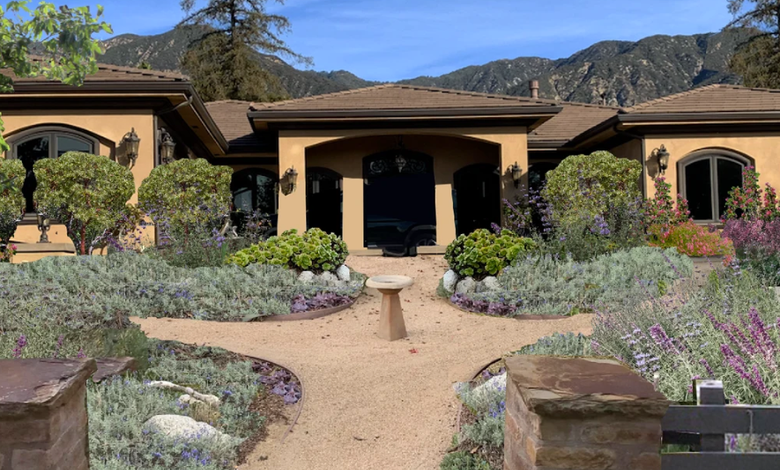
Turf grass is one of the heaviest consumers of residential water. Substituting green lawns with stone pavers, decomposed granite, and gravel pathways drastically reduces daily outdoor water demands, leading to noticeable savings on monthly water bills.
See also: The Blueprint for Modern Aging in Place: Integrating Personal Care, Companionship, and Smart Tech
2. Year-Round Aesthetic Appeal
Unlike natural grass that turns brown during peak summer heatwaves in the Valley, paved patios, custom retaining walls, and stone features maintain their clean, pristine appearance 365 days a year with minimal upkeep.
3. Increased Usable Outdoor Living Space
Hardscaping transforms unused or sloping yard space into functional outdoor areas for entertaining, dining, cooking, and lounging poolside.
Top Drought-Tolerant Hardscape Materials for LA Homes
Selecting the right hardscape materials ensures your yard withstands intense sun exposure, heavy foot traffic, and occasional winter rains.
| Material | Thermal Performance | Water Permeability | Best Used For |
| Interlocking Pavers | Stays cool in lighter shades | High (when set on gravel base) | Patios, driveways, & pool decks |
| Decomposed Granite (DG) | Minimal heat absorption | Excellent natural drainage | Walkways, fire pit areas, & garden paths |
| Travertine & Natural Stone | Remains very cool underfoot | Low to Moderate | Luxury pool surrounds & patio slabs |
| Architectural Concrete | Moderate to High | Low (requires drainage channels) | Modern geometric slabs & retaining walls |
| Permeable Turf Inlays | Cool surface temperature | Maximum runoff absorption | Decorative driveway grids & accent patios |
Inspiring Drought-Tolerant Backyard Hardscape Concepts
Integrating structural hardscapes with low-water elements creates a balanced, eco-friendly backyard environment.
1. Interlocking Paver Patios with Native Xeriscaping
Replacing expansive lawns with interlocking concrete pavers creates a clean foundation for outdoor furniture. Frame paver borders with drip-irrigated, drought-tolerant California native plants such as Agave, Blue Fescue, Lavender, and Coastal Sage to add color and texture without heavy water demands.
2. Custom Fire Pits with Decomposed Granite Seating Zones
Decomposed Granite (DG) provides a natural, rustic look that fits Mediterranean and modern California homes seamlessly. Creating a compacted DG seating pad centered around a gas-powered fire pit provides an inviting evening gathering spot that requires zero water.
3. Retaining Walls with Integrated Succulent Planters
For hillside properties in Bel-Air, Encino, or Sherman Oaks, engineered retaining walls hold back sloped soil while adding structural dimension. Incorporating tiered masonry planters allows you to cultivate low-maintenance succulents that thrive on natural rainfall and occasional hand watering.
4. Permeable Hardscapes and Dry Riverbeds
Integrating dry riverbeds composed of river rocks, boulders, and gravel channels rainwater runoff effectively during winter storms. Permeable paver systems allow rainwater to seep naturally back into local water tables rather than rushing into storm drains.
Blending Hardscapes with Custom Pool Builds
In Southern California, hardscaping and pool design naturally complement each other. Surrounding an in-ground pool with drought-friendly hardscape elements minimizes water runoff contamination while creating a clean, resort-style atmosphere.
Smart Pool Surrounds
Pairing a custom gunite pool with permeable paver decks or cool-touch travertine tile reduces the need for surrounding grassy areas that contribute lawn clippings and organic debris to pool water.
Integrated Water Features
Adding low-evaporation water features, such as sheer descent waterfalls or decorative scuppers, recycles pool water continuously while introducing calming ambient sound that masks city noise.
Understanding the Hardscape Construction Timeline
Executing a durable, drought-tolerant hardscape installation requires a structured process from initial site grading to final sealing.
Hardscape Project Timeline
| Construction Phase | Description | Estimated Timeline |
| Phase 1 | Site Survey, Architectural Design, & Engineering | Weeks 1 – 3 |
| Phase 2 | City Permit Processing & Approvals | Weeks 3 – 7 |
| Phase 3 | Excavation, Site Grading, & Sub-Base Prep | Weeks 7 – 8 |
| Phase 4 | Sub-Surface Drainage & Underground Utilities | Weeks 8 – 10 |
| Phase 5 | Masonry, Paver Setting, & Hardscape Installation | Weeks 10 – 11 |
| Phase 6 | Joint Sanding, Sealing, & Final Inspection | Weeks 11 – 13 |
Step-by-Step Installation Process1. Site Survey & Custom Layout Design
Engineers and designers measure property lines, evaluate soil stability, check existing utility runs, and map out drainage paths to create custom layout plans.
2. Permitting & Local Approval Handling
For structural builds involving retaining walls, covered patios, or heavy grading, plans are submitted to local building departments across Los Angeles County to secure necessary permits.
3. Excavation & Base Stabilization
Machinery removes old turf, roots, and uncompacted topsoil. A dense crushed aggregate base (CAB) is laid and mechanically compacted to prevent future settling or surface shifting.
4. Drainage Infrastructure & Utility Rough-Ins
Underground drainage lines, channel drains, gas lines for fire features, and electrical conduits for low-voltage LED landscape lighting are installed beneath the base layer.
5. Masonry & Surface Layer Setting
Poured concrete, interlocking pavers, or natural stone slabs are set precisely according to layout designs, maintaining accurate slope grading to guide rainwater away from home foundations.
6. Sand Jointing & Protective Sealing
Polymeric sand is swept into paver joints to lock stones together and prevent weed growth. Protective penetrating sealers are applied to shield natural stone from UV fading, oil stains, and moisture.
Selecting the Right Local Hardscape Contractor
Executing hardscape projects in Los Angeles requires working with experienced builders who understand local earth grading, soil expansion, and local municipal codes.
Key Criteria for Hiring a Contractor:
- Valid Licenses: Verify active C-53 (Swimming Pool) or Class A/C-27 licenses via the California Contractors State License Board (CSLB).
- Transparent Itemized Pricing: Choose contractors who provide line-item quotes breaking down excavation, material volumes, drainage, and labor costs.
- In-House Crew Management: Work with teams that manage construction using their own dedicated crews rather than unvetted subcontractors.
- Local Geotechnical Experience: Ensure your builder understands soil conditions and hillside regulations specific to the San Fernando Valley and Los Angeles Basin.
Investing in drought-tolerant hardscaping transforms unutilized yard space into a low-maintenance, water-wise outdoor retreat designed for decades of enjoyment under the Southern California sun.