Natural daylight has a transformative effect on any space. It enhances well-being, improves energy efficiency, and makes interiors feel more open and inviting. However, standard rooflight sizes and styles are not always suitable for every project. When precise dimensions, distinctive aesthetics, or advanced performance are required, custom rooflights provide the perfect made-to-measure solution. This guide explores everything you need to know before specifying or ordering bespoke rooflights, from design choices and glazing options to installation considerations and maintenance.
What Are Custom Rooflights?
Custom rooflights are glazing units manufactured to individual specifications. Unlike standard products, they are tailored to fit unique roof structures, non-standard openings, or specific design ambitions. They can be produced in a wide variety of forms, including frameless fixed rooflights, walk-on glass panels, opening models for ventilation, and elegant roof lanterns or pyramids. Whether designed for flat or pitched roofs, they can be adapted to integrate seamlessly with the building fabric and architectural vision.
Why Choose Custom Over Standard?
There are several reasons why bespoke rooflights are the preferred choice for architects, builders, and homeowners. First and foremost, they provide a perfect fit, ensuring the glazing integrates seamlessly with the structure without compromise. This avoids the need for unsightly infill panels or structural alterations that often arise with standard sizes.


Custom designs also offer greater freedom of expression. They can be specified with slim sightlines, frameless edges, or dramatic spans of uninterrupted glass, making them an attractive feature as well as a practical addition. Performance can also be tuned to individual requirements. For example, laminated panes improve safety and security, solar control coatings reduce overheating in south-facing rooms, and acoustic glazing provides relief in noisy urban environments.
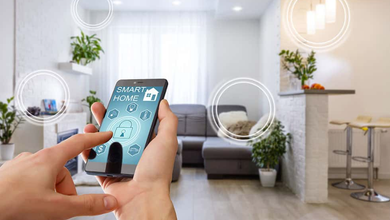
Another benefit lies in functionality. Bespoke rooflights can be fixed, hinged, sliding, or even motorised, giving homeowners the option to improve ventilation and comfort. Integration with sensors and smart home systems ensures they perform reliably in everyday use.
Key Specification Decisions
When specifying a custom rooflight, it is important to consider several technical and design elements.
Size, Shape, and Roof Type
One of the greatest advantages of bespoke manufacture is the ability to specify unusual shapes and dimensions. While rectangles remain popular, trapezoids, multi-pane runs, and L-shaped designs are also possible. The type of roof is equally important: flat roofs usually require a raised upstand, while pitched roofs demand carefully detailed flashing to prevent water ingress.
Glazing Build-Up
Glass selection is central to performance. Double glazing remains common, but triple glazing can provide superior thermal efficiency in colder climates. Low-emissivity coatings and inert gas fills reduce heat loss, while laminated panes enhance safety and resilience. In sun-exposed areas, solar control glass or tints are invaluable for keeping interiors cool and comfortable.
Frames and Thermal Breaks
Aluminium frames are widely used for their strength and slim profiles. Thermal breaks within the frame prevent heat transfer and reduce the risk of condensation. Frameless options, popular in contemporary design, create a minimal appearance where only the glass is visible internally.
Ventilation Options
Opening rooflights offer more than just daylight: they provide essential ventilation. Manual models are effective in smaller spaces, while motorised units are more convenient in high ceilings or large openings. Automated options with rain sensors or integration with climate control systems can optimise indoor air quality with minimal effort.
Privacy and Sun Management
In bedrooms, bathrooms, or other private areas, privacy can be maintained with internal blinds, switchable glass that changes opacity, or external shading. These solutions also help manage solar gain and glare throughout the year.
See also: Brand Myequiservehome Home Service Provider
Compliance and Performance
All rooflights in the UK must meet relevant Building Regulations. These cover structural performance, fire safety near boundaries, and thermal efficiency. In many cases, installing rooflights falls under permitted development rights, but additional restrictions apply in conservation areas or on listed buildings. It is always advisable to confirm compliance before placing an order.
Thermal efficiency is another vital consideration. The U-value, which measures heat transfer, should be assessed across the whole unit rather than just the centre of the glass. A lower U-value indicates better insulation, reducing energy bills and improving comfort. Always ask manufacturers for certified test results to ensure performance claims are accurate.
Popular Styles of Custom Rooflights
One of the most appealing aspects of bespoke rooflights is the variety of styles available. Frameless fixed rooflights create a striking effect, appearing as a clear sheet of glass that connects the indoors with the sky above.
Opening rooflights, whether hinged or electrically operated, are particularly practical in kitchens and bathrooms, where they allow steam and warm air to escape.
Walk-on rooflights, designed with reinforced laminated glazing, allow safe use on terraces and roof gardens while delivering daylight to the rooms below.
Roof lanterns and pyramids bring drama to flat roof extensions, creating a striking architectural focal point. Finally, sliding or bi-parting rooflights provide the ultimate luxury, offering expansive ventilation and direct access to roof terraces.
Cost Factors
The cost of a custom rooflight depends on several factors. The glass specification is usually the most significant, as laminated layers, solar control coatings, and triple glazing all increase both performance and price. Size and complexity also influence cost: irregular shapes, walk-on designs, and sliding mechanisms require additional engineering and precision manufacturing.
Installation should also be factored in. Large panes often need cranes or vacuum lifting equipment, and complex detailing may involve additional labour. Automation and smart controls add further cost but deliver long-term convenience and comfort.
How to Compare Suppliers
Choosing the right supplier is essential to achieving the desired results. Always request whole-unit U-values, not just centre-of-glass figures. Review technical drawings to check frame design and glass make-up, and confirm that warranties cover both glazing and frame integrity.
Lead times can vary, so it is wise to plan well in advance, particularly for bespoke shapes or oversized panes. Installation support is another key consideration, as some suppliers provide specialist fitting services, which can save time and reduce the risk of errors.
Maintenance and Aftercare
With the correct care, a custom rooflight can provide decades of reliable service. Many are now available with self-clean coatings that reduce the need for maintenance, though periodic cleaning is still advisable. Safe access should be considered at the design stage, particularly for rooflights installed at height or in hard-to-reach locations.
Seals and drainage channels should be inspected annually to maintain performance, and any debris should be cleared promptly to prevent blockages. By following manufacturer guidelines, you can ensure both performance and warranties are preserved over the long term.
Conclusion
Custom rooflights are one of the most impactful upgrades you can make to a building, combining aesthetic appeal with functional benefits. They deliver abundant daylight, enhance energy performance, and can be tailored to the unique requirements of your home or project. By carefully considering glazing, size, thermal efficiency, and design details, you can achieve a rooflight that not only looks impressive but also performs exceptionally well. With proper planning and expert installation, a bespoke rooflight is an investment that will continue to elevate your space for many years to come.