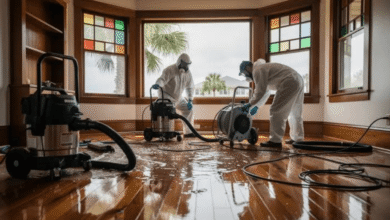
Basement flooding is a common issue that can cause significant damage to homes if not addressed promptly. It often results from foundation cracks, poor drainage, or heavy rainfall. The most effective way to prevent basement flooding is through a combination of proper maintenance, timely repairs, and installing protective measures such as sump pumps or improved grading around the foundation.
Many homeowners store valuable items in their basements, making it crucial to understand how to identify early signs of water intrusion and take action quickly. Addressing smaller problems like leaky windows or clogged gutters before water accumulates can save considerable time and money.
Knowing the causes, prevention tips, and immediate steps to take if flooding occurs can protect not only the basement but also the overall safety and value of a home. This article provides clear, practical guidance to help homeowners minimize the risk and impact of basement flooding.



Causes and Risks of Basement Flooding
Basement flood results from specific sources of water intrusion and can bring significant consequences to the home environment. It creates risks that extend beyond immediate water damage, affecting both health and the structural soundness of the property.
Common Causes of Water Intrusion
Basements often flood due to excessive rainfall that overwhelms drainage systems. When stormwater cannot be redirected quickly, it accumulates around foundation walls and seeps inside. Poor grading around the home or clogged gutters can worsen this problem by directing water toward the basement.
Sump pump failure is another frequent cause, commonly triggered by power outages or mechanical issues. Without a functioning pump, groundwater or rainwater builds up. Sewer backups may also introduce contaminated water through floor drains or plumbing fixtures, compounding the flooding issue.
Potential Health Hazards
Flooded basements create an environment conducive to mold and mildew growth. These fungi release spores that can cause respiratory problems, allergies, and exacerbate asthma. Prolonged moisture also increases bacteria and chemical contamination risks from sewer water or polluted storm runoff.
Standing water heightens the risk of electrocution, especially if electrical systems are submerged or damaged. Homeowners should avoid entering flooded areas until power is securely off. Additionally, lingering dampness can lead to poor indoor air quality long after visible water recedes.
Structural Damage Concerns
Basement flooding threatens a building’s structural integrity by saturating foundation walls and floors. Water pressure can cause cracks or bowing, weakening the foundation over time. Wood framing and drywall exposed to moisture may warp, rot, or deteriorate, leading to costly repairs.
Persistent wetness can damage insulation, flooring materials, and personal belongings. Electrical components in basements risk short circuits and corrosion. Addressing water intrusion swiftly is critical to minimizing long-term structural damage and preserving home value.
See also: Minimalist Living: How to Keep Your Home Tidy
Prevention and Solutions for Basement Flooding
Basement flooding can be managed effectively by addressing water flow around the home, reinforcing the structure against moisture, and maintaining key components regularly. These steps help reduce the chance of water intrusion and limit damage if flooding occurs.
Effective Drainage Systems
A well-designed drainage system directs water away from the home’s foundation. This includes gutters and downspouts that are clear of debris and extend at least 3 to 4 feet from the foundation. Downspouts should discharge water onto solid ground or into a drainage pipe.
French drains around the perimeter help collect and channel groundwater away from the basement walls. Installing surface grading with a slope of at least 6 inches over 10 feet away from the home reduces pooling near the foundation.
Subsurface drainage like sump pumps actively remove water that collects in a pit beneath the basement floor. Battery backup for sump pumps ensures operation during power outages, which is crucial in storm conditions.
Basement Waterproofing Methods
Waterproofing protects basement walls and floors from moisture penetration. Applying exterior sealants or membranes blocks water from seeping through cracks and porous surfaces.
Interior options include epoxy coatings and waterproof paint, which create a moisture barrier on walls. For deeper protection, interior drainage systems channel water to a sump pump before it causes damage.
Foundation repairs are important. Sealing cracks with hydraulic cement or expanding polyurethane foam prevents leaks. In some cases, installing a vapor barrier on the basement floor limits moisture rising from the ground.
Routine Maintenance Tips
Regular inspection and upkeep keep prevention systems functioning. Homeowners should check gutters and downspouts every season to remove leaves and debris.
Sealing visible cracks as soon as they appear stops leaks from worsening. It’s also important to test sump pumps twice a year and clean their pits to ensure they work during heavy rain.
Clearing the area around the foundation of vegetation and ensuring proper soil grading prevents water accumulation. Monitoring humidity levels inside the basement helps detect early signs of moisture problems.