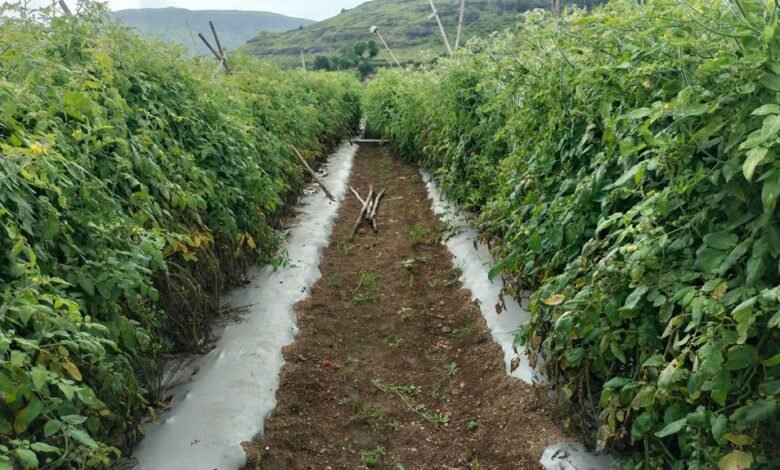
Sustainable crop management combines soil health, water efficiency, pest control, and crop diversity to build resilience. Core practices include cover crops, organic matter addition, efficient irrigation with sensors, and integrated pest management. Regular crop rotation and diversification, precise nutrient stewardship, and on-farm recycling further support long-term productivity. These methods work together to reduce waste and dependence on chemicals. The payoff is a steadier yield under variable conditions, but the path requires careful planning and ongoing evaluation.
What Sustainable Farming Is and Why It Matters
Sustainable farming is an approach that seeks to meet current agricultural needs without compromising the ability of future generations to meet theirs, by balancing productive output with long-term ecological health.
This approach emphasizes resilient systems, evidence-based decisions, and practical practices that protect soil health and stabilize water cycles, aiming for steady productivity while reducing environmental disruption and enhancing farm-level adaptability and fairness.




Build Healthy Soil First: Cover Crops and Organic Matter
Healthy soil forms the foundation of productive and resilient farming systems.
Build soil health by integrating cover crops that protect soil structure, suppress weeds, and cycle nutrients.
Regular incorporation of organic matter—compost, manure, or residues—boosts soil organic matter, improves moisture retention, and supports microbial activity.
This approach enhances long-term yields, sustainability, and farmer autonomy.
Conserve Water With Efficient Irrigation and Moisture Management
Effective water management starts with irrigation design and timing that match crop water demand and local climate. A practical approach emphasizes Water efficient irrigation methods, such as drip or micro-sprinklers, reducing losses and promoting uniform soil moisture. Deploy soil moisture sensors to guide scheduling, minimize overwatering, and protect yields. Routine monitoring supports transparent decisions, enabling resilient, low-input farming aligned with freedom and resource stewardship.
Minimize Chemical Inputs Via Integrated Pest Management
New approaches to pest control build on the moisture-conserving, low-input practices discussed earlier by reducing reliance on chemical inputs. Integrated Pest Management emphasizes pest biology, monitoring, and non chemical options, combining cultural controls, habitat manipulation, and trap strategies. Seasonal timing guides actions, while biodiversity benefits from diversified habitats. This framework favors responsible decisions and freedom through evidence-based, practical, low-impact strategies.
Crop Rotation and Diversification for Resilient Fields
Crop rotation and diversification are foundational strategies for building soil health, reducing pest and disease pressures, and sustaining yields over time.
The approach emphasizes predictable schedules, nutrient balance, and adaptive planning.
Practical outcomes include improved resilience to weather variability and lower input needs.
Key terms include crop rotation and diversification patterns, guiding farmers toward flexible, evidence-based field management and sustainable productivity.
Agroforestry and Intercropping for Long-Term Productivity
Agroforestry and intercropping integrate trees, shrubs, and/or perennial biomass with crops to enhance resource use efficiency, diversify production, and stabilize yields over time. This approach leverages complementary plant traits and spatial arrangements to reduce risk and improve resilience. Evidence supports measurable agroforestry benefits, including soil health and microclimate buffering, while thoughtful intercropping design optimizes pest suppression and resource capture for sustained productivity.
Precision Farming: Data-Driven Decisions to Cut Waste
Precision farming uses sensor data, mapping, and analytics to apply inputs where and when they are needed, reducing waste and environmental impact. It relies on precision analytics to interpret field variability and guide decisions, while data visualization presents actionable patterns. Farmers can optimize resources, minimize runoff, and maintain yields through disciplined, evidence-based management that supports a freedom-oriented approach to sustainable farming.
Nutrient Stewardship: Balanced Fertilization and Recycling
Nutrient stewardship centers on balanced fertilization and recycling to maintain soil health, optimize plant uptake, and minimize environmental impact. The approach emphasizes soil testing, tailored nutrient budgets, and timing aligned with crop needs.
Practices include on farm composting, efficient delivery methods, and recycling nutrients from residues. This framework supports resilient yields while protecting waterways and ecosystems.
Waste Reduction and On-Farm Resource Recycling
Waste reduction and on-farm resource recycling focus on minimizing inputs and repurposing residues to conserve resources and protect the environment. The approach emphasizes practical practices, quantified by measurable savings and outcomes. By organizing waste streams, farmers improve resource conservation, reduce disposal costs, and boost farming efficiencies. On-farm recycling supports soil health, water quality, and resilient production without compromising freedom to innovate.
Monitoring, Adaptation, and Continuous Improvement
Monitoring metrics and trends provide a foundation for assessing crop performance and resource use over time.
Adaptive management enables timely adjustments based on data, field observations, and emerging evidence.
This approach supports continuous improvement by linking monitoring results to practical changes in practice and decision-making.
Monitoring Metrics And Trends
Effective monitoring of crop systems requires selecting relevant metrics, collecting reliable data, and interpreting trends to guide timely decisions. Monitoring metrics and trends focus on practical data collection, transparent interpretation, and actionable feedback loops. Soil metrics and trend analysis inform management choices, help detect deviations early, and support continuous improvement while preserving resource health and economic viability for diverse farming contexts.
Adaptive Management And Improvement
Adaptive management and continuous improvement anchor resilient farming systems by linking monitoring, adaptation, and learning into iterative decision cycles. This approach emphasizes evidence-based adjustments, rapid feedback loops, and adaptive feedback to refine practices while acknowledging uncertainties.
Boundary testing challenges assumptions, highlights limits, and informs scalable improvements. Through disciplined evaluation, management remains responsive, transparent, and capable of sustaining productivity amid evolving environmental conditions.
Frequently Asked Questions
How Can Farmers Measure Long-Term Soil Health Gains Effectively?
Long-term soil health gains can be measured via soil carbon trends, microbial diversity monitoring, and irrigation efficiency metrics, complemented by greenhouse gas reduction practices and market incentives for sustainability, providing practical benchmarks accessible to farmers seeking freedom.
What Small-Scale Practices Boost Biodiversity on Farms?
Small-scale practices that boost biodiversity on farms include maintaining diversified hedgerows, enhancing habitat complexity, and protecting soil biota; these steps support wild pollinators and create resilient systems suited for farmers seeking freedom and practicality.
Which Metrics Indicate True Irrigation Efficiency Improvements?
Irrigation efficiency improvements are indicated by stable soil moisture, higher water productivity, and consistent crop yield gains under controlled water applications; measure via soil probes, ET estimates, and yield per hectare to confirm practical gains.
How Can Markets Reward Sustainable Farming Outcomes Economically?
Markets reward sustainable outcomes when price signals reflect soil health gains, enabling investment in practices. Measurement methods must be transparent; robust data show outcomes. This approach supports freedom to innovate, aligning incentives with measurable, long-term soil and ecosystem benefits.
What Are Simple Methods to Reduce Farm Greenhouse Gas Emissions?
“Even simplicity matters.” The farmer reduces emissions through soil carbon stewardship, cover crops, agroforestry, and precision irrigation; practical, evidence-based steps show measurable gains, offering freedom to improve sustainability while lowering farm greenhouse gas outputs.
Conclusion
A practical, evidence-based view shows sustainable farming hinges on soil health, efficient water use, and timely pest management. By integrating cover crops, organic matter, precise irrigation, and diversified cropping, farms build resilience and long-term productivity. The theory that “less input equals better outcomes” holds when inputs are strategic, not minimal. Continuous monitoring and adaptive decisions reveal that incremental improvements compound, reducing risk and waste while stabilizing yields—proof that sustainable practice, when applied consistently, works.