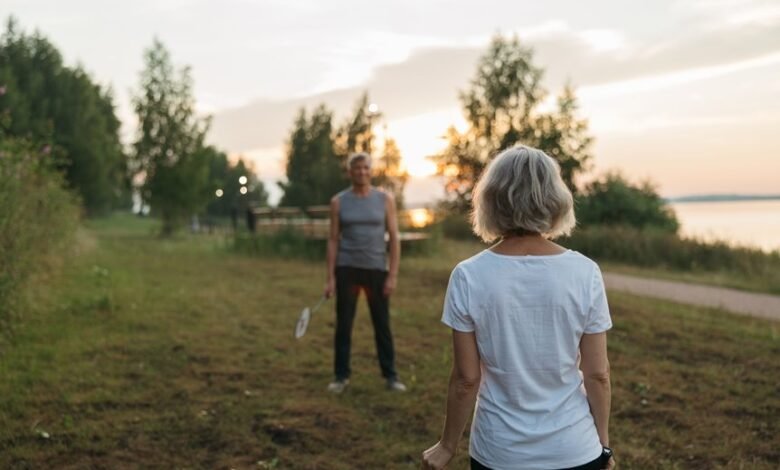
Outdoor hobbies offer a structured path to both physical fitness and mental wellbeing. Activities such as hiking, cycling, and rock climbing build endurance and strength while varying terrain promotes neuromuscular coordination. Nature exposure supports attentional restoration and stress reduction, with mindfulness and journaling enhancing presence. A pace-matched approach helps sustain motivation amid busy schedules. The evidence points to practical, scalable options, yet choosing where to start presents a real decision—and the next step may matter more than the choice itself.
What Outdoor Hobbies Boost Physical Strength and Endurance
Outdoor activities that involve sustained physical effort, such as hiking, cycling, trail running, and rock climbing, consistently build cardiovascular fitness, muscular strength, and endurance.
These pursuits support outdoor strength and endurance building through progressive overload, varied terrains, and periodization.




Athletes note improved neuromuscular coordination and grip stability, while recreational participants gain functional capacity.
Benefits accrue with consistency, recovery, and balanced training that respects individual limits.
How Outdoor Activities Sharpen Mental Clarity and Reduce Stress
Engaging in outdoor activities can enhance mental clarity and reduce stress through multiple, complementary mechanisms. Exposure to natural environments supports attentional restoration and lower cortisol levels, while physical activity boosts endorphins and neurotrophins. Mindful breathing and sustained focus on nature sounds promote present-moment awareness, improving cognitive flexibility. These effects are observable, measurable, and accessible for diverse participants seeking freedom and balance.
Quick-Start Guide: Choose the Right Outdoor Hobby for Your Pace
Many people can find a pace that fits their goals by matching activity intensity and duration to personal preferences and physical condition. Quick start guidance emphasizes assessing energy, endurance, and time constraints, then selecting activities with similar pace compatibility.
A methodical approach favors gradual increases, measured outcomes, and adaptable plans, enabling sustained engagement and minimizing injury while supporting health benefits.
Cardio-Friendly Outdoor Hobbies for Busy Weeks
Busy weeks demand efficient ways to maintain cardiovascular fitness, and the previous guidance on selecting pursuits with appropriate pace informs the present focus on cardio-friendly outdoor activities. Evidence indicates brisk, time-efficient options such as interval-style runs, cycling bursts, and hike-fast routes can sustain heart health. These activities support busy weeks by balancing exertion with flexibility, promoting cardio-friendly habits during demanding schedules.
Mindfulness-in-Nature Hobbies That Calm the Brain
Mindfulness-in-nature activities offer practical avenues to calm the brain by combining intentional attention with natural surroundings. Evidence suggests structured mindfulness practice can reduce stress markers and enhance attentional control in outdoor settings.
Nature journaling supports reflective awareness and sensory detail, fostering sustained engagement. These approaches are accessible, flexible, and respect personal pace, inviting consistent, freedom-supporting participation in everyday landscapes.
Social and Solo Outdoor Options to Sustain Motivation
Social and solo outdoor activities offer distinct motivation pathways, with social options highlighting accountability, encouragement, and shared goal setting, while solo approaches emphasize autonomy and personal pacing.
Evidence suggests that combining both modes can sustain engagement by balancing social reinforcement with intrinsic motivation.
This discussion focuses on social motivation tactics and solo sustains momentum as foundational elements for long-term participation.
Social Motivation Tactics
One effective approach to sustaining outdoor activity is leveraging social and solo motivation tactics that balance accountability with personal autonomy. Social motivation relies on structured groups or partners, providing shared goals and feedback while preserving individual choice. Friendly accountability helps maintain consistency without coercion, fostering commitment.
Mechanisms include regular check-ins, group challenges, and voluntary accountability partners to sustain momentum through communal encouragement.
Solo Sustains Momentum
Solo sustains momentum through deliberate, autonomous strategies that complement social supports.
In solo contexts, motivation sustainment relies on clear goals, routine consistency, and self-monitoring.
Individual outdoor activities offer immediate feedback, enhancing confidence and adherence.
Regular pacing, progress tracking, and flexible scheduling reduce burnout.
When paired with occasional social check-ins, solo momentum remains resilient, supporting long-term wellness without dependence on others.
Turning a Hobby Into a Sustainable Routine You’ll Actually Keep
Consistent habit building, accessible routine design, and accountability and support are core factors in turning an outdoor hobby into a sustainable practice.
Evidence suggests that small, regular commitments paired with clear plans and user-friendly options increase adherence across diverse individuals.
Structured cues, practical progress tracking, and social or institutional support further reinforce long-term consistency.
Consistent Habit Building
To turn a hobby into a lasting routine, individuals should anchor activities to existing habits and set clear, measurable goals that align with personal values.
Consistent habit formation supports long term maintenance by reducing decision fatigue and building automaticity.
The approach emphasizes trackable progress, realistic pacing, and flexibility, enabling sustainable engagement with outdoor hobbies while preserving autonomy and a sense of freedom.
Accessible Routine Design
Accessible Routine Design focuses on shaping outdoor hobbies into sustainable, keepable practices by prioritizing practical structure, flexibility, and measurable progress. The approach emphasizes minimal subtopic misalignment and avoidance of irrelevant themes, ensuring routines remain purpose-driven. It favors adaptable schedules, clear objectives, and gradual habit formation. Evidence suggests gradual progression supports long-term adherence, reducing burnout while preserving autonomy and freedom in outdoor activities.
Accountability and Support
Habit formation through accountability and social or structural support increases adherence to outdoor hobbies by providing clear expectations, feedback, and reminders.
In practice, accountability partners and support networks offer regular check-ins, goal tracking, and shared routines, enhancing motivation without coercion.
This approach reduces attrition, sustains engagement, and aligns outdoor activities with personal values, fostering consistent, autonomous habit development for lasting health benefits.
Frequently Asked Questions
How Long Until I See Health Benefits From Outdoor Hobbies?
Outdoor activity timelines vary, but measurable health gains often appear after 4–8 weeks of consistent engagement, with stronger effects over several months. Evidence-based patterns indicate gradual improvement in mood, fitness, and stress regulation through sustained outdoor exposure.
Which Outdoor Hobby Fits My Budget and Space?
A beginner should choose budget friendly, space conscious options like brisk walking, calisthenics in a small park, or urban cycling; these maximize accessibility, require minimal gear, and support consistent practice without excessive financial or spatial demands.
Can Kids Join These Outdoor Health Activities Safely?
Kids can join safely with proper supervision requirements, focusing on kid safety and budget friendly options; beginner gear checks reduce risk. Evidence-based practices show accessible activities support autonomy and freedom while maintaining safety, supervision, and affordable equipment considerations.
Do I Need Special Gear or Training to Start?
Visioning a dawn trail, one notes: no, not necessarily—specialized gear or professional training may be optional. For many, simple comfort suffices; safety basics and reputable guidance enable gradual adoption, supported by evidence and measured, freedom-loving curiosity.
How to Stay Motivated During Bad Weather?
Staying motivated during bad weather hinges on adaptive planning and accountability; weather-influenced routines reduce disruption, while objective tracking of small wins sustains momentum. A detached observer notes consistency, credible pacing, and evidence-based strategies support enduring engagement.
Conclusion
Outdoor hobbies offer measurable benefits across physical and mental domains, with evidence supporting improvements in cardiovascular fitness, strength, and neuromotor coordination from varied terrain and progressive challenges. Mindfulness and nature exposure contribute to stress reduction and cognitive restoration. A paced, consistent approach—whether solo or social—supports adherence and long-term well-being. Like training wheels on a bike, structured, enjoyable outdoor activities help sustain motivation and form lasting healthy habits, aligning activity with daily life while enhancing overall resilience.