Summer in Mississauga can make your air conditioner feel like it’s running a marathon with no training. Hot afternoons, humid nights, airborne debris, and sudden storms can keep the system working for hours at a time. Even if your home remains comfortable, that heavier workload may be wearing down components and raising your electricity use behind the scenes.
Warning signs like weak airflow, uneven cooling, unusual noises, or frequent cycling deserve attention before the next heat wave hits. Scheduling air conditioning repair in Mississauga early can help you avoid a complete breakdown during the weeks when local technicians are busiest. More importantly, timely service can identify whether the problem comes from routine summer strain or a failing component that needs immediate attention.
Humidity Keeps the System Running Longer
Your AC does two jobs at once: it lowers the indoor temperature and removes moisture from the air. Mississauga’s humid summer weather makes that second job particularly demanding. When outdoor humidity stays high, the system may need longer cooling cycles to make your home feel comfortable.




Excess moisture also drains away as condensation. If the condensate line becomes blocked by dust, algae, or debris, water may collect around the indoor unit or trigger a safety switch that shuts the system down. Musty smells and unexplained moisture near the furnace or air handler can indicate a drainage problem.
Heat Puts Pressure on Outdoor Components
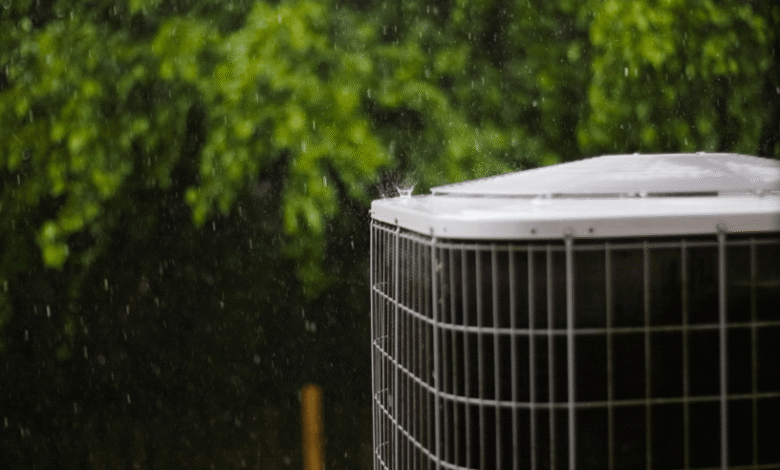
The outdoor condenser releases heat absorbed from inside your home. On extremely hot days, it must perform that job while sitting in direct sunlight and surrounded by already-warm air. Dirty coils, restricted airflow, or aging parts make heat transfer even more difficult.
Grass clippings, cottonwood fluff, pollen, and other debris can collect against the condenser fins. This buildup forces the compressor and fan motor to work harder, potentially increasing energy consumption and accelerating wear. Keep plants and stored items away from the unit, but leave coil cleaning and internal inspections to a qualified technician. The delicate fins bend easily, and improper washing can damage electrical components.
Your Filter May Clog Faster Than Expected
Open doors, home renovations, pets, and seasonal pollen can load an air filter faster during summer. Once the filter becomes clogged, less air passes through the system. Your AC may run longer while delivering weaker airflow to the rooms farthest from the equipment.
A severely restricted filter can also contribute to frozen evaporator coils. Despite the summer heat, ice forms when inadequate airflow prevents the coil from absorbing enough warmth. If you notice ice, water near the indoor unit, or air that is no longer cold, turn off the cooling system and arrange an inspection. Continuing to run it could place additional strain on the compressor.
See also: Removing Heavy Smoke Smells From Your Home
Small Problems Become Expensive During Heat Waves
A worn capacitor, loose electrical connection, or struggling fan motor may cause only occasional trouble during mild weather. Extended operation during a heat wave can push that weakened part to failure. You may notice delayed starts, clicking sounds, short cooling cycles, or a sudden increase in electricity use before the system stops working.
Pay attention to changes in how your AC behaves rather than waiting for warm air to come from the vents. Replace or inspect the filter regularly, keep the outdoor unit clear, and use curtains or blinds to reduce afternoon heat gain. A programmable thermostat can also prevent unnecessary operation when nobody is home.
Your air conditioner’s condition at the end of summer often determines how reliably it starts the following year. If the unit seems louder, slower, or less effective than it was in June, arrange professional service while the symptoms are still manageable. Acting early gives you more time to consider repair options without making a rushed decision during the next stretch of extreme heat.