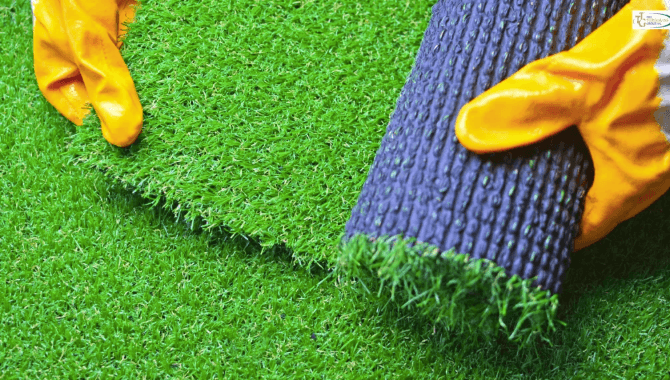
Choosing the right turf species for your property is one of the most important decisions you will make when establishing or renovating a lawn. The wrong variety can struggle with local conditions, require excessive maintenance and fail to deliver the lush, durable surface you envisioned. Understanding the key factors that influence turf performance helps homeowners and landscapers make confident, informed decisions that produce lasting, attractive results.
Climate and regional considerations
Climate is the most fundamental factor in turf selection. Warm-season grasses such as buffalo, couch and zoysia thrive in Queensland and subtropical New South Wales, where high temperatures and humidity create conditions these varieties are bred to handle. Cool-season grasses including fescue and ryegrass perform better in southern Australia’s cooler winters but can struggle significantly during hot, dry summers without intensive irrigation and management.
Working with experienced local suppliers for turf supplies Hervey Bay means you benefit from advice tailored to Wide Bay’s specific conditions, rainfall patterns and soil types rather than relying on generic recommendations.



Rainfall and irrigation availability should heavily influence your variety selection. Some turf species have exceptional drought tolerance and can survive extended dry periods with minimal supplemental watering, while others require consistent moisture to maintain their appearance and health. Understanding your local rainfall patterns and the cost and availability of irrigation infrastructure helps you select a variety that will thrive within your practical water management capabilities.
Shade tolerance varies considerably between turf species and should be carefully assessed against your property’s canopy coverage. Many warm-season varieties perform poorly in areas shaded by trees, buildings or structures, thinning out progressively until bare patches develop. Zoysia and soft-leaf buffalo grasses offer superior shade tolerance compared to couch varieties, making them preferable choices for properties with significant overhead shading throughout the day.
Soil preparation and site assessment
Thorough soil preparation is essential for successful turf establishment, regardless of the variety selected. Compacted, nutrient-poor or poorly draining soils prevent healthy root development and lead to ongoing performance problems that are difficult and expensive to correct after installation. A soil test conducted before installation reveals pH levels, nutrient deficiencies and structural issues that should be addressed with appropriate amendments before laying turf.
Drainage is a critical site factor that determines how well turf will establish and perform over time. Poorly drained areas are prone to waterlogging after heavy rainfall, which suffocates roots and creates conditions favouring fungal disease and weed invasion. Where natural drainage is inadequate, installing a subsurface drainage system before turfing prevents these problems and extends the productive life of your investment significantly.
Site grading ensures surface water flows away from buildings and structures rather than pooling on the lawn or creating runoff problems. A professional installer will assess the existing levels and, where necessary, re-grade the surface to achieve the appropriate slope. Correct grading contributes to both the visual appearance of the finished lawn and its long-term performance under varying weather conditions throughout the seasons.
Variety characteristics and performance
Buffalo grass varieties including Sir Walter, Palmetto and Sapphire are among the most popular choices for Australian homeowners due to their broad adaptability, soft texture and ability to handle moderate foot traffic. These varieties establish quickly, recover well from wear and maintain an attractive appearance with relatively modest maintenance inputs. Their improved shade tolerance compared to most other warm-season varieties makes them suitable for a wide range of property types.
Zoysia grasses offer a fine, dense texture and exceptional wear tolerance that makes them suitable for high-use areas including sports fields, golf course fairways and busy family lawns. Their slow growth rate means less frequent mowing and lower fuel costs over time, though the initial establishment period is longer than faster-growing alternatives. Zoysia also demonstrates excellent salt tolerance, making it a practical choice for coastal properties exposed to sea spray.
For celebrations and outdoor events on your lawn, services such as lolly wall hire are popular additions that work best on level, well-maintained turf that can handle foot traffic from guests throughout the event.
Kikuyu grass is valued for its vigorous growth, exceptional drought tolerance and rapid recovery from wear. While these qualities make it suitable for sporting applications and rural properties, kikuyu’s aggressive spreading habit can create problems in gardens where it invades garden beds and competes with other plants. Careful edge management and containment measures are necessary when using kikuyu in residential settings to prevent it becoming a maintenance burden.
See also: Cleveland Business Tech Services: Local Expertise, Global Infrastructure
Installation and establishment
Professional installation significantly improves the success rate of new turf projects. Experienced installers understand how to prepare soil correctly, lay turf to minimise visible joints and seams, and provide the initial establishment care that gives new grass the best possible start. Attempting installation without adequate preparation or expertise frequently results in poor establishment, excessive wastage and ongoing performance problems that require costly remediation work.
The establishment period following installation requires careful attention to watering, fertilisation and traffic management. Most new turf requires daily watering for the first two to four weeks until roots have penetrated the soil and the grass can access moisture independently. Avoiding heavy foot traffic during this period prevents soil compaction and allows the root system to develop the depth and density needed for long-term performance and durability.
Selecting a turf variety suited to your climate, soil, use requirements and maintenance capacity is an investment that pays dividends for years. With careful preparation, appropriate variety selection and professional installation, a well-chosen turf creates a durable, attractive outdoor space that enhances your property’s value and provides a functional surface for family activities, entertaining and everyday enjoyment throughout the seasons.
Maintaining your selected turf variety according to the supplier’s recommended program significantly influences how closely the finished lawn matches expectations. Fertilisation schedules, mowing heights and seasonal adjustments recommended for each specific variety reflect the agronomic knowledge accumulated through years of production and customer experience. Following these recommendations rather than applying generic lawn care advice gives your turf the best opportunity to develop the density, colour and durability that made the variety an attractive choice.