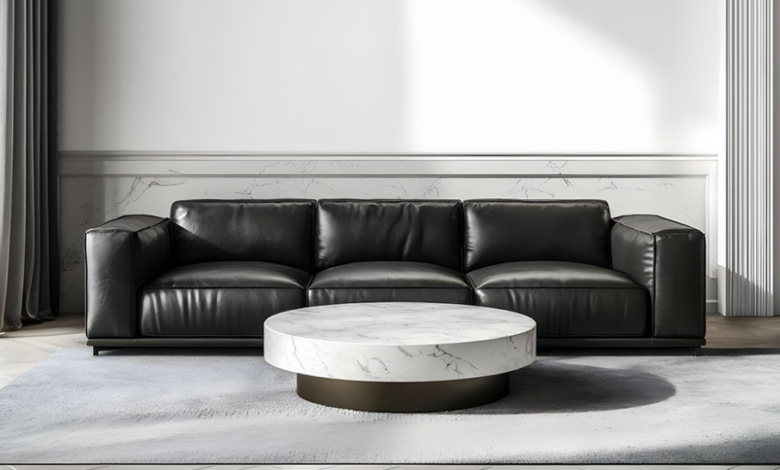
Choosing the perfect furniture goes beyond aesthetics. Comfort and durability are essential considerations that determine how well your pieces serve you day after day. Whether you are selecting a sturdy dining table, versatile storage unit, or leather lounge suites for your Perth home, focusing on quality ensures your home remains both practical and inviting. Making thoughtful choices today not only enhances the look and feel of your space but also saves time, effort, and money in the long run, creating a home that truly combines style, comfort, and longevity.
Key Factors to Consider When Choosing Furniture
Understanding Your Needs
Before you begin shopping for furniture, it is important to understand how you intend to use each piece. Consider whether a sofa will be used primarily for lounging, entertaining guests, or both. For dining tables, think about the number of people who will regularly use it and whether you often host gatherings. Identifying your daily needs and lifestyle requirements helps in choosing furniture that provides the right balance of comfort and practicality.
It is also helpful to evaluate your existing space. Measure the areas where furniture will be placed to ensure that new pieces fit comfortably without overcrowding the room. Taking note of natural light sources and the room’s layout can influence your choice of materials, colours, and shapes that will harmonise with your surroundings.



See also: What Areas Of Your Home Need Better Insulation?
Prioritising Comfort
Comfort should always be at the forefront when selecting furniture, particularly for items you will use frequently, such as sofas, chairs, and mattresses. Test furniture where possible before purchasing. Sitting in chairs or lying on mattresses gives you a real sense of how comfortable they will be for everyday use. Pay attention to how the furniture supports your posture and whether it allows you to relax without strain. For multi-purpose pieces, such as sleeper sofas, check that they are comfortable both for sitting and sleeping.
Choosing Durable Materials
When selecting furniture, one of the most important considerations is the longevity of the materials used. Durability is essential for furniture that will be subjected to regular use.
- Look for high-quality materials that can withstand wear and tear while maintaining their appearance. Solid timber wood is renowned for its strength and longevity, making it a preferred choice for tables, chairs, or bed frames.
- For upholstery, fabrics that are tightly woven and stain-resistant are ideal for high-traffic areas. Leather is another durable option, offering both comfort and a sophisticated aesthetic.
- Metal furniture, especially that with powder-coated finishes, can provide sturdy support and a modern look.
Investing in furniture built from such resilient materials not only enhances everyday comfort but also reduces the need for replacements, providing lasting value for the home.
Considering Maintenance and Longevity
Furniture that is easy to maintain is more likely to stay comfortable and durable over time. Look for finishes that resist stains and scratches. For wooden furniture, consider pieces with protective coatings or veneers that enhance their durability while requiring minimal upkeep. Upholstered furniture should be vacuumed regularly and treated promptly to preserve its appearance and comfort.
It is also worthwhile to think about modular or adaptable designs. Furniture that can be updated with new cushions, covers, or components extends its lifespan and allows you to refresh your space without a full replacement. This approach is both economical and environmentally conscious.
Balancing Style and Practicality
While comfort and durability are paramount, aesthetic appeal should not be overlooked. Choose furniture that complements your interior style while meeting functional needs. Neutral colours and timeless designs are versatile and can adapt to evolving tastes. Avoid pieces that are overly trendy if you are seeking long-term value, as they may feel outdated more quickly.
It is possible to achieve a harmonious balance between style, comfort, and durability by focusing on classic designs crafted from quality materials. Layering textures and mixing materials can also create visual interest while maintaining functionality.
Making an Informed Investment
Furniture is an investment in both your home and lifestyle. Taking the time to research brands, read reviews, and inspect products ensures that your choices are informed. Consider warranties and return policies, as these can provide peace of mind and protection against defects or premature wear.
Ultimately, selecting furniture for comfort and durability requires a thoughtful approach that considers your needs, the quality of materials, construction, and ongoing maintenance. By prioritising these factors, you can create a comfortable, practical, and inviting environment that remains beautiful and functional for years to come.
Conclusion
Selecting furniture that combines comfort and durability is a decision that goes beyond mere aesthetics. By carefully considering your daily needs, prioritising comfort, choosing high-quality and long-lasting materials, and factoring in maintenance, you can ensure that each piece serves your home effectively for years. Thoughtful investments in furniture today save time, effort, and money in the long term while enhancing the overall quality of your living environment. Ultimately, a well-chosen piece of furniture is an investment in both comfort and lifestyle, providing enduring value and satisfaction for your home.
Frequently Asked Questions
How can comfort be tested before buying furniture?
Sitting in chairs, lying on mattresses, or trying out sofas provides an accurate sense of support, posture alignment, and relaxation.
Is it better to choose neutral colours for furniture?
Yes, neutral colours and timeless designs are versatile, blend with existing decor, and adapt to changing styles, offering long-term value.
How can furniture be maintained to extend its lifespan?
Regular cleaning, vacuuming, prompt treatment of stains, and protective finishes on wood or upholstery help preserve furniture. Modular or adaptable designs also allow components to be updated without replacing the entire piece.
Does durable furniture always cost more?
Durable furniture may have a higher upfront cost but provides greater value over time by reducing the need for frequent replacements and maintenance.
What materials are best for long-lasting furniture?
Solid timber, tightly woven fabrics, quality leather, or metal are excellent choices for durability and long-term comfort.