Paid old age homes in Bangalore are becoming a practical solution for families whose ageing parents need safety, medical care, and companionship. With children often living in other cities or abroad, seniors may struggle with daily tasks, health monitoring, and loneliness.
Professionally managed care homes provide trained staff, safety features, regular medical supervision, and structured daily routines that support both physical and emotional wellbeing.
Monthly costs vary based on care levels. Basic facilities offer meals and assistance, while premium homes provide 24×7 nursing, rehabilitation, and specialised dementia care. Compared to managing multiple caregivers at home, care homes often provide more reliable support and social engagement.




Families should visit facilities, check staff ratios, review emergency preparedness, and ensure future care needs can be managed. Many homes also offer trial stays and digital updates for families living far away.
Choosing the right care home helps seniors live with dignity and security while giving families peace of mind.
Introduction
Many families worry about ageing parents who live alone. Traffic delays emergency care. Falls become more common with age. Cooking and daily chores grow difficult. Loneliness slowly sets in.
Often, families begin exploring care options after a fall, a hospital discharge, or when managing daily care at home becomes overwhelming.
This is why many families now consider paid old age homes in Bangalore. These are not just places to stay. They provide safety, medical support, daily assistance, and companionship.
This guide explains what families need to know — care options, costs, and how to choose wisely.
Why Demand Is Growing in Bangalore
India’s senior population is rising quickly. Today, people above 60 make up about 10% of the population. By 2050, this number may reach 20%.
Bangalore reflects this shift clearly. Children move abroad or to other cities for work. Large homes remain occupied by ageing parents alone.
Paid old age homes help bridge this gap. They combine familiar South Indian culture with professional medical care and daily support.
Why Families Choose Paid Old Age Homes
Modern life makes full-time caregiving difficult. Long work hours, unreliable domestic help, and limited nursing support create stress for families.
Professional care homes solve these challenges.
Trained staff monitor health changes early. Safety features reduce fall risk. Emergency care is available quickly.
Safety design often includes:
- anti-skid flooring
- grab bars in bathrooms
- wide doorways for walkers and wheelchairs
- night lighting for safe movement
Studies show that one in three seniors experiences a fall each year. A safe environment significantly reduces this risk.
Bangalore also offers strong healthcare access. Many care homes are located near leading hospitals, ensuring faster emergency response.
Cost of Paid Old Age Homes in Bangalore
Costs vary depending on services and medical support. Always request a detailed fee structure before deciding.
Basic Care: ₹25,000 – ₹45,000 per month
Includes:
- meals
- housekeeping
- basic assistance
- emergency nurse support
Shared rooms help reduce costs. This option suits active seniors who need minimal help.
Mid-Level Care: ₹50,000 – ₹85,000 per month
Includes:
- on-site nursing support
- medication management
- bathing assistance
- weekly doctor visits
- customised diet plans
This level suits seniors with moderate care needs.
Premium Care: ₹1,00,000+ per month
Includes:
- 24×7 nursing supervision
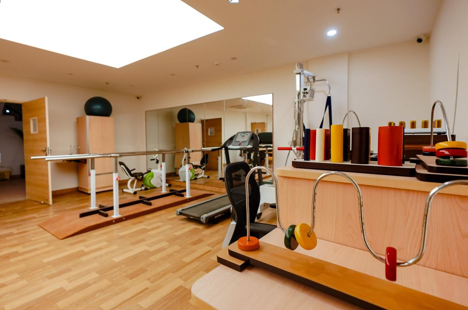
- Physiotherapy & rehabilitation
- Specialised dementia care
- Customised meal
- Private rooms
- Advanced medical monitoring
- Engagement
This level supports seniors with complex health conditions.
Hiring a nurse and cook at home can cost ₹60,000+ monthly. There is no backup if staff leave.
Social interaction remains limited.
A care home offers continuity, medical oversight, and community life.
See also: How Family Support Enhances Mental Health Treatment Success
Care That Adapts Over Time
Health needs change with age. Mobility may decline. Memory may weaken.
Quality care homes provide continuing care, which means support increases as needs evolve.
Residents may begin with wellness activities and light assistance. Later, they may receive wheelchair support, nursing care, or specialised memory care — all without shifting to a new facility.
Daily monitoring ensures early detection of health changes. Families receive timely updates.
Daily Life Inside a Senior Care Home
Life in a good care home follows a comfortable routine.
Mornings may begin with tea and gentle exercise. Nurses conduct quiet health checks. Nutritious breakfast follows.
Afternoons include recreation, reading, or social interaction. Gardens offer fresh air and relaxation.
Meals are familiar and balanced. Traditional foods such as rasam, idli, and vegetables are prepared with low salt and healthy oils.
Group activities, music sessions, and hobby clubs encourage friendships. Social engagement reduces loneliness and improves emotional wellbeing.
How to Evaluate the Best Care Homes
Visit more than once. Observe carefully.
Medical Readiness
Ask about emergency response protocols. Oxygen support and trained staff should be available.
Staff Ratio
Ideally, one caregiver should support five residents or fewer. Ask about night staffing.
Nutrition Planning
Meals should be planned by diet professionals. Special diets for diabetes or heart health must be available.
Future Care Needs
Confirm whether the facility can manage wheelchair care, bed care, or dementia support later.
Research shows that better staffing levels reduce hospital admissions and improve senior health outcomes.
Tips for Families Living Abroad
NRIs often struggle with guilt and distance. Professional care can provide reassurance and peace of mind.
Many care homes offer:
- Live video tours
- Health updates via WhatsApp
- English-speaking staff
- Regular communication with families
Trial stays (typically 15-30 days) help families evaluate comfort and care quality.
Renting a care facility instead of purchasing retirement property offers flexibility as health needs evolve.
Old Age Homes vs Retirement Communities
People often assume these two options are very different. In reality, the difference is small and often overlaps.
Retirement communities are designed for seniors who are largely independent. Residents live in private units, enjoy social activities, and benefit from a community environment. Assistance is limited and usually optional.
Paid old age homes (care homes) provide a similar community setting but add structured support. Staff assist with daily tasks, ensure medications are taken on time, monitor health, and provide medical supervision when needed.
Today, many facilities offer both independent living and assisted support within the same campus. Residents can start with independent living and shift to higher care if health needs change. Because of this integrated model, the line between the two is becoming very thin.
Instead of focusing on labels, families should evaluate:
- current health and mobility
- need for medical supervision
- safety requirements
- future care needs
The right choice is the one that provides comfort today and support for tomorrow.
Common Questions Families Ask
Can parents bring personal furniture?
Yes. Personal items make the space feel familiar and comfortable.
How is dementia care managed?
Memory care units provide secure environments, trained staff supervision, and calming routines.
Are cultural and festival traditions followed?
Most homes celebrate festivals and provide traditional foods while maintaining dietary guidelines.
Do costs increase later?
Fees may increase if care needs become more intensive. Discuss pricing policies upfront.
Is Bangalore more affordable than Mumbai?
Yes. Bangalore offers strong medical infrastructure at relatively lower costs.
Final Thoughts
Paid old age homes in Bangalore provide safety, medical support, and meaningful social engagement. They allow seniors to live with dignity while giving families peace of mind.
Visit a few facilities. Ask questions. Observe daily life.
The best choice is one that supports your parents today and continues to care for them as their needs change.
About the Author
This article is contributed by the Antara Care Homes team, part of the Max Group — a leading Indian business house with a strong legacy in healthcare and senior living.
Antara Care Homes provides professionally managed assisted living and transition care services designed to support seniors with safety, dignity, and clinical oversight. With a presence across major cities including Gurugram, Noida, Bengaluru, and Chennai, Antara operates eight care homes with a combined capacity of 500 beds and has supported thousands of seniors and families.
The care homes are designed with senior safety features such as anti-skid flooring, grab bars, emergency call systems, and 24×7 trained nursing support. Clinical protocols are aligned with hospital-grade practices, and select facilities follow NABH-aligned quality and safety standards to ensure high levels of care and governance.