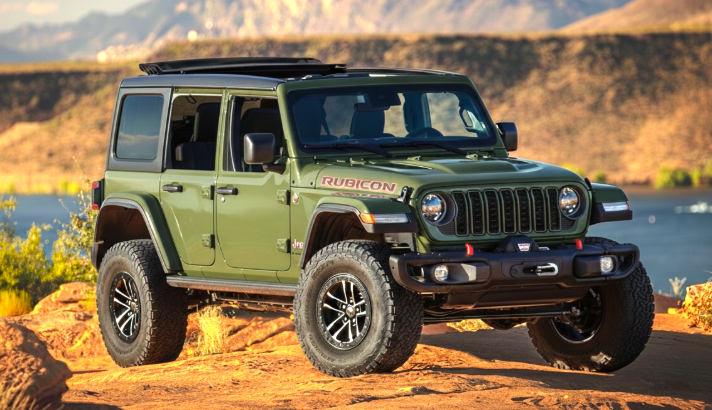
The Jeep TJ introduced coil spring suspension in 1997. Round headlights returned after the square YJ generation. Production continued through 2006 with a strong enthusiast following. This era combines modern reliability with classic open-air design. Buyers seek TJs for recreation and daily driving.
A well maintained jeep tj for sale demands inspection beyond paint and interior. Previous owners modified many examples for specific activities. Some TJs crawled rocks while others cruised highways. Current condition reflects decades of distinct usage patterns. Matching a vehicle to personal plans prevents future disappointment.
Frame Integrity Assessment
TJ frames use boxed construction that traps moisture internally. Drain holes collect debris and close completely over time. Water stands inside the metal and promotes hidden corrosion. Exterior paint sometimes looks sound above compromised steel.




Examine rear frame sections forward of the bumper mounts. Probe suspected soft areas with a flat screwdriver tip. Flaking rust beneath fresh undercoating indicates concealment attempts. Perforated frame sections require expensive professional repair.
Engine Choices Available
The 4.0-liter straight six delivers consistent torque across the power band. This engine tolerates neglect and continues running smoothly. Cylinder head casting revisions improved durability after 1999. Oil consumption indicates worn piston rings or valve seals.
Four-cylinder TJs offer lighter overall vehicle weight. Fuel economy improves noticeably with the smaller power plant. Highway passing requires additional planning and momentum. Both engines accept manual or automatic transmission pairing.
Roof Configuration Options
Factory soft tops feature large rear glass windows for visibility. Vinyl fabric folds down in minutes for open driving. Plastic windows scratch easily during careless lowering procedures. Replacement soft tops cost less than hardtop alternatives.
Factory hardtops include rear wiper and defroster electrical connections. Fiberglass construction provides security and a consistent cabin temperature. Top removal demands two people or a mechanical lifting device. Storage space requires garage ceiling height consideration.
Suspension And Tire Fitment
Stock TJ suspension performs capably on forest roads and gentle trails. Coil springs settle gradually over twenty years. Replacement springs restore the original ride height and handling. Lifted Jeeps accommodate larger tires for serious off-road terrain.
Common TJ Axle Ratios By Model:
- Sport models: 3.07 or 3.55 gearing for street driving
- Rubicon models: 4.10 gears with locking differentials
- Four cylinder models: 4.11 gears for smaller engine torque
- Dana 44 rear axles on Rubicon and tow package Jeeps
Transmission Types Encountered
Manual TJs use AX15 or NV3550 gearboxes. Both shift with deliberate mechanical precision. Clutch hydraulic systems require periodic fluid maintenance. Slave cylinder access requires transmission removal on later models.
Automatic transmissions feature three or four forward gears. The 32RH and 42RLE operate smoothly in low-range conditions. Overdrive gearing reduces engine speed during highway cruising. Cooler lines require inspection for rust and leakage.
See also: Concierge Services for Personalized Travel and Lifestyle Assistance
Vehicle History Documentation
Original window stickers remain with some long-term ownership situations. Build sheets inside seat springs, verify factory specifications. Service stamps inside maintenance booklets support mileage claims. Older photographs confirm vehicle appearance across previous decades.
Clean CARFAX reports reveal title brands and odometer disclosures. Private sellers retaining records demonstrate disciplined vehicle care. Incomplete history warrants cautious evaluation and price adjustment. Clean documentation adds measurable value to any listed jeep tj for sale.
Find Vintage Jeep Parts Suppliers With Verified Inventory
Factory TJ components grow scarcer each year. Original Mopar parts bins from the 1990s are now empty. Dash panels with correct grain patterns remain difficult to locate. Hardware fasteners with factory finishes require dedicated searching.
Specialists maintaining vintage Jeep inventory solve these problems daily. Their warehouses stock discontinued radiator supports and NOS body mounts. Staff members identify subtle year-to-year production changes immediately. Proper parts transform functional Jeeps into authentic representations.