Understanding the Importance of Professional Biohazard Cleaning
Why DIY Cleanup Can Be a Dangerous Choice
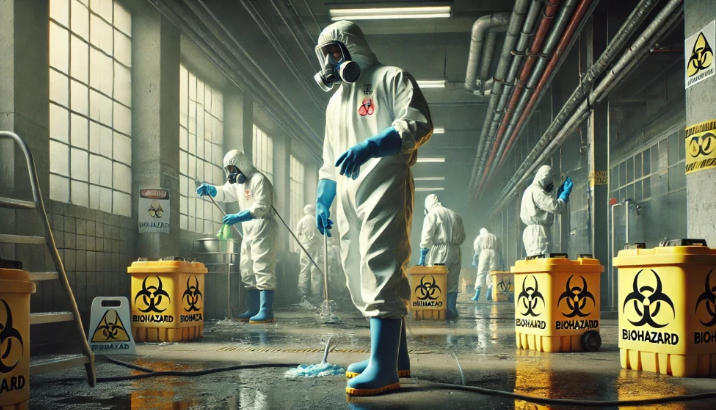
In the wake of a traumatic event, such as a crime scene or an unattended death, the thought of conducting a cleanup ourselves can be tempting, and for some, may seem cost-effective. However, opting for a DIY approach to biohazard cleanup is fraught with risks that can have far-reaching consequences. Biohazardous materials, including bodily fluids, chemical spills, and infectious pathogens, require specialized handling to ensure safety. Without the appropriate training, individuals may expose themselves to harmful substances that can lead to serious health issues, including infections and chronic diseases. Moreover, improper cleaning can exacerbate the problem, leading to contamination of the surrounding areas and the potential for legal liabilities. A professional biohazard cleaning team is equipped with the proper personal protective equipment (PPE), and the technical knowledge to clean, disinfect, and remediate hazardous sites effectively. The consequences of neglecting this critical factor extend beyond physical health; psychological stress can also escalate when confronting the aftermath of traumatic events, making it essential to rely on trained professionals who can manage the cleanup process compassionately and responsibly.
The Role of Biohazard Cleaning in Public Health
The impact of biohazard cleaning reaches far beyond the confines of affected properties; it’s a cornerstone of public health. Many biohazardous situations, including those involving contaminated surfaces or hazardous waste, pose risks to entire communities. The remnants of infectious disease outbreaks, suicides, or homicides can harbor pathogens for prolonged periods, posing significant health risks to unsuspecting individuals. By hiring professional biohazard cleaning services, we mitigate these dangers not just for ourselves, but for neighbors and future occupants. These cleaning services conform to industry standards, such as OSHA (Occupational Safety and Health Administration) regulations, to ensure that biological risks are effectively contained and neutralized. Professional cleaners are trained to dispose of hazardous materials according to local, state, and federal laws, ensuring that the cleanup process doesn’t inadvertently contribute to environmental harm or public health crises. The awareness and action that biohazard cleaning companies promote help cultivate safer communities, reaffirming the critical need for expert intervention in such distressing circumstances.
Common Situations Requiring Specialized Cleanup Services
While not an exhaustive list, some common scenarios that necessitate specialized biohazard cleanup include crime scenes, scenes of violence or accidents, unattended deaths, hoarding situations, and outbreaks of infectious diseases. Each scenario presents unique challenges that require a tailored approach. Crime scenes, for example, may not only involve biological hazards but also legal implications, requiring that evidence is preserved while cleaning occurs. In unattended deaths, bodily decomposition leads to a rapid increase in hazardous agent load; without swift intervention, this can lead to severe structural, odor, and health issues. Hoarding situations can complicate matters further; often there is a buildup of unsanitary conditions that are profoundly overwhelming. Additionally, with the rise of infectious diseases such as COVID-19, there is an intensified focus on the need for proper disinfecting of surfaces to eliminate pathogens and prevent the spread of illness. In light of the complexity inherent in these scenarios, the involvement of specially trained professionals is invaluable in ensuring both safety and efficacy during the cleanup process.



Key Factors to Consider When Selecting a Biohazard Cleaning Company
Certifications and Credentials: What You Should Look For
When it comes to biohazard cleanup, selecting a company that possesses the appropriate certifications and credentials is crucial in ensuring a safe and effective cleaning process. Industry certifications, such as those from the Institute of Inspection, Cleaning and Restoration Certification (IICRC) and the National Institute of Decontamination Specialists (NIDS), demonstrate a company’s commitment to adhering to professional standards and ongoing education in hazardous material handling. In addition to satisfactory certifications, it is also important to check their compliance with state and federal regulations, as this will impact the quality of service and risk management practices. Ensure that the company is licensed and insured, which protects you from potential liabilities resulting from accidents during the cleaning process. Moreover, inquire about their training programs for employees, as higher-level training directly correlates with the efficiency and safety of the cleanup procedures that shall be employed. Establishing trust is paramount in these scenarios, and verifying credentials helps assure you that you are engaging with professionals dedicated to maintaining industry-leading practices.
Experience in the Industry: Avoiding the Newbies
Experience matters significantly in biohazard cleanup; this is not an industry where inexperienced personnel can afford to make mistakes. Companies with extensive experience are not only familiar with the challenges and complexities of specific cleanup situations, but they also have refined their methods through real-world practice. When researching potential companies, inquire about the length of time they have been operating and their track record handling situations similar to yours. Seek references for specific case studies that speak to the company’s expertise. An established company will possess a wealth of knowledge regarding logistical considerations, effective communication strategies, and requisite equipment for any given job. They will have crafted their response strategies to optimize efficiency while adhering to safety protocols. Think of experience as a factor that instills confidence during a highly stressful situation, where the focus should be on healing and moving forward, not on the cleanup itself.
Response Time and Availability: The Importance of Being There
In emergencies requiring biohazard cleanup, time is of the essence. Quick response times can drastically reduce the spread of hazards and mitigate the potential for further damage to property and health. When evaluating biohazard cleaning companies, inquire about their availability and average response times. A reputable service should be available 24/7, as emergencies do not adhere to standard business hours. Digital platforms, mobile applications, or customer service hotlines should be readily accessible to facilitate immediate communication. Response protocols should be efficient and well-planned, guaranteeing that help arrives swiftly and prepared to handle the task at hand. Additionally, consider the company’s commitment to expediency in their cleaning processes without compromising on thoroughness. The combination of rapid response times and rigorous attention to detail reflects a service provider that values their clients’ needs while prioritizing safety and public health.
See also: Cleveland Business Tech Services: Local Expertise, Global Infrastructure
Evaluating Customer Reviews and Testimonials
How to Interpret Online Reviews: Separating the Wheat from the Chaff
Online reviews are often considered a modern-day word-of-mouth tool, yet interpreting their value requires discernment. Start by analyzing the volume of reviews as well as their overall sentiment. A company with numerous positive reviews indicates a solid reputation; however, caution is warranted. Scrutinize individual reviews for specific details, as generic praise or criticism may lack substance. Be mindful of recurring themes; if multiple clients highlight the speed of response and thoroughness in cleaning, these factors are likely significant to your own requirements. Additionally, look for reviews across multiple platforms to gain a comprehensive view of the company’s performance, no source is infallible, and a balanced perspective is essential. Pay close attention to how the company responds to negative feedback, as this can reveal their commitment to customer service and their willingness to address concerns. If applicable, consider reaching out directly to past clients for a first-hand account of their experiences, which can offer further insight into the credibility of the company you are considering.
The Value of Word-of-Mouth Recommendations
While online reviews serve a critical role in the decision-making process, word-of-mouth recommendations can provide a level of trust that is hard to replicate through digital mediums. Speaking with friends, family, or coworkers about their experiences with biohazard cleaning services can generate valuable insights, particularly in identifying local providers who have proven their effectiveness. Personal testimonials often come with context; unlike anonymous online reviews, they’re accompanied by verifiable experiences that affirm reliability and quality of service. Engaging in conversations about any specific concerns or needs can yield tailored recommendations that align closely with what you are looking to achieve. Furthermore, recommendations from professionals in related fields, such as law enforcement or healthcare, can serve as reliable seals of approval when navigating the challenging task of selecting the right biohazard cleaning company.
Case Studies: Learning from Past Clients’ Experiences
Case studies can provide an in-depth look at a biohazard cleaning company’s proficiency and how they handle various scenarios. A company that openly shares detailed case studies on their website or during preliminary discussions demonstrates transparency and confidence in their capabilities. Look for case studies that illustrate successful outcomes for scenarios similar to your own. These narratives should highlight not only the challenges faced during the cleanup but also the strategies employed to navigate them effectively. Look for metrics related to the restoration timeline, client satisfaction, and compliance with safety regulations. The ability to narrate past experiences can be particularly compelling; it indicates the cleaning company’s proactive approach to service delivery. A thorough examination of case studies can provide a wealth of information that helps you align your expectations, ultimately fostering trust in the expertise of the selected service provider.
The Cost of Biohazard Cleaning: What You Need to Know
Understanding Pricing Models: Flat Rates vs. Hourly Fees
When considering the cost of biohazard cleanup, understanding pricing models is crucial to avoid unforeseen expenses. Many companies employ flat-rate pricing, which allows for predictable costs regardless of how long the job takes. Flat rates can simplify budgeting and offer peace of mind, particularly for extensive projects with unknown variables. However, caution is needed; an unusually low flat rate might be indicative of cut corners or insufficient services. Alternatively, some companies operate on an hourly fee basis, providing flexibility based on the complexity and scale of the cleanup. This model might be more favorable for smaller or less complicated tasks. When evaluating costs, clarify what is included in the pricing structure, materials, labor, and disposal fees can vary greatly, and a comprehensive understanding can aid in making informed decisions.
Hidden Costs: Are There Additional Fees to Watch For?
Hidden fees can turn an initially reasonable estimate into a financial burden. When budgeting for biohazard cleanup, ask about potential extra charges upfront. These might include additional fees for transportation, hazardous waste disposal, permits, or special equipment rental. Companies should provide detailed estimates that outline what factors the quoted price encompasses and what may trigger additional charges. Always ensure that you are fully informed about the potential for unexpected costs and confirm if they will be communicated before proceeding with any supplementary services. A provider that emphasizes transparency with pricing demonstrates professionalism and concern for the client’s well-being, fostering an atmosphere of trust during an already difficult time.
Insurance Considerations: What Will Your Provider Cover?
Insurance considerations play a key role in the financial implications of biohazard cleanup. First and foremost, confirm whether your homeowner’s policy includes coverage for biohazard cleaning, as many insurance policies may help offset costs. Furthermore, inquire whether the biohazard cleaning company has liability insurance, as this can protect you from unexpected burdens associated with accidents or damages incurred during the cleanup process. A responsible company will be able to present proof of insurance and validate how they handle claims to ensure that your financial interests are safeguarded throughout the duration of their service. Being proactive about insurance sweetens the deal and alleviates underlying apprehensions that often accompany hiring external help during sensitive situations. In conclusion, selecting the right biohazard cleaning company is a critical decision that encompasses understanding the importance of professional cleaning, evaluating key criteria, analyzing reviews and cost structures, and ensuring transparency throughout the process. By investing time into this selection, you are not only safeguarding your health and environment but also fostering a greater sense of well-being as you navigate through life’s challenging circumstances. The knowledge gained through this comprehensive guide can empower you to make informed decisions that serve not just your immediate needs but also contribute to broader community wellness.