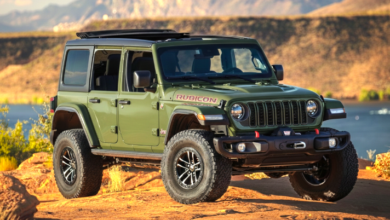
Family trips in Dubai are wonderfully easy to plan—until you realize that heat, highway driving, child seats, strollers, shopping bags, and airport luggage all compete for the same limited space. The right vehicle choice can make the difference between a calm holiday and a daily struggle with cramped legs, foggy windows, and overloaded trunks. If you’re leaning toward a premium, family-friendly SUV that balances space and refinement, you can explore Porsche Cayenne Rental Dubai early in your planning so you’re not scrambling for availability later.
Below is a practical, in-depth guide to Family Travel in Dubai: Picking a Vehicle That Fits Luggage, Comfort, and Safety Needs, with clear decision steps and real-world details that matter on Dubai roads.
Family Travel in Dubai: Picking a Vehicle for Luggage Space (Without Guesswork)
Dubai often means airport transfers, day trips, and shopping—and families typically carry more than they expect (especially with kids). The key is to stop thinking in “number of bags” and start thinking in volume + shape + access. A stroller might “count” as one item, but it can block half the trunk opening; a cooler bag may leak if it tips; and a set of beach toys can consume awkward space that suitcases can’t use.




Do the luggage math for family travel in Dubai (suitcases, strollers, and “extras”)
A simple way to estimate trunk needs is to translate your packing list into common volumes:
- Carry-on (22″): roughly 40–45 liters
- Medium suitcase (24–26″): roughly 65–85 liters
- Large suitcase (28–30″): roughly 90–120 liters
- Compact travel stroller: often “small” but bulky in shape; many take the footprint of a medium suitcase
- Car seat (if you bring your own): can be as space-hungry as a large suitcase when not installed
Quick rule: for a typical family of 4 with a stroller, plan for the equivalent of 3–5 medium suitcases worth of usable space after accounting for odd shapes. If you also plan a desert outing, add room for water, snacks, and possibly a small cooler—Dubai heat makes hydration non-negotiable.
Third-row seating vs trunk space: the trade-off families feel immediately
Many families book a 7-seater and assume it solves everything. The hidden reality is that when a third row is up, the remaining cargo area in many SUVs becomes shallow and tall, better for a couple of backpacks than multiple suitcases. If you truly need seven seats and airport luggage, you either need:
- a larger 7–8 seater with meaningful luggage room behind the third row, or
- to accept that some bags go behind second-row feet or on laps (not recommended), or
- to use a configuration where the third row stays folded most of the time
Space spectrum (text-only “chart”) More luggage room ⟵ 5-seat SUV — large 7-seat SUV (3rd row down) — 7-seat SUV (3rd row up) ⟶ Less luggage room
Family Travel in Dubai: Picking a Vehicle for Comfort in Heat, Traffic, and Long Drives
Dubai comfort isn’t just “soft seats.” It’s how well the cabin handles 45°C afternoons, how smoothly it absorbs road expansion joints on highways, and whether everyone in the back can stay cool without constant complaints. Comfort is also time saved: easy entry for grandparents, quick buckling for kids, and stress-free parking at malls.
See also: Redefining Luxury Travel for the Modern Passenger
Cabin cooling matters more than horsepower
For family travel in Dubai, the most valuable “performance feature” is often air-conditioning design. Look for:
- Rear AC vents (and ideally rear climate controls) so back-seat passengers aren’t dependent on front airflow
- Strong solar protection: tinted glass, UV filtering, and optional sunshades
- Fast cabin cooldown: some vehicles cool quicker because of vent placement and compressor tuning
- Comfortable second-row seating: not just width, but recline angle and leg support for naps
A practical comfort tip: choose a vehicle with multiple USB-C/USB ports so tablets and phones don’t rotate through one charger (the fastest way to start a family argument).
Ride quality, noise, and motion sickness: the “quiet” factors
Dubai roads are generally excellent, but families still feel discomfort from:
- stiff suspensions (more bounce and head toss for kids)
- loud tire noise at highway speed (fatiguing on long drives)
- stop-and-go traffic around popular areas at peak times
If anyone in the family is prone to motion sickness, prioritize a vehicle known for stable, smooth low-speed behavior, and keep the cabin temperature cool—heat amplifies nausea.
Family Travel in Dubai: Picking a Vehicle That Meets Safety Needs (Car Seats, Tech, and Road Reality)
Safety in Dubai is about aligning three things: UAE rules, correct child-seat fit, and modern driver-assistance features that reduce fatigue on wide multi-lane roads.
Child-seat rules and practical setup (what families must plan)
As per UAE traffic regulations, children under 4 must be secured in an appropriate child seat, and children typically should not ride in the front seat if they are under 10 years old or under 145 cm. Beyond legality, the daily reality is that correct installation is what protects your child.
When choosing a family vehicle, look for:
- ISOFIX/LATCH anchors (faster, more consistent installs than seatbelt-only)
- Top tether points (important for forward-facing seats)
- Wide-opening rear doors for easier loading
- Ability to place two seats side-by-side if needed (some cabins are surprisingly narrow)
A useful reminder many safety educators repeat is: “The safest seat is the one that’s used correctly on every trip.” That means picking a vehicle where installing and buckling is easy enough to do every single time without shortcuts.
Active safety features that help in Dubai driving conditions
Dubai driving includes fast highways, frequent lane changes, and dense parking areas. These safety technologies are especially helpful for families:
- Automatic Emergency Braking (AEB): reduces severity of front-end collisions
- Blind-spot monitoring: valuable on multi-lane roads
- Lane-keep assistance: helps prevent drift when tired
- Adaptive cruise control: reduces fatigue on long stretches
- 360° camera + parking sensors: prevents low-speed bumps (common in tight mall parking)
Fact worth knowing: Many traffic incidents happen at low speed during parking or stop-and-go driving. A good camera system and sensors aren’t “luxury”—they’re stress reducers that also protect kids walking near the vehicle.
Family Travel in Dubai: Picking the Right Vehicle Type for Your Trip
Choosing the “best” family car in Dubai depends on your exact passenger count, luggage load, and driving plan. Here’s how different types typically perform for family travel.
5-seat SUV: the most balanced option for most families
A 5-seat SUV is often ideal for a family of 3–5 with normal luggage because it usually offers:
- Better trunk space than a 7-seater with the third row up
- Easier car-seat installation and better second-row comfort
- More stable ride than smaller crossovers (varies by model)
Best for: families who want comfort, strong AC, and luggage room without needing seven seats daily.
7-seat SUV: great for people, tricky for luggage
A 7-seater makes sense if you consistently carry more passengers—grandparents, cousins, or a nanny. Just remember:
- With third row up, luggage space may become limited
- Third-row seating is often best for children, not tall adults
- Access to the third row can be awkward with child seats installed in the second row
Best for: larger families doing mostly city trips with lighter luggage, or when the third row stays folded unless needed.
Premium/luxury SUV: comfort and safety features can be a real family upgrade
Luxury SUVs often provide family-friendly advantages that show up on day one: quieter cabins, better seat support, stronger multi-zone AC, and more complete driver-assistance packages. For example, a premium SUV can feel dramatically less tiring on long highway drives, which matters when kids are in the back and the day is packed.
Best for: families prioritizing comfort + safety tech, especially for airport runs and longer days across Dubai.
Family Travel in Dubai: Picking a Vehicle for Stress-Free Renting and Daily Use
Even the right vehicle can become the wrong experience if you skip a few practical checks.
Pickup checklist for family safety and comfort
Before you leave the lot, confirm:
- Tire condition and pressure (heat + highways demand good tires)
- Working AC (test front and rear vents)
- All seatbelts lock and retract smoothly
- ISOFIX points are accessible (some are hidden behind seat fabric)
- Spare tire / inflator kit is present
- Parking sensors/camera function properly
If using child seats, install them immediately and test for a tight fit. A seat that slides or tilts excessively will be frustrating every day—and unsafe.
Dubai driving details families appreciate knowing
Keep these practical realities in mind:
- Speed limits are enforced with cameras, and limits can change between roads.
- Salik toll gates exist on key routes; ask how tolls are billed.
- Mall parking can be tight in peak hours—360° cameras help.
- Plan midday breaks: Dubai heat makes “walk around outside” less pleasant, especially for young kids.
Conclusion: The right family vehicle in Dubai is the one that fits your real day, not your ideal plan
For Family Travel in Dubai: Picking a Vehicle That Fits Luggage, Comfort, and Safety Needs, the smartest approach is to choose based on your actual passenger count, your true luggage volume, and your need for child-seat-friendly safety. Prioritize usable cargo space, rear-seat comfort and cooling, and modern safety tech that lowers stress on fast roads and in tight parking.
If you build your choice around those three pillars—luggage, comfort, and safety—your Dubai trip becomes simpler: fewer compromises, calmer drives, and more energy for what you came to do as a family.